

Trusted Roofing Solutions for Kansas City Homes
Finding a trusted local residential roofing contractor in Kansas City starts with knowing the region’s common roof risks and the services that prevent them. This guide walks you through how local roofers diagnose problems, weigh material choices like asphalt shingles versus metal, handle storm damage and insurance, and lay out clear cost and financing options. With hail, strong winds, and freeze–thaw cycles shortening roofs across the Metro Area, we focus on practical evaluation criteria, typical service workflows, and material recommendations tailored to Kansas City homes. You’ll learn what credentials and warranties matter, how contractors decide between repair and replacement, and step-by-step guidance for post-storm inspections and claims. The article covers six core areas: choosing trustworthy contractors, the range of residential roofing services, material choices for the local climate, storm-damage workflows and insurance help, cost and financing expectations, and neighborhood-specific considerations. Throughout, useful search phrases like residential roofing Kansas City, roof repair Kansas City, and hail damage roof repair Kansas City are included to help you find reputable local support.
Why Choose Trusted Residential Roofing Contractors in Kansas City?
Working with a trusted contractor lowers risk, delivers consistent workmanship, and protects your home investment. Good contractors combine verified certifications, local knowledge, and clear warranties so you understand how materials and installation work together to prevent leaks, extend roof life, and improve energy performance. That means fewer emergency calls and better resale value. Contractors who document their work and keep communication clear reduce costly misunderstandings. Knowing what to look for helps you spot solid providers versus those who underbid and cut corners. A local roofer also understands permits, neighborhood aesthetics, and HOA rules that influence materials and finishes across Kansas City communities. Below we outline the credentials and local know-how that signal a dependable contractor.
What Experience and Certifications Make a Roofing Contractor Reliable?
Verified credentials offer measurable signs of quality: manufacturer certifications like GAF or Owens Corning show installer training tied to extended warranties. Third-party validation—Better Business Bureau ratings and documented customer reviews—helps confirm work is completed as promised and warranty issues are handled. Proper licensing and insurance protect homeowners by ensuring liability and worker coverage during projects. When you compare bids, look for explicit warranty language, manufacturer-backed guarantees, and written maintenance recommendations so you understand long-term protection. Spotting these credentials up front leads directly into how local climate knowledge affects material and installation choices.
How Do Local Contractors Understand Kansas City’s Unique Roofing Needs?
Local roofers tailor installs to Kansas City’s pattern of hail, high winds, and temperature swings by recommending impact-resistant products, durable flashing details, and ventilation strategies that limit freeze–thaw problems. They account for neighborhood risks—large trees, ice dams on low-slope roofs, and local microclimates—when advising on shingle class, upgraded underlayment, or metal panels. Modern inspection tools, like drone scans, help find subtle issues—granule loss or lifted flashing—before leaks start, enabling preventative repairs. Familiarity with local building codes and permit timelines also reduces delays, limiting weather exposure and keeping budgets on track. That local expertise flows into the services contractors offer and how those services meet homeowner goals.
To orient homeowners locally: Ryan Construction Systems Inc. serves the Kansas City Metro Area with residential roofing services—new roofs, storm and hail repair, maintenance, and replacements—offering asphalt shingles, metal roofing, flat-roof systems, and hail-damage restoration. The company carries manufacturer credentials (GAF Certified Contractor and Owens Corning Preferred Contractor), an A+ BBB rating, and provides free, no-obligation quotes—useful trust indicators when comparing bids. Those business signals support decision-making; the next section explains the services so you can evaluate your needs independently.
Local Kansas City Residential Roofing Services

Local residential roofers provide a range of services from inspections and targeted repairs to full replacements and new installations, each sized to the roof’s condition and homeowner priorities. Inspections find leak sources, flashing or ventilation failures; repairs cover shingle patching, underlayment or flashing replacement; full replacements address widespread wear, storm damage, or a desired performance or aesthetic upgrade. Preventive maintenance and scheduled inspections extend roof life and catch small problems before they become emergencies. New installations incorporate modern underlayments, ventilation, and manufacturer-backed warranty programs. Understanding these service types helps homeowners choose between repair and replacement based on safety, longevity, and budget. Below are common service categories and what to expect from each.
- Core services: inspections, targeted repairs, and full roof replacement matched to the home’s condition.
- Preventive maintenance plans that summarize roof condition, recommend timing for work, and help prioritize expenses.
- Specialty services—hail damage repair and flat-roof maintenance—target frequent failure points in Kansas City climates.
With that overview in place, the next section explains how repair work addresses typical homeowner concerns and when replacement is the wiser choice.
How Does Roof Repair Kansas City Address Common Homeowner Concerns?
Roof repair usually begins with a structured inspection to locate active leaks, evaluate flashing and vent seals, and check shingle condition after storms. Technicians document findings with photos and notes, recommend temporary protections (tarps) when immediate exposure exists, then prioritize repairs that fix the source and prevent recurrence. Typical repairs include replacing damaged shingles, resealing or replacing flashing, and improving localized drainage or ventilation to reduce future ice or moisture problems. Scheduling depends on material availability and weather—many repairs happen within days to a couple of weeks—so knowing expected timelines helps homeowners avoid interim water damage. Clear documentation also becomes part of your home records for maintenance and insurance purposes.
When Is Roof Replacement Necessary for Kansas City Homes?
Full replacement is generally recommended when shingle failure is widespread, leaks recur at multiple points, or the roof has reached the end of its expected life. Indicators include frequent patching, visible decking rot or sagging, extensive hail or wind damage across large areas, or a homeowner choosing an aesthetic or performance upgrade, such as moving from basic 3-tab shingles to architectural shingles or metal panels. Replacing a roof lets you modernize underlayment, ventilation, and flashing—reducing long-term maintenance and often qualifying for better manufacturer warranties. A clear cost‑benefit look at future maintenance, energy impacts, and resale value helps decide between ongoing repairs and replacement.
Which Roofing Materials Are Best for Kansas City Residential Roofs?
Material choice in Kansas City balances cost, durability, storm resistance, and neighborhood character, while accounting for hail and wind exposure. Asphalt shingles are common for value and availability; metal roofing provides long life and strong wind/hail resistance for exposed properties. Low-slope and flat systems need specialized membranes and regular upkeep to avoid ponding and leaks. Material choice depends on desired lifespan, budget, and style fit with the neighborhood—your contractor should explain how each option performs under local conditions. The table below compares common choices with practical guidance for Kansas City homes.
Different materials trade off cost, lifespan, and storm resilience in ways that affect long-term homeowner value.
| Material | Typical Lifespan | Pros | Cons | Best Uses in KC Climate |
|---|---|---|---|---|
| Asphalt Shingles | 20–30 years | Cost-effective, many style choices, straightforward repairs | Can lose granules and suffer hail damage | Most single-family homes in areas with moderate exposure |
| Metal Panels | 40–70 years | Very durable, excellent wind/hail resistance, reflective finishes | Higher upfront cost, specialized installation required | Homes in high-exposure locations or owners planning long-term investment |
| Modified Bitumen / Flat Membrane | 15–30 years | Built for low-slope drainage, works well over HVAC areas | Requires attention to ponding and seam maintenance | Garages, porches, and low-slope main roofs with proper drainage |
The table shows which materials align with common homeowner priorities in Kansas City; the next sections dive into asphalt and metal options with practical scenarios and care tips.
What Are the Benefits of Asphalt Shingles for Kansas City Homes?
Asphalt shingles strike a balance between affordability, availability, and broad warranty choices—making them a solid option for many Kansas City homeowners. Architectural and designer lines offer better wind resistance and longer warranties than basic 3-tab shingles, and when paired with upgraded underlayment and correct ventilation they deliver good long-term value. Asphalt is relatively easy to repair in small areas, lowering short-term costs after localized storm damage. Proper attic ventilation and moisture control are important for meeting expected lifespans in Kansas City’s seasonal climate, and impact-resistant shingle options can reduce hail-related damage risk.
How Does Metal Roofing Compare for Durability and Style in Kansas City?
Metal roofing stands out for longevity, strong resistance to wind uplift and hail, and potential energy savings from reflective finishes that reduce attic heat gain. Although the up-front cost is higher than asphalt, metal roofs can outlast several asphalt cycles and usually require less maintenance—making them attractive for homeowners focused on lifetime value. Metal panels come in standing-seam, corrugated, or patterned profiles, so they suit both traditional and modern neighborhood looks. For steep roofs or homes exposed to frequent storms, metal’s longevity and resilience often justify the initial investment.
How Do Local Roofers Handle Storm Damage and Insurance Claims in Kansas City?
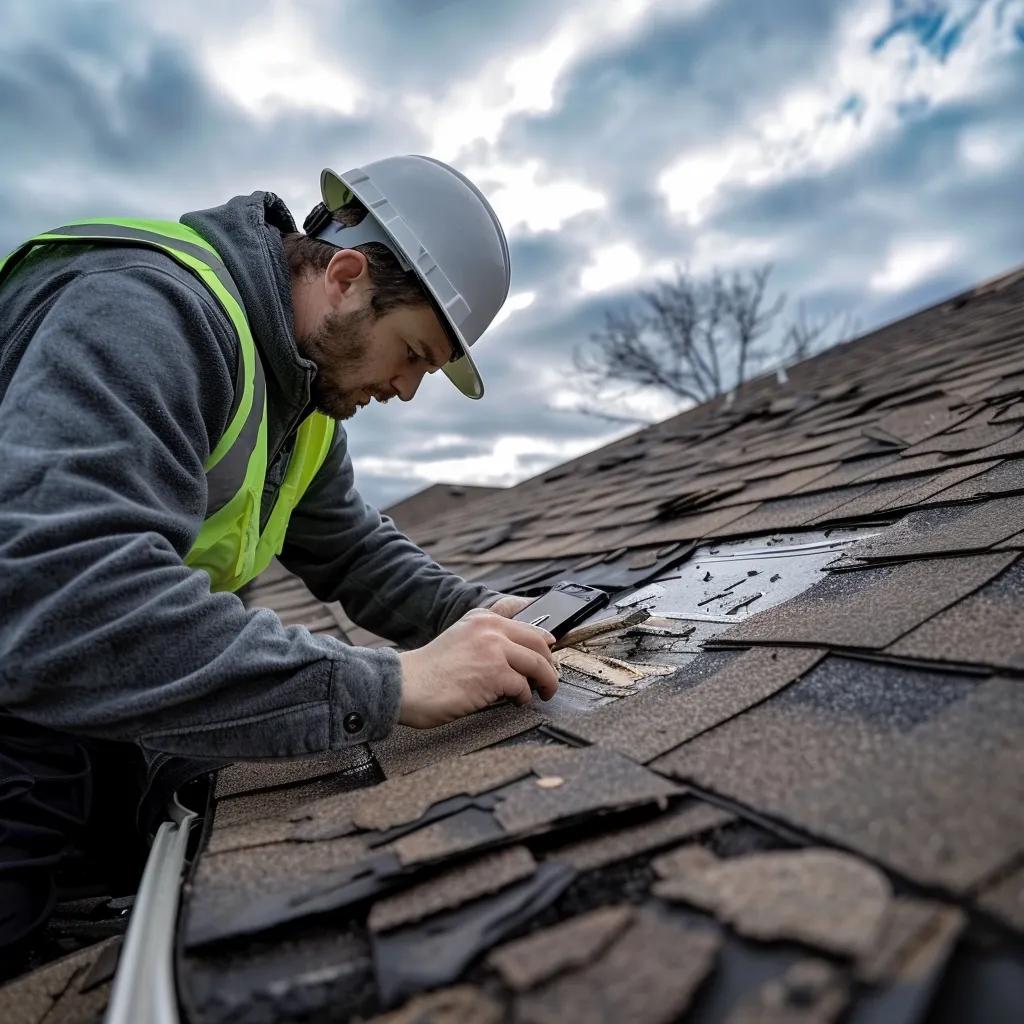
After a storm, fast, documented inspection and clear communication are key. Contractors assess safety, photograph damage, and apply temporary protections to stop active leaks. Effective storm workflows emphasize evidence collection—date-stamped photos, signed inspection reports, and material samples—to support homeowner insurance claims and reduce disputes with adjusters. Roofers experienced with claims prepare detailed estimates and scopes that align with insurer expectations and advise homeowners on common denial reasons to avoid. The table below shows typical steps, roles, and the documentation you’ll need during a storm-claim process.
The following table outlines the standard workflow from inspection through claim submission and repair, clarifying who does what and what evidence is usually required.
| Step | Action | Who Does It | Documents/Proof Needed |
|---|---|---|---|
| 1. Safety assessment & temporary protection | Secure roof, apply tarps if needed | Contractor / Homeowner | Photos of damage, temporary tarp receipt |
| 2. Detailed inspection & documentation | Full condition report, drone imagery when applicable | Contractor | Inspection report, high-res photos, drone scans |
| 3. Estimate & scope preparation | Itemized repair/replacement estimate | Contractor | Written estimate with material specs |
| 4. File claim & meet adjuster | Submit claim, coordinate on-site with adjuster | Homeowner with contractor assistance | Inspection report, estimate, prior maintenance records |
| 5. Repair scheduling & execution | Procure materials, perform repairs, final inspection | Contractor | Final invoice, completion photos, warranty paperwork |
This workflow shows why documentation and clear roles matter; the sections that follow break each phase down into practical steps for homeowners.
What Is the Process for Post-Storm Roof Inspection and Repair?
Post-storm response starts with a safety check to identify active leaks and unstable areas; temporary tarping or boarding prevents further water intrusion while a full inspection is scheduled. Inspectors document hail dents, shingle loss, and flashing failures with date-stamped photos and—when useful—drone imagery showing impact patterns across the roof. Contractors then create an itemized estimate that ties each repair to the photos and recommended materials, so you can present a complete package to your insurer. After approvals, repairs are scheduled with clear timelines; a final inspection and warranty paperwork complete the project for your records.
How Can Homeowners Navigate Insurance Claims for Roof Damage?
To improve claim outcomes, collect pre‑ and post‑storm photos, keep maintenance records, and obtain a documented contractor estimate before meeting an adjuster. When the adjuster visits, reference the contractor’s inspection report and photos so everyone is reviewing the same damage patterns—contractors often accompany homeowners to explain technical scope items. Common denials arise from insufficient evidence, discrepancies between estimates and adjuster findings, or disputes about preexisting conditions, so timely, clear documentation reduces those risks. If disagreements occur, request a secondary review or provide supplemental inspection materials from your contractor to support the claim.
Ryan Construction Systems Inc. offers inspection and claims assistance to Kansas City homeowners—delivering documented inspections, photo reports, and scope estimates designed to simplify interactions with insurance adjusters and speed repairs. This service keeps homeowner responsibilities clear while the contractor handles technical documentation and repair planning. With that process in mind, homeowners can better plan for costs and financing tied to repairs or replacements.
What Are the Typical Costs and Financing Options for Residential Roofing in Kansas City?
Roofing costs in Kansas City vary by material, roof complexity, labor, and whether work is storm-driven or planned. Clear expectations help you budget and compare bids. Typical cost items include materials, underlayment, flashing, ventilation improvements, disposal, and permits; complex geometry and steep pitches increase labor. Financing options include contractor payment plans, personal loans, HELOCs, or credit cards—each with tradeoffs in interest, term, and speed. The table below gives representative cost ranges and typical timelines to help set realistic expectations.
This table summarizes local cost ranges, common financing routes, and expected timelines so you can compare scenarios and plan your budget.
| Service Type | Typical Cost Range (KC) | Financing Options | Typical Timeline |
|---|---|---|---|
| Small repairs (patching, flashing) | $300–$1,500 | Pay-in-full, short contractor payment plans | 1–7 days to schedule, 1–3 days to complete |
| Moderate repairs (partial re-roof) | $1,500–$6,000 | Contractor financing, personal loan | 1–2 weeks to schedule, 2–5 days to complete |
| Full roof replacement | $5,000–$25,000+ | HELOC, personal loan, contractor financing | 2–6 weeks to schedule, 2–7 days to complete |
Use this framework to see how scope and materials drive budgets; the next sections cover common cost drivers and how to choose financing.
How Much Does Roof Repair and Replacement Cost in Kansas City?
Key cost drivers include roof square footage, pitch and complexity, tear-off versus overlay, material selection (basic asphalt, premium architectural shingles, or metal), and any deck or structural repairs found during removal. Small, localized repairs typically run in the low hundreds to a few thousand dollars; full replacements vary widely by size and materials, so getting multiple detailed bids is important. Ask each contractor for a written estimate that lists materials, underlayment, ventilation work, and disposal so you can compare offers fairly. Clear estimates also help when negotiating with insurers by matching contractor scope to adjuster findings.
What Financing Solutions Are Available for Kansas City Homeowners?
Choose financing based on your cost of capital, term preference, and how quickly you need funds. HELOCs often provide lower rates but require equity and can take longer to arrange. Contractor financing may be convenient but varies by provider and rate. Personal loans or home improvement loans offer predictable monthly payments without tapping home equity. Some contractors provide phased payment schedules or short-term plans for smaller repairs, and lenders sometimes offer project-specific products for major replacements. Compare total interest, monthly payments, and repayment flexibility to pick the best option for your situation.
Which Kansas City Neighborhoods Do Trusted Local Roofing Contractors Serve?
Local contractors serve a wide area across the Kansas City Metro, adjusting materials and methods to suit housing stock, local ordinances, and environmental exposure. Service areas include inner-ring neighborhoods, suburbs, and nearby towns where older roofs often need sympathetic repairs or careful replacements to match historic styles. Contractors adapt shingle colors, profiles, and attachment methods to meet HOA rules or historic-district guidelines while ensuring modern performance. The next section highlights Parkville and nearby-community considerations and how contractors tailor services to local needs.
- Contractors tweak material recommendations and installation details to match neighborhood style and regulatory requirements.
- Parkville’s older homes and heavy tree cover influence recommended shingle types and maintenance frequency.
- Contractors also handle permits and inspections per local municipal rules to avoid project delays.
Those service-area points lead into the Parkville-specific guidance below.
What Residential Roofing Services Are Available in Parkville and Surrounding Areas?
Parkville and nearby neighborhoods often need care for tree-related debris, moss, and sensitive replacements that preserve curb appeal on older homes. Contractors offer cleaning, selective shingle patching, and full replacement with color and profile guidance to align with neighborhood character. Common local services include hail and wind repair, preventive maintenance to clear gutters and trim overhangs, and recommendations for impact-resistant shingles where debris or hail is frequent. Familiarity with Parkville permit timelines and inspection expectations helps reduce downtime and ensures compliance. Ask for a localized estimate that considers these neighborhood factors when planning work.
How Do Local Contractors Customize Services for Different Kansas City Communities?
Contractors tailor scope, material choices, and permitting workflows depending on whether a house is in an HOA, a historic district, or a neighborhood with specific architectural standards. This customization keeps work compatible with local rules while delivering modern performance. In historic areas, contractors prioritize color, texture, and attachment methods that preserve visual character; in newer subdivisions, the emphasis may be on efficiency and manufacturer-backed warranties. Knowing local permitting and inspection processes reduces scheduling friction and helps projects finish on time. These neighborhood adjustments lead to smoother outcomes and fewer surprises for homeowners.
Ryan Construction Systems Inc. provides localized service throughout the Kansas City Metro Area, including Parkville, and offers free, no-obligation quotes so homeowners can compare materials, timelines, and financing. Their local focus aims to simplify permit coordination and material selection for area homes.
Ready for an inspection or estimate? Contact Ryan Construction Systems Inc. at (816) 741-1941, email [email protected], or visit the Parkville office at 205 West 6th Street, Parkville, MO 64152. A thoughtful conversation with a licensed local contractor will help you weigh repair versus replacement, compare material lifespans and warranty options, and plan financing to fit your schedule. If you suspect storm damage or your roof is nearing the end of its service life, a documented inspection is the next practical step.
Frequently Asked Questions
What should I look for when choosing a roofing contractor in Kansas City?
Focus on experience, verified certifications, and customer feedback. Look for manufacturer certifications like GAF or Owens Corning, which show proper installation training. Check Better Business Bureau ratings and read reviews to confirm reliability. Verify licensing and insurance to protect yourself during the project. A trustworthy contractor provides clear, written estimates and warranties so you know what’s covered.
How can I prepare for a roof inspection after a storm?
Gather any prior inspection reports and maintenance records, and take photos of visible damage. Be ready to describe leaks or problem areas you’ve noticed. Make the property accessible for the contractor to perform a thorough inspection—this helps them assess damage quickly and recommend next steps.
What are the signs that my roof needs immediate repair?
Immediate repair may be needed if you see active leaks, water stains on ceilings or walls, missing or badly damaged shingles, or sagging roof areas. Finding shingle granules in your gutters or spotting mold or mildew in the attic are also warning signs. If you see any of these, contact a roofing professional right away to prevent more costly damage.
How do I know if my roof can be repaired instead of replaced?
Whether a repair will do depends on the roof’s overall condition and damage extent. Localized issues—like a few missing shingles or small leaks—can often be repaired. Widespread problems, recurrent leaks, extensive water damage, or an aged roof usually point to replacement. A professional inspection will give you a clear recommendation based on age, material, and condition.
What financing options are available for roof repairs or replacements?
Homeowners can use contractor payment plans, personal loans, HELOCs, or credit cards depending on cost, urgency, and available equity. HELOCs often have lower rates but require equity and take longer to arrange. Personal loans offer predictable payments without using home equity. Compare rates, terms, and total interest to choose the best fit for your budget.
How can I maintain my roof to extend its lifespan?
Regular maintenance extends roof life. Schedule annual inspections, keep gutters and downspouts clear, and trim overhanging branches to reduce debris and damage. Ensure proper attic ventilation to avoid moisture buildup and ice dams in winter. Proactive upkeep prevents small issues from becoming major repairs.
Conclusion
Choosing a trusted local roofing contractor in Kansas City helps protect your home from the area’s common threats—hail, wind, and seasonal temperature swings. By understanding services, materials, and financing options, you can make informed decisions that boost your property’s performance and value. Working with a qualified contractor simplifies repairs or replacements and gives you documented inspections and transparent communication for peace of mind. Take the next step: contact Ryan Construction Systems Inc. for a free, no‑obligation quote today.