


Comprehensive Roofing and Siding Warranties in Kansas City
Understanding Our Roofing and Siding Warranties: Comprehensive Coverage and Peace of Mind for Kansas City Homeowners
Kansas City homeowners need clear guidance on protecting roofing and siding. This article explains the warranty types, outlines coverage and claims procedures, compares manufacturer and contractor warranties, and describes the support available from Ryan Construction Systems, Inc. so you can protect your investment.
Knowing warranty details empowers better decisions. We will review warranty categories and highlight how Ryan Construction Systems supplements coverage with services tailored to homeowner needs. Key sections cover the claims process and routine maintenance to preserve warranty protection.
What Types of Roofing Warranties Are Available in Kansas City?
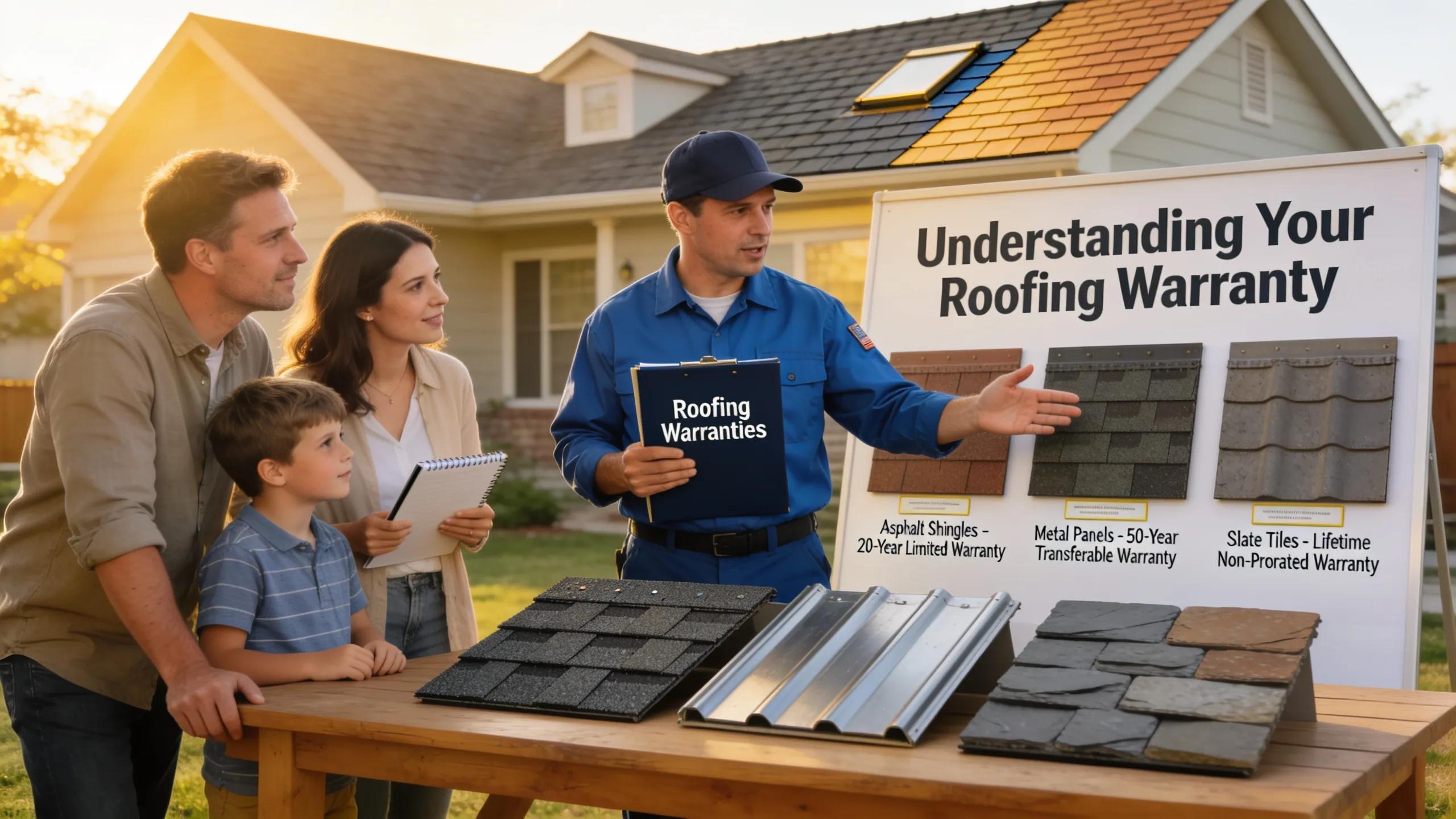
Kansas City homeowners commonly encounter three warranty types: material warranties, workmanship warranties, and extended warranties. Each offers distinct protections and limitations that should inform your selection.
Types of Warranties
Warranties can generally be divided into three main categories:
- Material Warranties: Issued by manufacturers, these warranties cover defects in roofing materials used in your installation. They are crucial as they provide assurance against material faults.
- Workmanship Warranties: Offered by contractors, these warranties guarantee the quality of the installation work. They protect against installation errors that could lead to leaks or other problems.
- Extended Warranties: These provide an additional layer of protection beyond the typical coverage period. They are designed for homeowners seeking extensive security against long-term wear and deterioration.
Ryan Construction Systems, Inc. provides free quotes to clarify which warranty best fits your project and circumstances.
Coverage Options
Carefully review coverage elements. Typical warranty components include defect coverage, labor coverage, and explicit exclusions that define what is not covered.
- Defect Coverage: Protection against material defects that could affect overall performance.
- Labor Coverage: Assurance that the contractor will address any issues arising from the workmanship.
- Exclusions: A list of what isn’t covered, such as damage caused by severe weather, lack of maintenance, or improper use of materials.
Coverage terms vary among manufacturers and contractors; review warranty agreements closely before finalising your choice.
Duration
The length of warranties depends on the warranty type and the quality of materials. Material warranties may range from roughly 15 to 50 years, workmanship warranties commonly run 1 to 10 years, and extended warranties add additional years of coverage.
- Material Warranties: These may last from 15 to 50 years, depending on the manufacturer’s policies.
- Workmanship Warranties: Generally, these warranties last between 1 to 10 years, reflecting the commitment to installation quality.
- Extended Warranties: Available for additional time, these warranties can secure peace of mind for homeowners who want prolonged protection.
Evaluate warranty duration as part of the long-term value assessment for your roofing and siding project.
How Do Manufacturer Warranties Protect Your Roof Materials?
Manufacturer warranties protect roofing materials by specifying the conditions under which repairs or replacements apply and by defining obligations for material performance.
Coverage Limits
Manufacturer warranty limits identify covered events and common exclusions. Typical limits address replacement within a defined period and exclude damage from natural disasters or failure to follow maintenance guidelines.
- Life Expectancy: Warranties may cover replacements or repairs only if the material fails within a specified period.
- Exclusions: Many warranties exclude damages resulting from natural disasters or failure to maintain the roofing system according to manufacturer’s guidelines.
Understanding these limits sets realistic expectations for potential claims and outcomes.
Claim Processes
Warranty claims can be procedural. Typical steps include gathering documentation, contacting the manufacturer or installer, and arranging an inspection to validate the claim.
- Documentation: Gathering necessary documents such as proof of purchase, warranty documents, and evidence of the defect.
- Contacting the Manufacturer: Initiating the claim process by reaching out to the manufacturer or the contractor who installed the roof for guidance.
- Assessment: Often, an inspection is required to validate the claim against the warranty terms.
Familiarity with the claims steps streamlines the process for obtaining repairs or replacements when coverage applies.
Examples of Material Protection
Concrete examples illustrate manufacturer protections: defective shingles that show premature wear and material failures such as curling or blistering under normal conditions may qualify for coverage when they meet warranty criteria.
- Defective Shingles: If shingles exhibit premature wear due to manufacturing faults, a warranty could cover replacement.
- Material Failures: Failures such as curling or blistering under normal conditions may also be covered, provided they align with warranty policies.
Review warranty provisions proactively to maximise the protections available to your property.
What Is Included in Contractor Workmanship Guarantees?
Workmanship guarantees focus on installation quality and the contractor’s responsibility to correct installation-related defects.
Coverage
Workmanship warranties typically cover defects arising from installation. They commonly include repair coverage at no additional cost and specify a defined duration appropriate to the scope of work.
- Repair Coverage: Assurance that poor installation will be corrected at no additional cost to the homeowner.
- Duration: These warranties often last for a specific period, typically aligning closely with what is reasonable for the scope of work performed.
Limitations
Guarantees include limitations and conditions. Exclusions such as damage from inadequate maintenance or extreme weather can void coverage, and some guarantees require regular inspections or prompt reporting to remain valid.
- Exclusions: Damage from improper maintenance or natural disasters often voids guarantees.
- Conditions of Coverage: Certain guarantees may require regular inspections or prompt reporting of issues to remain valid.
Knowing these limitations helps protect your position and reduce the likelihood of disputes.
Examples of Typical Workmanship Guarantees
Example scenarios include roof leaks caused by incorrect shingle placement or uneven installation that requires remediation under warranty terms.
- Roof Leaks: If leaks develop due to incorrect shingle placement, the contractor would be responsible for correcting these issues within warranty terms.
- Uneven Installation: If roofing materials do not adhere appropriately because of workmanship error, coverage would assist in remediation.
Clear comprehension of workmanship terms helps homeowners ensure timely remediation and protect their interests.
What Should Homeowners Know About Siding Installation Warranty Coverage?
Siding warranties share core principles with roofing warranties but have distinct terms and conditions that homeowners should review before installation.
Are Siding Warranties Transferable to New Homeowners?
Many siding warranties allow transfer to new owners, which can preserve coverage and add resale value. Verify transfer provisions with the manufacturer and contractor, as policies vary.
How Do Manufacturer and Contractor Siding Warranties Differ?
Manufacturer siding warranties generally address material defects and may offer longer terms, while contractor warranties emphasise installation quality and may include stricter conditions or shorter durations.
- Manufacturer Warranties: Typically cover defects in materials and may extend for longer terms than contractor warranties.
- Contractor Warranties: Focus on the quality of the installation and may have a shorter duration or stricter limitations.
Understanding these differences enables informed choices about siding products and installation services.
How Long Do Roofing and Siding Warranties Typically Last in Kansas City?
Warranty length is a significant factor for Kansas City homeowners; longer terms typically provide greater assurance against defects and unexpected expenses.
What Factors Influence Warranty Periods and Coverage Limits?
Warranty periods and limits are influenced by material type, installation methods, and the warranties offered by manufacturers and contractors. Higher-quality materials generally carry longer coverage periods.
Are Extended Roofing and Siding Warranties Worth Considering?
Extended warranties can be worth evaluating if you prioritise additional protection against future repair or replacement costs. Compare the warranty cost to estimated repair expenses to determine value.
What Is the Warranty Claims Process for Roofs and Siding in Kansas City?
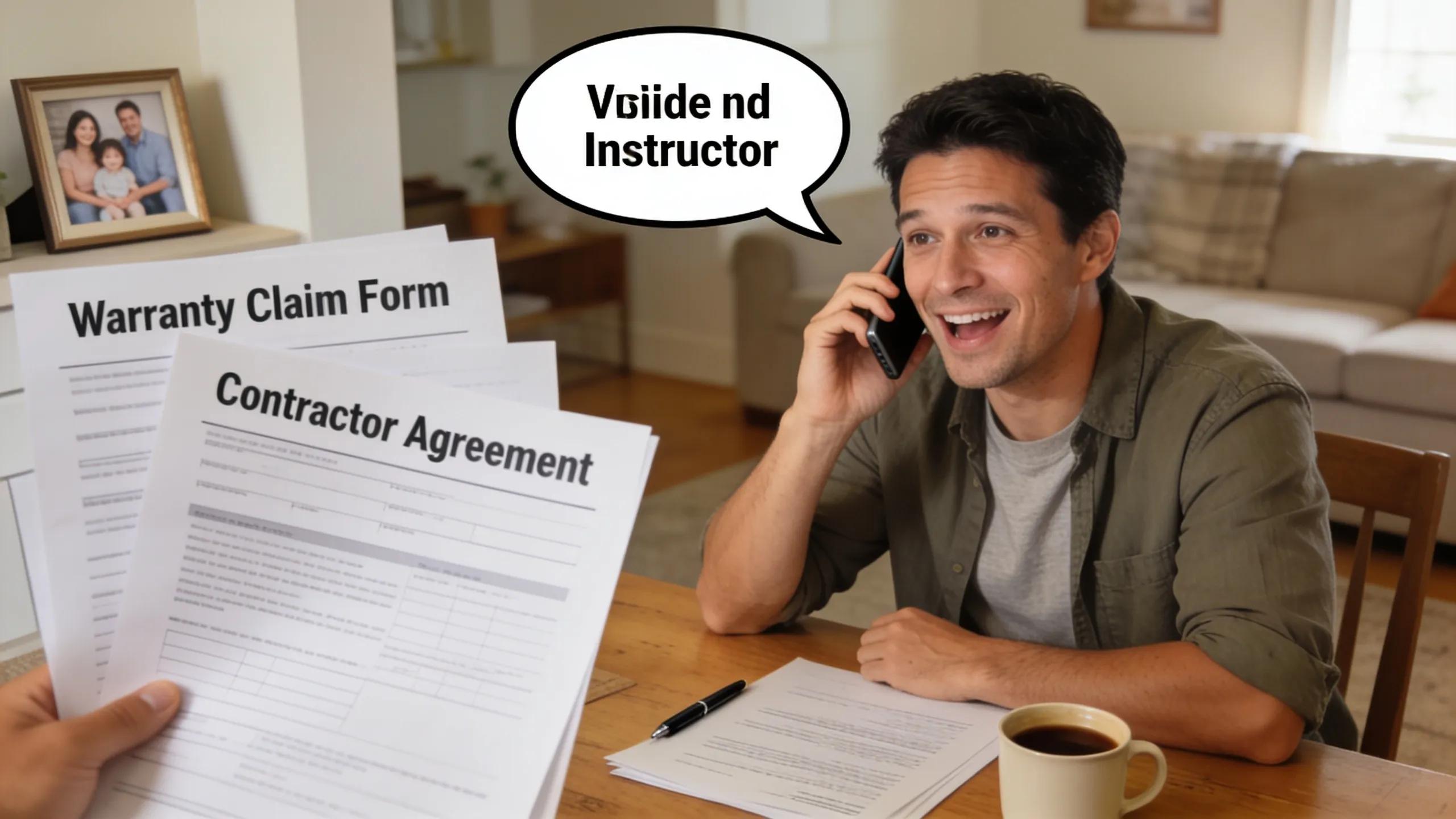
A defined claims process reduces delays and improves outcomes when filing for repairs or replacements.
What Steps Should You Follow to File a Warranty Claim?
The claims process typically involves the following steps:
- Document Collection: Prepare details regarding your roofing or siding material along with any evidence of failure.
- Manufacturer Contact: Reach out for guidance and initiate the claim.
- Follow-up: Ensure correct procedures and requirements are met to facilitate a smooth claims process.
How Does Ryan Construction Systems Support Efficient Claims Handling?
Ryan Construction Systems guides homeowners through the claims process by providing resources, documentation advice, and support to resolve issues efficiently.
Why Choose Ryan Construction Systems for Warrantied Roofing and Siding Services?
Selecting the right contractor simplifies warranty management and reduces administrative burden when claims arise.
What Qualifications and Experience Ensure High-Quality Installations?
Ryan Construction Systems, Inc. specializes in roofing and siding and employs qualified professionals who understand local regulations and industry quality standards.
How Do Our Warranty Guarantees Provide Peace of Mind?
Ryan Construction Systems’ warranty offerings are structured to align with homeowner expectations and to prioritise long-term protection for installed systems.
What Are the Best Practices to Maintain Your Warranty Coverage?
Maintain warranty validity by following the manufacturer’s instructions and the contractor’s recommendations on a regular basis.
How Should You Care for Roof and Siding Materials to Avoid Warranty Voids?
- Routine Maintenance: Conduct regular inspections and repair damages promptly to avoid larger issues.
- Adhere to Guidelines: Follow manufacturer care instructions precisely to maintain coverage.
- Document Everything: Keep written records of all maintenance activities as proof for claims.
When Is Professional Inspection Recommended to Uphold Warranty Conditions?
Arrange professional inspections every few years to identify potential problems early and help preserve warranty status.
Frequently Asked Questions
Can I Customize My Roofing Warranty?
Manufacturers and contractors often provide customizable warranties. You can negotiate terms, add extended coverage, or request specific exclusions at installation to align warranty features with foreseeable risks.
What Happens If My Contractor Goes Out of Business?
If a contractor ceases operations, manufacturer warranties typically remain valid when warranty conditions were met. In such cases, direct contact with the manufacturer and complete documentation are critical to processing claims.
Are There Any Risks Associated with Choosing Extended Warranties?
Extended warranties increase protection but may involve higher upfront costs or exclusions. Review the terms carefully and assess whether the warranty cost justifies the likely future repair expenses.
How Do I Transfer My Warranty If I Sell My Home?
To transfer a warranty, notify the manufacturer and contractor and follow their transfer procedures. Some warranties transfer with ownership, while others require fees or specific paperwork—confirm transfer rules at purchase.
What Should I Do If My Warranty Claim Is Denied?
If a claim is denied, review the denial reasons and verify compliance with all warranty conditions. Collect additional evidence if required, seek clarification from the contractor or manufacturer, and consider appeals or legal counsel if the dispute persists.
How Can I Ensure My Warranty Remains Valid?
Ensure warranty validity by following manufacturer maintenance guidelines, performing regular inspections, addressing damage promptly, and keeping detailed records. Some warranties require proof of professional inspections to remain in force.
Conclusion
Understanding roofing and siding warranties enables Kansas City homeowners to make informed decisions that protect their property. Warranties provide coverage against material defects and installation errors, preserving the long-term value of your home. Contact Ryan Construction Systems, Inc. to review available warranty options and receive guidance from our team on the solution best suited to your needs.