

Signs Your Wood Roof Needs Replacement Now: How to Spot Wood‑Shake Damage and When to Act

A wood roof can look picture‑perfect from the street and still hide problems that threaten your attic, structure, and indoor air. This guide helps homeowners spot trouble early and decide whether repair or replacement makes the most sense. You’ll get clear visual cues, simple field checks, Kansas City weather considerations, and a step‑by‑step decision framework that separates short‑term fixes from replacement triggers. We define common failure modes for cedar shakes and wood shingles, explain why each sign matters, and offer practical next steps — inspection checklists, cost‑aware options, and comparison points for traditional wood versus synthetic and alternative materials. Start with the most common signs of wood roof damage and use the diagnostic lists and tables to prioritize action before you call a pro.
What Are the Most Common Signs of Wood Roof Damage?

Most failing wood roofs show visual or tactile changes first — signs of material breakdown or moisture intrusion that usually come before interior leaks. Look for rot, curling or cupping, cracked or missing shakes, moss or algae growth, and water stains. These problems often show up because ventilation, flashing, or underlayment have failed, and because repeated wet/dry cycles make shakes expand and contract. Knowing which signs need immediate attention helps you avoid structural rot and rising repair costs. The list below highlights the highest‑priority indicators to watch for on a quick walkaround.
Homeowners should watch for these high‑priority indicators of wood roof wear and tear:
- Rotting shakes or soft spots — wood that gives when you press it.
- Curling or cupping — lifted edges or centers that sink.
- Cracked, split, or missing shakes that reveal the roof deck.
- Moss, algae, or heavy organic growth holding moisture against the wood.
- Interior water stains or ceiling discoloration that point to active leaks.
- Excessive brittleness — shakes snapping instead of flexing, with lots of loose fragments.
Those six signs signal rising risk: some can be monitored or repaired locally, while others mean the roof is near the end of its service life and needs a professional evaluation. The table below translates each visible sign into what you’ll see in the field and the recommended next step so you can triage damage during a quick inspection.
Different visible signs require different urgency and follow‑up. Use the table to prioritize what to do next during a homeowner walkthrough.
| Sign | What to Look For | Urgency / Recommended Next Step |
|---|---|---|
| Rotting shingles | Discolored, spongy areas; fibers break when pressed | High — arrange a professional inspection and be ready for section replacement or a full roof evaluation |
| Curling / cupping | Edges lift; center becomes concave or warped | Medium‑High — track how widespread it is; widespread cupping usually points to replacement |
| Cracked / missing shakes | Visible splits, gaps, or exposed decking | High — temporary patching and an inspection are needed; consider quick replacement if common across the roof |
| Moss or algae growth | Thick green or black mats holding moisture against the wood | Medium — remove growth and inspect for underlying rot; repeat growth may indicate poor ventilation |
| Interior water stains | Ceiling discoloration, peeling paint, or damp spots below the roof | High — check the attic and roof penetrations; urgent leak repair is likely required |
| Brittleness / fragmentation | Shakes snap rather than bend; many loose fragments present | Medium‑High — suggests age and sun damage; include in your replacement decision |
Use this quick triage to assign urgency, document damage, and request estimates. A professional inspection will confirm what you find and reveal hidden problems like deck rot or flashing failure — issues the next section helps you recognize in more detail.
Ryan Construction Systems Inc. offers a free roof inspection to verify visible signs and recommend repair or replacement options. Scheduling an on‑site assessment clarifies the urgency and scope before you commit to major work, and the free inspection turns your observations into an accurate scope and estimate.
How to Recognize Rotting Wood Shingles and Cedar Shake Deterioration
Rot starts small — subtle darkening, surface softening, then gradual loss of strength so shakes crumble under light pressure. Watch for dark streaks, white or black rot patches, and frayed fibers along the shake edges; these are classic signs of fungal decay driven by trapped moisture and poor ventilation. A simple field test: press a thumbnail into suspect areas — spongy wood usually means rot below the surface. Catching rot early can prevent spread to the decking and framing. Photograph affected areas for estimates and for insurance conversations if storm damage is suspected. Knowing how rot behaves naturally leads into assessing curling and cupping, which often accompany decay and indicate broader failure.
What Does Curling or Cupping of Cedar Shakes Indicate?
Curling or cupping usually points to age, repeated wet/dry cycles, or an installation that left shakes prone to moisture imbalance. Small edge curling can be cosmetic and repaired locally; widespread cupping across multiple roof planes, however, signals systemic distress and a loss of protective overlap. Cupping reduces the roof’s ability to shed water and exposes underlayment to the elements, increasing leak risk during wind‑driven rain or hail — an important factor in Kansas City’s stormy climate. If roughly 20–30% or more of the roof consistently cups, replacement is often the more cost‑effective long‑term choice. Using those thresholds helps homeowners decide between patching and getting full replacement estimates.
When Is It Time to Replace Your Cedar Shake Roof?
Replace the roof when age, cumulative damage, and safety concerns outweigh the value of repairs — and when repeated fixes don’t restore lasting performance. Typical triggers include extensive rot, ongoing leaks, compromised decking, or persistent curling across large areas; those conditions generally cost more over time to keep fixing than to replace. Kansas City’s hail and wind exposure speed deterioration, so pair visual condition with roof age and service history to reach a clear decision. The following sections quantify typical lifespans and explain the risks of waiting so you can make a cost‑aware choice.
Cedar shake lifespans vary: under ideal conditions and good maintenance they can last 30–40 years; in harsher exposure or with poor maintenance they may fail much sooner. To estimate remaining life, combine roof age with observed wear: a 25‑year‑old roof showing rot, brittleness, and widespread cupping likely has little useful life left and should be considered for replacement. Regular maintenance — clearing debris, improving attic ventilation, and removing moss — can add years, but it won’t reverse advanced rot or structural deck failure. Understanding typical lifespans helps you schedule inspections and budget for replacement before water damage escalates.
Putting off replacement risks larger repair bills, structural decay, and indoor air problems from hidden mold. Small, ongoing leaks can rot sheathing, weaken rafters, and trigger expensive interior repairs (drywall, insulation, framing) that quickly exceed the cost of a timely replacement. Insurance claims may be complicated or denied if damage is attributed to deferred maintenance rather than a discrete storm event. Older, untreated wood shingles can also raise fire‑safety and code issues. When visual signs, age, and recurring leaks point to systemic decline, proactive replacement prevents bigger headaches later.
How Can You Differentiate Between Wood Roof Repair and Replacement?
Deciding between repair and replacement means weighing damage scope, recurrence, structural soundness, and long‑term cost. Repairs make sense for isolated issues — a few cracked shakes, a localized flashing leak — where targeted work restores performance. Replacement is the right call when damage is widespread, deck integrity is compromised, or repairs keep failing soon after completion. The table below summarizes common damage types, whether they’re typically repairable, and their likely impact on lifespan and cost to help you apply a practical rule‑of‑thumb during an inspection.
| Damage Type | Repairable? | Estimated Impact on Lifespan / Cost Implication |
|---|---|---|
| Isolated cracked or missing shakes | Yes | Short‑term repair can extend life by several years; low immediate cost |
| Localized flashing leaks | Yes | Moderate cost; effective when flashing is repaired and decking is sound |
| Widespread rot or deck damage | No (usually) | High impact; replacement required to restore structural integrity |
| Extensive curling / cupping across roof | Generally No | Replacement often more cost‑effective due to pervasive failure |
| Recurrent leaks after repairs | No (pattern) | High long‑term cost from repeated fixes; replacement advised |
Use this table to test whether patching will hold or just buy time. The next section gives practical examples of repairable issues and replacement triggers so you can apply these principles to your home.
Many common problems are fixable without replacing the whole roof, and targeted repairs can add years when the underlying structure is sound. Examples include swapping a handful of cracked shakes, resealing or replacing flashings around chimneys and vents, and localized decking repairs. Professional repairs — correct fastening, matching replacement shakes, and improved ventilation — can restore reliable performance. But if repairs come back season after season, that usually signals a systemic issue where replacement is the smarter long‑term investment. Knowing typical repair durability helps weigh short‑term savings against long‑term value.
Replacement becomes the safer, more cost‑effective choice when damage is extensive, structural members or decking are rotten, or repeated repairs approach the cost of replacement. A simple comparison — expected recurring repair costs over five to ten years versus the replacement cost now — often favors replacement when repairs are frequent or cover more than about 25–30% of the roof area. Safety concerns, like compromised deck fasteners, attic mold affecting indoor air, or higher fire risk, also justify replacement even if visible damage looks limited. Considering insurance and resale value further supports replacement when systemic decline is evident.
What Are Your Wood Roof Replacement Options in Kansas City?
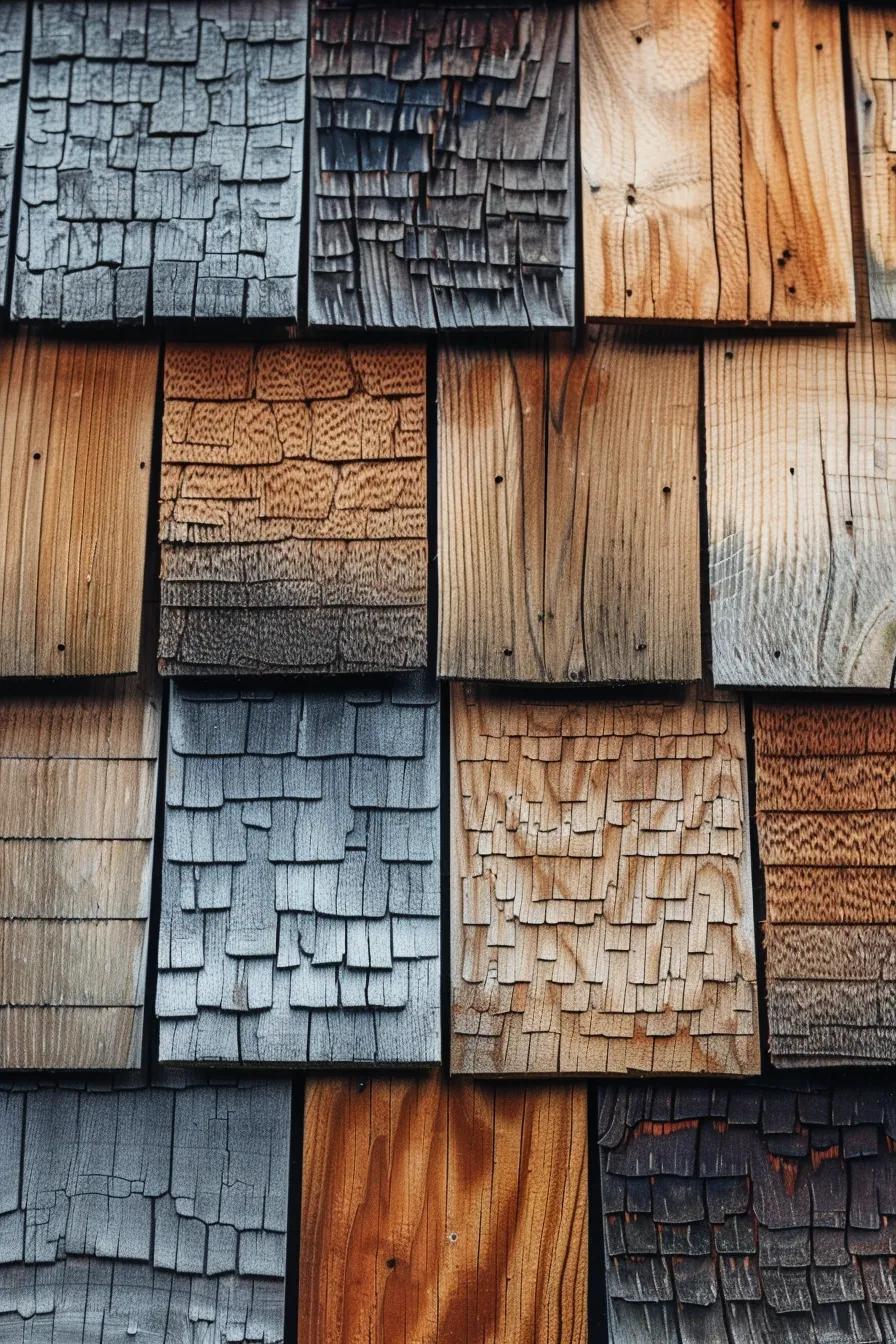
Kansas City homeowners replacing a wood roof can choose traditional cedar shakes, modern synthetic shakes, architectural asphalt shingles, or metal systems that mimic wood. Each option balances lifespan, fire resistance, storm performance, maintenance, and cost. Local weather — hail, wind, and occasional severe storms — favors materials with strong impact and wind ratings. We recommend weighing total cost of ownership over ten years: initial price, maintenance needs, storm‑damage likelihood, and insurance implications. The table below summarizes common materials, expected lifespans, fire ratings, and typical pros, cons, and cost bands for local decision‑making.
| Material | Lifespan & Fire Rating | Pros / Cons / Typical Cost Band |
|---|---|---|
| Traditional wood shakes | 20–40 years; fire rating varies unless treated | Pros: authentic look; Cons: higher maintenance and lower fire resistance unless treated; Cost: mid‑to‑high up front |
| Synthetic shake shingles | 30–50+ years; often Class A fire rating | Pros: durable, low maintenance; Cons: higher upfront cost but lower lifecycle cost; Cost: mid‑to‑high |
| Architectural asphalt shingles | 20–30 years; typically Class A | Pros: cost‑effective and readily available; Cons: different aesthetic from wood; Cost: low‑to‑mid |
| Metal roofing (wood‑look options) | 40+ years; Class A fire rating | Pros: long life and strong storm resistance; Cons: different feel from real wood; Cost: mid‑to‑high |
This comparison helps Kansas City homeowners match material performance to storm exposure and maintenance tolerance. Below we look more closely at synthetic shakes and how they compare in real‑world use.
Synthetic shakes often outperform natural wood on durability, fire resistance, and maintenance while closely imitating cedar’s look — a strong option for homeowners who want the appearance of wood without the upkeep. Many synthetic products resist hail, UV damage, and moisture‑driven rot and carry longer manufacturer warranties with less routine treatment. Some homeowners still prefer the feel of real wood, but advances in color and texture have narrowed the gap. Over a 10–20 year horizon in Kansas City’s climate, synthetic shakes frequently offer superior total cost of ownership despite higher upfront cost. Understanding these trade‑offs helps you choose the right long‑term solution for your home.
Asphalt and metal alternatives are also worth considering when durability, storm resistance, or cost control are priorities. Architectural asphalt shingles are affordable, straightforward to install, and provide good wind resistance when specified correctly. Metal roofing offers exceptional lifespan and impact resistance and can be ordered in profiles that approximate wood shakes for a similar aesthetic. Your choice among asphalt, metal, synthetic, and wood should balance appearance, maintenance tolerance, and long‑term value in Kansas City’s weather — and that decision will shape contractors’ recommendations during the estimate phase.
Why Choose Ryan Construction Systems Inc. for Your Wood Roof Replacement?
Ryan Construction Systems Inc. combines local Kansas City Metro Area experience, verifiable credentials, and a homeowner‑focused service model for reliable roof replacement. Qualifications include GAF Certified Contractor status, an A+ rating with the Better Business Bureau, and Owens Corning Preferred Contractor recognition; the company is licensed and fully insured to support workmanship and warranty coverage. Ryan also follows a Whole House Concept — treating a roof replacement as part of coordinated exterior improvements (siding, gutters, windows) so the result performs better and looks cohesive. We share useful information, show real expertise, and make it easy to contact us for a no‑obligation estimate.
Certifications and ratings deliver practical homeowner benefits: manufacturer certification means trained installers and access to extended warranties, an A+ BBB rating reflects local reputation and complaint handling, and being licensed and insured protects you from liability and ensures compliance with local rules. These credentials lower execution risk and increase the odds of a professionally managed project with clear paperwork and transferable warranties. Ask your estimator for proof of certification and written warranty details so credentials turn into tangible protection and confidence.
The Whole House Concept improves outcomes by aligning roofing work with related exterior systems — reducing future maintenance and boosting energy performance and curb appeal when trades coordinate. For example, replacing gutters and addressing ventilation during a roof replacement prevents future water problems and helps the new roof perform as intended. Bundled upgrades can simplify financing, shorten timelines, and lower the chance of callbacks. The result is a more durable, cohesive exterior and better long‑term value for homeowners.
Ryan Construction Systems Inc. serves the Kansas City Metro Area from a local base and provides free, no‑obligation quotes as part of the initial evaluation. Local knowledge helps tailor material recommendations to area storm patterns and insurance considerations. During the estimate process we handle contact details and logistics to deliver a clear scope and transparent pricing. Our local experience and certifications make Ryan a practical choice for homeowners who want a single trusted partner for roof replacement and coordinated exterior upgrades.
What Certifications and Ratings Does Ryan Construction Hold?
Ryan’s public credentials include industry and local trust signals that indicate trained crews and manufacturer partnerships: GAF Certified Contractor status, an A+ rating with the Better Business Bureau, and Owens Corning Preferred Contractor recognition. The company is licensed and fully insured, which helps protect homeowners and ensures compliance with local installation rules. Credentials aren’t a guarantee of every outcome, but they’re useful filters when comparing bids and help homeowners prioritize contractors with verifiable training and accountability. Knowing which credentials to request makes estimate conversations more effective.
How Does the Whole House Concept Improve Your Roof Replacement?
The Whole House Concept coordinates roofing work with related exterior systems — siding, gutters, and windows — so each component supports durability, energy performance, and curb appeal. Sequencing work together lets crews address root causes like poor roof‑to‑wall flashing, mismatched drainage, or inadequate ventilation that isolated work can miss. Homeowners benefit from a consolidated project plan, fewer scheduling conflicts, and streamlined warranty coverage across trades. This integrated approach reduces future repair risk and often increases resale value because the exterior is refreshed comprehensively rather than piecemeal. That’s why some contractors recommend bundled exterior upgrades with a roof replacement.
What Can You Expect During the Wood Roof Replacement Process?
A typical wood roof replacement starts with a thorough inspection and written estimate, moves to tear‑off and deck evaluation, and finishes with installation, cleanup, and a final inspection. Clear communication about timeline, materials, and contingencies helps you plan for noise, crew access, and temporary disruptions. Expect your contractor to document existing conditions with photos, outline decking and flashing repair standards, and present options with cost differences for material choices. The sections below describe the inspection and estimate phase and map the key construction steps so you know what to expect day‑to‑day.
The initial inspection and free estimate usually include a roof walk or visual survey, photo documentation of problem areas, assessment of attic ventilation and deck condition, and a written scope with material and warranty options. Inspectors check for rot, flashing failure, underlayment condition, ventilation issues, and evidence of prior repairs that might hide deeper problems. You should receive clear photos, a line‑item estimate, and recommended timelines — and ask about permits and how the crew will protect landscaping and exterior finishes. Thorough documentation during the inspection gives you confidence to compare bids and verify that proposals address root causes rather than symptoms.
The work itself follows predictable phases: tear‑off of old shakes, deck inspection and selective replacement, installation of modern underlayment and flashing, installation of the new roofing material, and final cleanup and inspection. Tear‑off duration depends on roof size and complexity; deck repairs can expand the scope if rot is found. Proper underlayment, ventilation, and correctly installed flashing are essential for long‑term performance and often separate a lasting replacement from one that needs callbacks. Prepare by protecting vehicles, moving outdoor furniture, and confirming a staging area for materials — understanding the sequence and typical durations reduces surprises.
Our goal is to give homeowners clear, useful information about services, demonstrate expertise and reliability, and make it easy to request an estimate. A transparent inspection and estimate process helps you choose the right solution for your property with less risk.
- Inspection and documentation: photos, attic check, and written scope.
- Tear‑off and deck repairs: remove old materials and replace rotten decking.
- Underlayment and flashing: install weather barriers and metalwork.
- Final installation and cleanup: install new roofing material, secure ridge, and remove debris.
These sequential steps form the backbone of a successful replacement and help you recognize industry‑standard practice. After the job, request final inspection documentation and warranty paperwork to close the project.
If any of the signs above describe your roof, request a free inspection to confirm condition and receive a no‑obligation estimate from Ryan Construction Systems Inc., serving the Kansas City Metro Area. We provide a detailed scope, material recommendations, and scheduling information tailored to local weather and building code considerations. For homeowners who value clear, documented proposals, starting with a written free estimate reduces decision risk and clarifies long‑term value.
- Document damage with photos: capture each affected area from multiple angles.
- Ask for line‑item estimates: compare materials, labor, and contingencies for deck repairs.
- Request warranty and certification proof: verify installer training and product warranties.
Frequently Asked Questions
1. How often should I inspect my wood roof for damage?
Inspect your wood roof at least twice a year — spring and fall are good times — and after any severe weather like hail or heavy storms. Regular checks help you catch early signs (curling shakes, moss, soft spots) so small problems don’t become major repairs. A quick seasonal walkaround can meaningfully extend roof life.
2. What maintenance can I perform to prolong the life of my wood roof?
Basic maintenance goes a long way: keep the roof and gutters clear of debris, ensure attic ventilation is working, and remove moss or algae promptly. Where appropriate, apply recommended wood preservatives and schedule a professional inspection every few years. Those steps reduce moisture exposure and delay major work.
3. Are there any specific weather conditions that can accelerate wood roof damage?
Yes. In Kansas City, hail, heavy rain, and strong winds accelerate wear on wood shakes and shingles. Prolonged moisture encourages rot, while intense sun causes brittleness and cracking. Frequent temperature swings also worsen expansion and contraction, so local storm exposure is an important factor when evaluating roof life.
4. What are the benefits of choosing synthetic shakes over traditional wood shakes?
Synthetic shakes offer greater durability, better fire resistance, and lower maintenance than natural wood while closely matching the look of cedar. They resist hail, UV damage, and moisture‑related rot and often carry longer warranties. Though upfront cost may be higher, their lifecycle costs can be lower in storm‑prone areas like Kansas City.
5. How can I prepare my home for a wood roof replacement?
Clear the work area: move outdoor furniture, vehicles, and decorations away from the house. Let neighbors know about the project and possible noise. Make the attic accessible for inspections and protect fragile indoor items from dust. Confirm the project timeline with your contractor so you can plan for disruptions.
6. What should I expect during the wood roof replacement process?
Expect an initial inspection, a tear‑off of old material, a deck inspection and any necessary repairs, installation of underlayment and flashing, placement of new roofing material, and a final cleanup and inspection. Good communication from your contractor about timing, materials, and contingencies will keep the project on track.
7. How do I choose the right contractor for my wood roof replacement?
Look for contractors with relevant certifications (GAF Certified, Owens Corning Preferred), a strong local reputation, and proper licensing and insurance. Ask for detailed, line‑item estimates and proof of warranties and certifications. Checking reviews and asking for references helps ensure quality workmanship and peace of mind.
Conclusion
Recognizing wood roof damage early protects your home and saves money. By learning the key visual cues and understanding when to repair versus replace, you can make informed decisions and avoid costly downstream damage. Start with a documented inspection — Ryan Construction Systems Inc. offers a free, no‑obligation assessment to help you understand condition, options, and next steps. Protect your home now by exploring the right solution for your roof.