

Find Kansas City’s Top Residential Roofers and the Services They Offer

A solid roof protects your home’s value and daily comfort. Knowing where to find reputable residential roofing companies in Kansas City makes both emergency fixes and planned replacements much less stressful. This guide walks through how trusted local contractors diagnose problems, lay out options, and complete work with durable materials and clear warranties so you can decide with confidence. You’ll find the trust signals to watch for, the range of local roofing services, how material choices affect lifespan and curb appeal, and a step‑by‑step look from inspection to final walkthrough. We also cover how to spot storm or leak damage, document issues for insurance, and compare estimates from certified installers. Read on for practical checklists, straightforward comparisons, and clear next steps when your roof needs attention.
Why Are Ryan Construction Systems Inc. and Other Top Residential Roofing Companies Trusted in Kansas City?
High-quality residential roofers earn homeowner trust through verifiable credentials, consistent workmanship, and straightforward communication about materials and warranties. Reputable firms pair manufacturer partnerships and certifications with real project results—so homeowners can see how warranties apply and what performance to expect. Look for third‑party ratings, case histories, and evidence that a consistent crew handles installations; that continuity reduces mistakes and keeps schedules predictable. These reliability markers make it easier to compare bids and plan for the long term.
Ryan Construction Systems Inc. demonstrates common trust signals: manufacturer certifications and preferred‑partner status, a solid Better Business Bureau record, a track record of local customers served, and a policy of offering free, no‑obligation estimates. When contractors present these details, homeowners can more easily evaluate workmanship guarantees, product warranties from brands like Timberline or CertainTeed, and the value of using a certified installer. Knowing these trust markers sets you up to check the specific credentials and review patterns for any contractor you consider.
What Experience and Certifications Make a Roofing Company Top-Rated?
Experience and certifications work together: experience shows repeated, successful installations and practical problem‑solving; certifications show manufacturer‑backed training and warranty eligibility. Certifications from major manufacturers such as GAF or Owens Corning mean a contractor follows required installation standards for enhanced warranties and uses the specified methods for underlayment, flashing, and ventilation. Homeowners gain because certified work often unlocks extended coverage and indicates ongoing crew training.
When vetting a contractor, ask for proof of manufacturer partnerships and how those certifications affect warranty length and claims handling. Also verify general liability insurance and any workmanship guarantees—these protect you from installation defects or accidental damage. Checking credentials lets you compare bids on warranty and scope rather than price alone, and it naturally leads to reviewing customer feedback and third‑party ratings.
How Do Customer Reviews and BBB Ratings Reflect Roofing Company Reliability?
Customer reviews and Better Business Bureau (BBB) ratings are useful indicators of reliability when you read them with context. A large number of recent, consistent positive reviews signals steady performance; professional responses to negative feedback show a company that addresses problems instead of ignoring them. A BBB A+ rating or similar endorsement points to formal complaint handling and sound business practices, but it’s most meaningful when paired with recent project photos and references.
Request recent project photos, contactable references, and examples of how warranty issues were resolved; this reveals whether a contractor’s online reputation matches on‑the‑ground results. Using these reputation cues helps you narrow your list before requesting detailed estimates and sets expectations for communication during inspection and installation.
What Comprehensive Residential Roofing Services Do Leading Kansas City Contractors Offer?
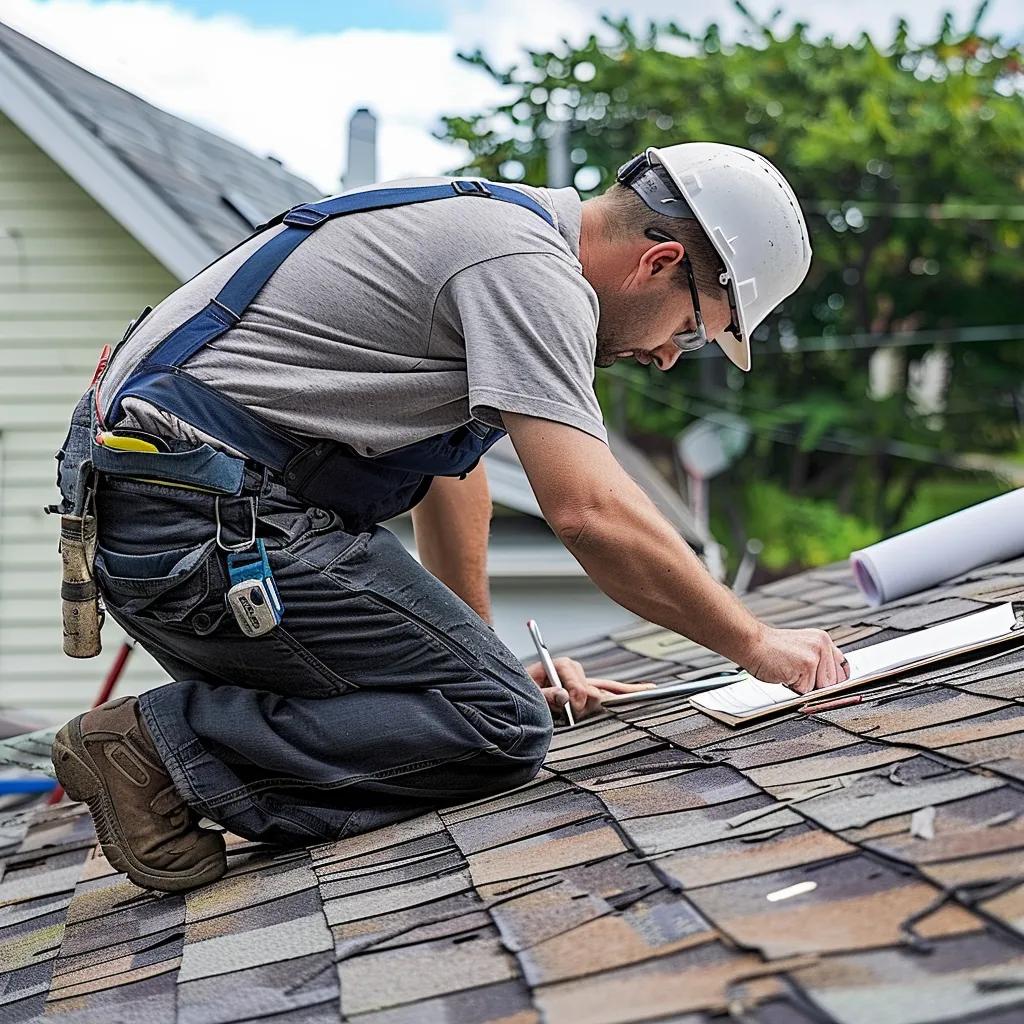
Comprehensive residential roofing services cover the full roof lifecycle: inspection, repair, replacement, and ongoing maintenance. Top contractors handle material‑specific installations (asphalt, metal, tile, flat systems), targeted repairs (flashing, shingle replacement, leak patching), storm‑damage assessments, and related exterior work such as gutters and siding that affect roof performance. These services combine technical inspection, insurance coordination when needed, and clear warranty transfers so homeowners understand what’s covered.
When researching contractors, look for firms that list the roof types they install and repair, plus related services that reduce callbacks. For example, some companies offer siding and gutter work alongside roofing to deliver integrated exterior solutions and consistent finishes (Ryan Construction Systems Inc. lists roofing, roof repairs, siding, gutters, windows, and room additions among its services). Prioritize contractors who explain how each service protects your home and recommend a realistic maintenance schedule.
Which Residential Roof Installation Options Are Available Near You?
Residential roofs use several material families, each with tradeoffs in cost, lifespan, and appearance. Asphalt shingles are popular for affordability and variety; metal roofing offers long life and energy benefits; tile gives a distinctive look and longevity where the structure can support it; and flat roofs rely on membrane systems tuned for drainage and waterproofing. The right choice depends on budget, desired lifespan, neighborhood style, and your roof’s pitch and structural limits.
Compare options by expected lifespan, upfront cost, and maintenance needs to match your priorities. Material choice also ties to manufacturer certifications: certified installers can fit products that carry extended warranties, which may justify higher initial cost with better long‑term protection. Understanding these differences prepares you to evaluate line‑item estimates and warranty terms from contractors.
How Do Expert Roof Repair and Maintenance Services Protect Your Home?
Timely repairs and routine maintenance stop small issues from turning into costly structural problems. Professionals address leaks, loose or missing shingles, and failing flashing early. Typical services include targeted shingle replacement, flashing resealing, gutter cleaning and repair, and attic ventilation checks to control moisture—steps that preserve insulation and interior finishes. A documented maintenance history also helps with insurance claims and resale value.
A sensible maintenance plan usually includes an annual inspection plus a post‑storm check after hail or high winds, since those events accelerate wear. Investing in scheduled upkeep lowers your overall cost of ownership by extending roof life and reducing emergency repairs.
How Do Roofing Materials Impact Durability and Aesthetic Appeal for Kansas City Homes?
Material choice affects a roof’s lifespan, energy performance, and curb appeal, and each material reacts differently to Kansas City’s seasonal swings and storms. Choosing the right product balances expected service life, upfront cost, and appearance goals, while also requiring proper installation to preserve manufacturer warranties. The table below summarizes typical tradeoffs to help homeowners decide.
| Material | Typical Lifespan | Pros | Cons | Typical Cost Range |
|---|---|---|---|---|
| Asphalt Shingle | 20–30 years | Affordable, many colors and styles, straightforward repairs | Shorter service life, can be more vulnerable in severe storms | Low to moderate |
| Metal | 40–70 years | Long‑lasting, energy‑efficient, lightweight | Higher upfront cost; can be noisy without insulation | Moderate to high |
| Tile (Clay/Concrete) | 50+ years | Distinctive appearance, very durable, fire‑resistant | Heavy—may need structural reinforcement; higher install cost | High |
| Flat Membrane | 15–30 years | Designed for low slopes, strong waterproofing | Needs careful drainage design and periodic maintenance | Low to moderate |
What Are the Benefits of Asphalt Shingle Roofing in Kansas City?
Asphalt shingles are a common choice because they balance cost, style options, and well‑established installation standards that certified contractors follow. They come in many looks to match neighborhood aesthetics and are relatively easy to repair or replace. When installed with the right underlayment, ventilation, and flashing, asphalt performs well across seasonal changes—though it usually needs replacement sooner than metal or tile.
Simple upkeep—annual inspections, clean gutters, and watching for granule loss—extends shingle life and helps prevent leaks. For homeowners focused on upfront affordability with predictable maintenance cycles, asphalt remains a practical, widely supported option with clear upgrade paths later.
Why Choose Metal or Tile Roofing for Your Residential Property?
Metal and tile roofs offer long lifespans and strong weather resistance, which can lower lifecycle costs despite higher initial investment. Metal resists wind uplift and often reflects heat, improving cooling performance; tile is extremely durable and visually distinctive but requires a structural check because of its weight. Both demand meticulous installation and are best handled by contractors certified for those systems to protect warranties.
These materials suit homeowners planning to stay long‑term or those seeking standout curb appeal and energy benefits. Work with a contractor to evaluate roof structure, local codes, and manufacturer warranty details before committing to higher‑cost systems.
How Can You Identify and Address Common Residential Roofing Problems in Kansas City?
Spotting roof problems early limits interior damage and makes insurance claims smoother. Start with visible signs, then get a documented inspection. Common local issues include hail and wind damage, shingle granule loss, flashing failures, and leaks from clogged gutters or poor attic ventilation. Acting quickly preserves evidence and speeds restoration; the table below links symptoms to likely actions.
| Problem | Common Signs | Immediate Action | Likely Repair |
|---|---|---|---|
| Leak / Water Intrusion | Interior stains, mold, sagging ceiling | Contain water, photograph damage, move valuables | Flashing repair, patching, or full re‑roof |
| Hail Damage | Dented metal, missing granules, bruised shingles | Photograph, avoid walking on the roof, schedule inspection | Shingle or metal panel replacement; insurance estimate |
| Wind Damage | Missing or lifted shingles, exposed underlayment | Secure loose pieces, document condition | Shingle replacement, improved fastening |
| Poor Drainage | Ice dams, ponding on flat areas | Clear gutters, set temporary drains, document | Gutter repair, membrane replacement, slope adjustment |
What Are the Signs You Need Roof Leak or Storm Damage Repairs?
Interior water stains, musty smells, and attic moisture point to water getting into the roof system and need prompt attention. Outside, watch for missing shingles, curled edges, heavy granule loss, and dented metal after hail; catching these early preserves evidence for insurance and typically reduces repair scope. Prioritize safety—don’t climb on steep or storm‑damaged roofs. Instead, photograph damage from the ground or have a pro use a drone for inspection.
After documenting the damage, apply temporary tarping if water is entering living spaces and schedule a professional inspection to generate an official report for your insurer. These steps protect your home and create a verifiable record to support faster claims and repairs.
How Do Roofing Companies Handle Hail and Storm Damage Assessments?
Assessments start with a visual inspection, systematic photo documentation, and measurements to decide whether repair or replacement is necessary. Many contractors augment on‑site work with drone photography and detailed reports that identify affected components (shingles, flashing, gutters) and estimated costs—information insurers commonly request. Good contractors coordinate with homeowners and insurers, deliver line‑item estimates, and explain how manufacturer warranties or certifications affect coverage.
This organized approach helps homeowners make informed choices and leads into the full inspection‑to‑completion workflow that follows a validated assessment.
What Is the Typical Residential Roofing Process From Inspection to Completion?
A clear, step‑by‑step process reduces surprises: schedule an inspection, get a documented report, compare itemized estimates, choose materials and a certified installer, authorize permits and work, then complete installation with a final inspection and warranty handoff. This sequence aligns homeowner expectations with contractor responsibilities and ensures proper disposal of old materials. The table below shows typical roles, durations, and deliverables so you can plan time and budget effectively.
| Process Step | Who’s Responsible | Typical Duration | Outcome/Deliverable |
|---|---|---|---|
| Initial Contact & Scheduling | Homeowner / Contractor | 1–7 days | Inspection appointment |
| Roof Inspection | Contractor | 1 day on-site | Written report + photos |
| Estimate & Material Selection | Contractor / Homeowner | 3–14 days | Line‑item estimate and material choices |
| Permitting & Preparation | Contractor | 1–7 days | Permits secured and site prep |
| Installation / Repair | Contractor | 1–7 days (varies) | Finished roof and debris removal |
| Final Walkthrough & Warranty | Contractor / Homeowner | Same day as completion | Final inspection and warranty documents |
How Do Professional Roof Inspections Ensure Quality and Longevity?
Inspections evaluate visible components—shingles, underlayment, flashing, vents, gutters—and check attic conditions for moisture, insulation, and ventilation that affect performance. Inspectors deliver photo‑backed reports and recommend repair or replacement thresholds based on remaining service life and observed damage, which helps homeowners prioritize spending. Modern inspections may use drone imagery or thermal scans to find hidden moisture or voids and improve diagnostic accuracy.
Clear inspection reports form the basis of insurance claims and replacement decisions, so ask for written findings and next steps. A documented report also lets you compare estimates on equivalent scopes and confirm that proposed materials meet manufacturer guidelines for warranty eligibility.
What Steps Are Involved in a Residential Roof Replacement or Repair?
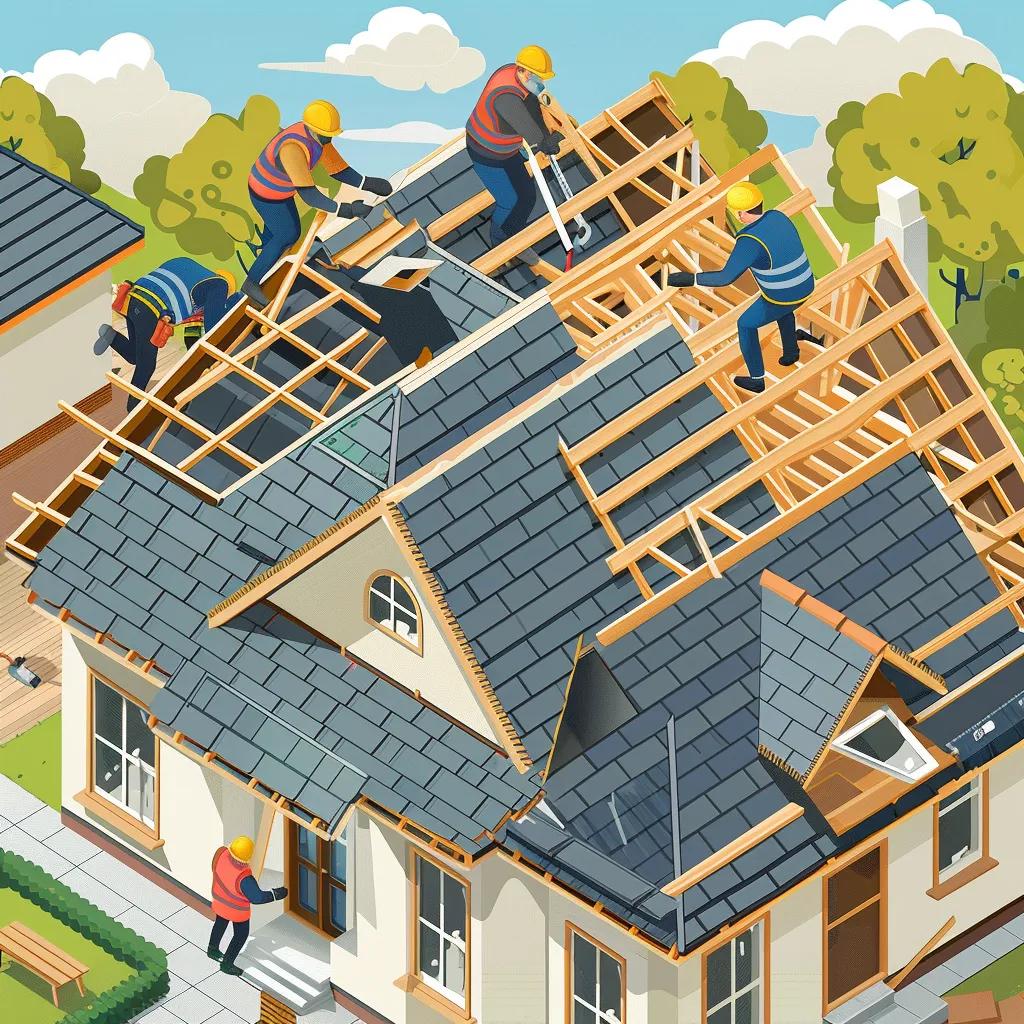
A typical replacement starts with pre‑job preparation—protecting landscaping, moving vehicles, and covering interiors—then tear‑off, substrate inspection, underlayment and flashing installation, roof material installation, and debris removal. Quality checks during the job include nail pattern verification, flashing detail checks, and ventilation confirmation to avoid premature failures. After work finishes, a final walkthrough documents the completed roof, hands over warranty paperwork, and confirms cleanup.
Homeowners should confirm permitting, waste disposal plans, and a clear timeline before work begins to avoid surprises and to be considerate of neighbors. Knowing these steps reduces stress and clarifies homeowner responsibilities during an active project.
How Can You Get a Free Estimate and Choose the Best Local Roofing Experts in Kansas City?
Requesting multiple free estimates and comparing line‑by‑line proposals is the most reliable way to choose a qualified local roofer—it exposes differences in materials, scope, and warranty terms beyond the headline price. When you ask for estimates, request a detailed breakdown of materials, labor, permits, timeline, and warranty coverage, and get each proposal in writing. Use the checklist below to evaluate bids and spot red flags like vague scopes or high‑pressure sales tactics.
- Request itemized estimates: Make sure materials, labor, and permits are listed separately.
- Verify credentials: Ask for manufacturer certifications and proof of insurance.
- Check references and recent projects: Request photos or contactable references.
- Confirm warranty details: Get workmanship and material warranty terms in writing.
- Watch for high-pressure sales: Avoid contractors who push for immediate decisions.
Comparing multiple bids with these criteria helps you make apples‑to‑apples comparisons and choose a contractor who balances cost with documented reliability. Below is guidance on evaluating contractor qualifications and manufacturer certifications.
What Should You Look for When Selecting a Local Roofing Contractor?
Choose a contractor based on verifiable items: licensing and insurance, recent project photos, manufacturer certifications, and written warranty terms that spell out coverage and duration. Ask whether the company uses a consistent installation crew or outside subcontractors—consistent crews tend to produce fewer installation issues. Finally, request references from recent local jobs and ask how the contractor handled any warranty or claim matters.
A thorough vetting process reduces risk and prevents disputes after the job. These steps also lead naturally to understanding how certifications like GAF or Owens Corning add warranty value.
How Do GAF and Owens Corning Certifications Benefit Homeowners?
Manufacturer certifications from GAF, Owens Corning, and similar brands show that contractors have been trained to install specific systems to strict standards, which often unlocks extended product warranties and manufacturer‑backed workmanship programs. Certified installers follow prescribed sequences for underlayment, flashing, and fasteners that directly affect longevity and warranty validity. Ask contractors to show active certification and explain how it alters warranty terms and claims handling.
Verifying certification protects homeowners by ensuring installations meet manufacturer requirements and by clarifying which warranty documents will apply after the job. With that information, you can compare certified bids and choose the option that best balances cost, quality, and long‑term protection.
Free Estimate Reminder and How Ryan Construction Systems Inc. Fits In
When getting estimates, prioritize contractors who offer clear, no‑obligation quotes and who document recommended scopes and warranty details. Ryan Construction Systems Inc. is one local option that advertises free, no‑obligation estimates and lists residential roofing, repairs, siding, gutters, windows, and room additions among its services—an integrated approach for homeowners who prefer bundled exterior work. Request multiple written estimates, including one from firms offering bundled services, so you can compare total project scope and long‑term value before deciding.
This action‑oriented advice—collect itemized bids, verify credentials, and choose a certified installer—is the most direct path to a successful roofing project in Kansas City.
Frequently Asked Questions
What should I do if I suspect my roof has storm damage?
If you suspect storm damage, start by photographing visible signs such as missing shingles, dents, or interior leaks. Don’t walk on the roof—avoid injury and avoid disturbing evidence. Contact a professional roofing contractor for a thorough inspection; they can provide a detailed report for insurance claims. Acting quickly helps prevent more damage and preserves the documentation you’ll need for repairs.
How often should I schedule roof inspections?
We recommend a roof inspection at least once a year, ideally in spring or fall. Also schedule an inspection after severe weather—heavy storms or hail can cause damage that isn’t obvious from the ground. Regular inspections catch problems early, letting you make smaller, less expensive repairs and keeping a documented history that helps with insurance and resale.
What are the signs that my roof needs to be replaced?
Signs you may need a full replacement include widespread shingle curling or buckling, multiple persistent leaks, significant granule loss, and visible sagging. If your asphalt roof is approaching 20–30 years, consider replacement planning. Frequent, costly repairs are another sign it may be more economical to replace the roof. A professional assessment will clarify the best path forward.
How can I prepare my home for a roofing project?
Preparing for a roof project means clearing the work area: move vehicles, patio furniture, and decorations away from the house. Inside, cover or move valuables and protect furniture from dust. Keep pets secure and out of the work zone. Discuss the project timeline and any special concerns with your contractor so the job runs smoothly.
What types of warranties should I look for in roofing materials?
Look for both material and workmanship warranties. Material warranties cover product defects; workmanship warranties cover installation errors. Good material warranties often last 20 years or more; workmanship warranties commonly run 5–10 years. Read the fine print so you understand coverage limits and any maintenance required to keep the warranty valid.
How do I choose the right roofing material for my home?
Choosing a roofing material depends on budget, desired lifespan, and style preferences. Asphalt shingles are economical and versatile; metal offers durability and energy savings; tile provides a distinctive look but may require structural support. Consider local climate, neighborhood norms, and your home’s structure. A roofing professional can help you weigh tradeoffs and pick the best fit.
What should I expect during the roofing installation process?
Expect a predictable sequence: site preparation (protect landscaping, remove the old roof), underlayment and flashing installation, new roofing material installation, quality checks during the job, and a final walkthrough with warranty paperwork. Good communication with your contractor throughout the process makes the experience smoother and ensures expectations are met.
Conclusion
Choosing a reputable residential roofing company in Kansas City protects your home with the right materials and skilled installation. Knowing the services, trust signals, and selection steps helps you make informed choices that fit your needs. Take the next step: request free, itemized estimates from local contractors, verify credentials, and pick a certified installer to protect your investment and improve your home’s curb appeal.