


Top 5 Key Factors to Consider When Selecting a Residential Roofing Contractor

Choosing the right residential roofing contractor is crucial for ensuring the longevity and safety of your home. With numerous options available, it can be overwhelming to determine which contractor will meet your needs effectively. This article will guide you through the top five key factors to consider when selecting a roofing contractor, helping you make an informed decision. You will learn about the importance of verifying licenses, understanding insurance requirements, evaluating warranties, and the role of customer reviews in your selection process. By addressing these factors, you can avoid potential pitfalls and ensure that your roofing project is completed to the highest standards.
Indeed, the selection process is multifaceted, requiring consideration of various criteria tailored to the specific project and client needs.
Key Criteria for Contractor Selection
It is evident from the above review that the client types, nature of works, selection types, and geographical location. In order to cater to all these issues the proposed contractor selection
Contractor selection criteria: investigation of opinions of Singapore construction practitioners, D Singh, 2006
How Do You Verify a Residential Roofing Contractor’s License in Kansas City?
Verifying a residential roofing contractor’s license is essential to ensure that they are qualified to perform the work. In Kansas City, Missouri, the verification process involves several steps that homeowners should follow to protect their investment.
- Check for a City Business License: Ensure the contractor holds a valid business license issued by the city.
- Confirm Registration: Verify that the contractor is registered with the state and meets all local regulations.
- Request Documentation: Ask the contractor for proof of their license and any relevant certifications.
For those looking to ensure they are working with a qualified contractor, Ryan Construction Systems Inc specializes in licensed and insured roofing services, providing peace of mind for homeowners.
What Are the Licensing and Certification Requirements for Roofing Contractors in Kansas City?
In Kansas City, Missouri, roofing contractors must meet specific licensing and certification requirements to operate legally. These include:
- Local Business License: Contractors must obtain a business license from the city to ensure compliance with local regulations.
- Liability Insurance: This protects homeowners from potential damages during the roofing process.
- Workers’ Compensation Insurance: Required to cover any injuries that may occur to workers on the job site.
Understanding these requirements helps homeowners select a contractor who adheres to local laws and standards.
Indeed, navigating these regulatory landscapes can be complex, as research highlights the significant challenges contractors often face with licensing, insurance, and especially the permitting process.
Contractor Licensing, Insurance, and Permitting Challenges
The findings reveal that while licensing, insurance, and bonding are seen as foundational for establishing credibility and legal compliance, the permitting process presents the most significant challenge. Respondents consistently described permitting as overly complex, inconsistent between jurisdictions, and a frequent cause of project delays.
How Regulations Impact Contractors in California: Licensing, Insurance, Bonding & Permitting, 1989
Why Is Roofing Contractor Insurance Essential for Homeowners?
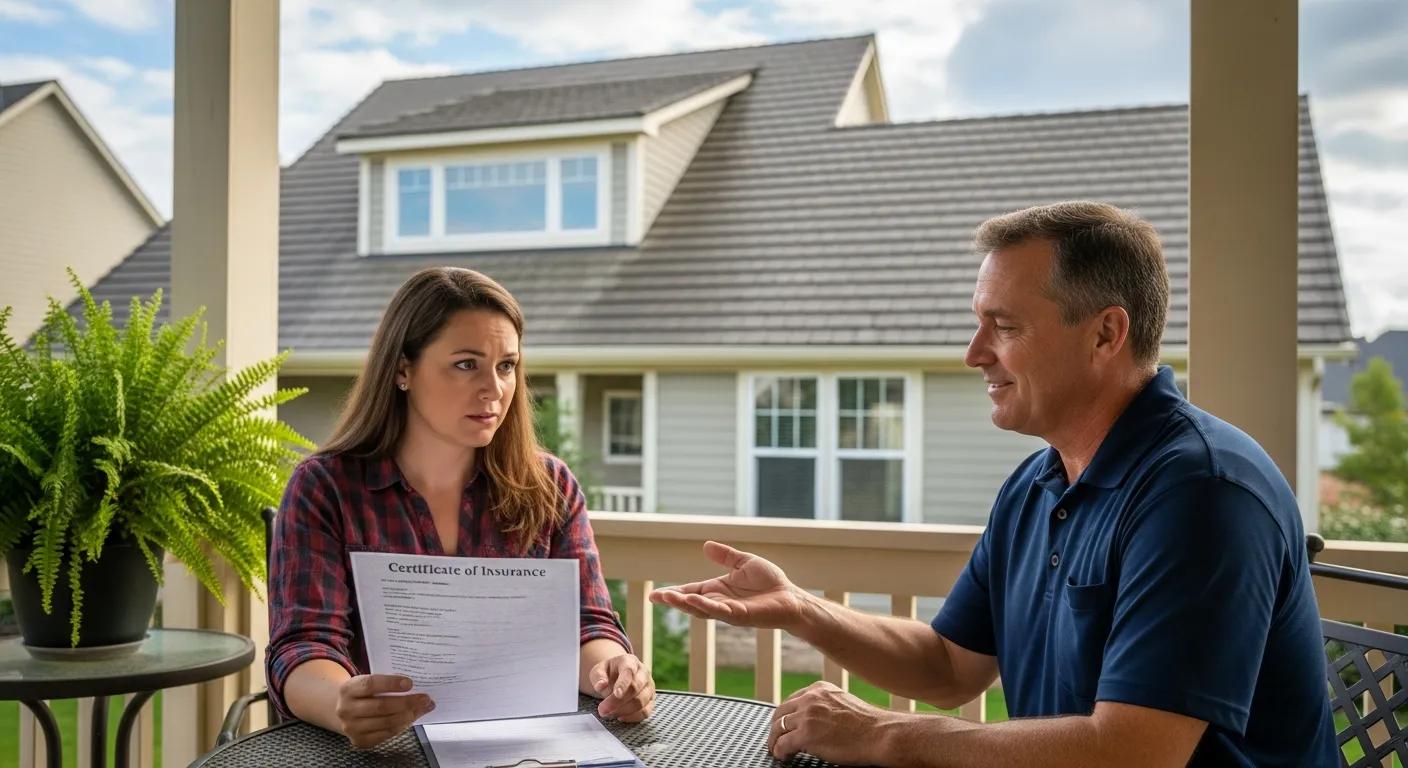
Roofing contractor insurance is a critical aspect of hiring a contractor, as it provides legal protections and financial security for homeowners. Insurance ensures that both the contractor and the homeowner are protected in case of accidents or damages during the roofing project.
- Legal Protections: Insurance helps protect homeowners from liability in case of accidents on their property.
- Liability Coverage: It covers damages that may occur to the home or property during the roofing process.
- Protection Against Financial Loss: Insurance can help mitigate costs associated with repairs or accidents that may arise.
Ryan Construction Systems Inc emphasizes the importance of providing licensed and insured services, ensuring that homeowners are safeguarded throughout their roofing projects.
What Types of Insurance Should a Residential Roofing Contractor Have?
When hiring a residential roofing contractor, it is essential to ensure they have the appropriate types of insurance, including:
- General Liability Insurance: This covers damages to your property or injuries that occur during the roofing process.
- Workers’ Compensation Insurance: This protects workers in case of injuries sustained while working on your roof.
Having these insurances in place not only protects the contractor but also provides peace of mind for homeowners.
How Important Are Roofing Contractor Warranties and What Should They Cover?
Roofing contractor warranties are vital for homeowners, as they provide assurance regarding the quality of work and materials used. A good warranty can protect you from future costs associated with repairs or replacements.
- Material Warranty: Covers defects in roofing materials for a specified period.
- Workmanship Warranty: Ensures that the installation is performed correctly and covers any issues arising from poor workmanship.
- System Warranty: Provides comprehensive coverage for the entire roofing system, including materials and installation.
Understanding the different types of warranties available can help homeowners make informed decisions when selecting a contractor.
Further emphasizing the comprehensive nature of protection, understanding the various components of a building warranty, including its different periods and how it interacts with insurance, is crucial for homeowners.
Understanding Building Warranties and Insurance Coverage
In the unfortunate event that cracking does occur, what is covered under an an insurance policy or building guarantee? The standard warranty consists of three parts: the building period; the developer’s guarantee/warranty period (DGP/DWP) and the structural insurance period (SIP).
Risk assessment and evaluation: The implications of cracking for insurance cover and warranties, 2005
What Warranty Terms Are Commonly Offered by Residential Roofing Contractors?
Common warranty terms offered by residential roofing contractors typically include:
- Material Warranty Duration: Usually ranges from 20 to 50 years, depending on the material used.
- Workmanship Warranty Duration: Often lasts between 1 to 10 years, covering installation errors.
- System Warranty Requirements: May require regular maintenance to remain valid.
These warranty terms are crucial for ensuring that homeowners are protected against potential issues that may arise after the roofing project is completed.
How Can Customer Reviews and References Help You Choose the Right Roofing Contractor?

Customer reviews and references play a significant role in selecting the right roofing contractor. They provide insights into the contractor’s performance, reliability, and quality of work.
- Insights into Performance: Reviews can highlight the strengths and weaknesses of a contractor based on previous clients’ experiences.
- Contacting References: Speaking directly with past clients can provide a clearer picture of what to expect.
- Assessing Reliability: Consistent positive feedback can indicate a contractor’s reliability and commitment to quality.
By leveraging customer reviews, homeowners can make more informed decisions when selecting a roofing contractor.
Where to Find Reliable Customer Reviews for Roofing Contractors in Kansas City?
Finding reliable customer reviews for roofing contractors can be done through various sources, including:
- Google Reviews: A popular platform where customers share their experiences and ratings.
- Better Business Bureau: Offers ratings and reviews based on customer feedback and complaints.
- Local Neighborhood Groups: Community forums and social media groups can provide personal recommendations and insights.
Utilizing these resources can help homeowners identify reputable contractors and avoid potential pitfalls in their selection process.