

Best Roofing Materials for Effective Home Repair: Durable, Cost‑Effective, Long‑Lasting Options for Homeowners
Picking the best roofing materials for home repair depends on matching durability, budget, and climate resistance to your house. This guide walks homeowners through which materials deliver the most reliable repairs, how to compare upfront cost to 20‑year value, and which repair techniques work best for common problems. You’ll get simple selection criteria—expected lifespan, impact and wind resistance, and routine maintenance—plus practical repair steps and Kansas City‑specific considerations like hail and freeze–thaw cycles. We cover long‑lasting choices (slate, metal, Class 4 asphalt), budget-friendly options (asphalt and composites), shingle comparisons, KC weather impacts, recommended repair materials and methods, and when to call a certified local contractor. Keywords such as best roofing materials for home repair, durable metal roofing Kansas City, and best hail resistant shingles KC are included to help homeowners find clear, actionable guidance for repairs that hold up over time.
What Are the Most Durable Roofing Materials for Home Repair in Kansas City?
Durability comes down to three things: lifespan, impact and wind resistance, and maintenance needs. Together they show how well a roof will stand up to Kansas City’s hail, wind storms, and seasonal freeze–thaw cycles. The most durable materials combine long service life with high impact ratings and low routine upkeep—lowering lifecycle costs and the chance of repeat repairs. In KC, focus first on impact resistance and wind uplift performance to limit storm damage and ongoing repair bills. The table below gives a quick side‑by‑side of top durable options, showing expected life, impact resistance, and typical cost ranges so you can make an informed first pass before digging into repair details.
| Roofing Material | Lifespan (years) | Impact Resistance / Class | Typical Cost Range |
|---|---|---|---|
| Natural Slate | 75–100+ | High (excellent) | High |
| Standing‑seam Metal | 40–70+ | High (good to excellent) | Medium–High |
| Class 4 Impact‑Resistant Asphalt (architectural) | 25–40 | Class 4 (excellent) | Low–Medium |
| Synthetic Slate / Composite | 30–60 | Often Class 4 | Medium |
| Clay / Concrete Tile | 50–100+ | High | High |
That quick look shows slate and tile often last the longest, while metal and upgraded asphalt give strong impact resistance with lower long‑term maintenance. Below we explain how asphalt and metal usually perform in Kansas City repair scenarios and when each is the best durable choice for your home.
How Do Asphalt Shingles Perform for Long‑Lasting Roof Repairs?
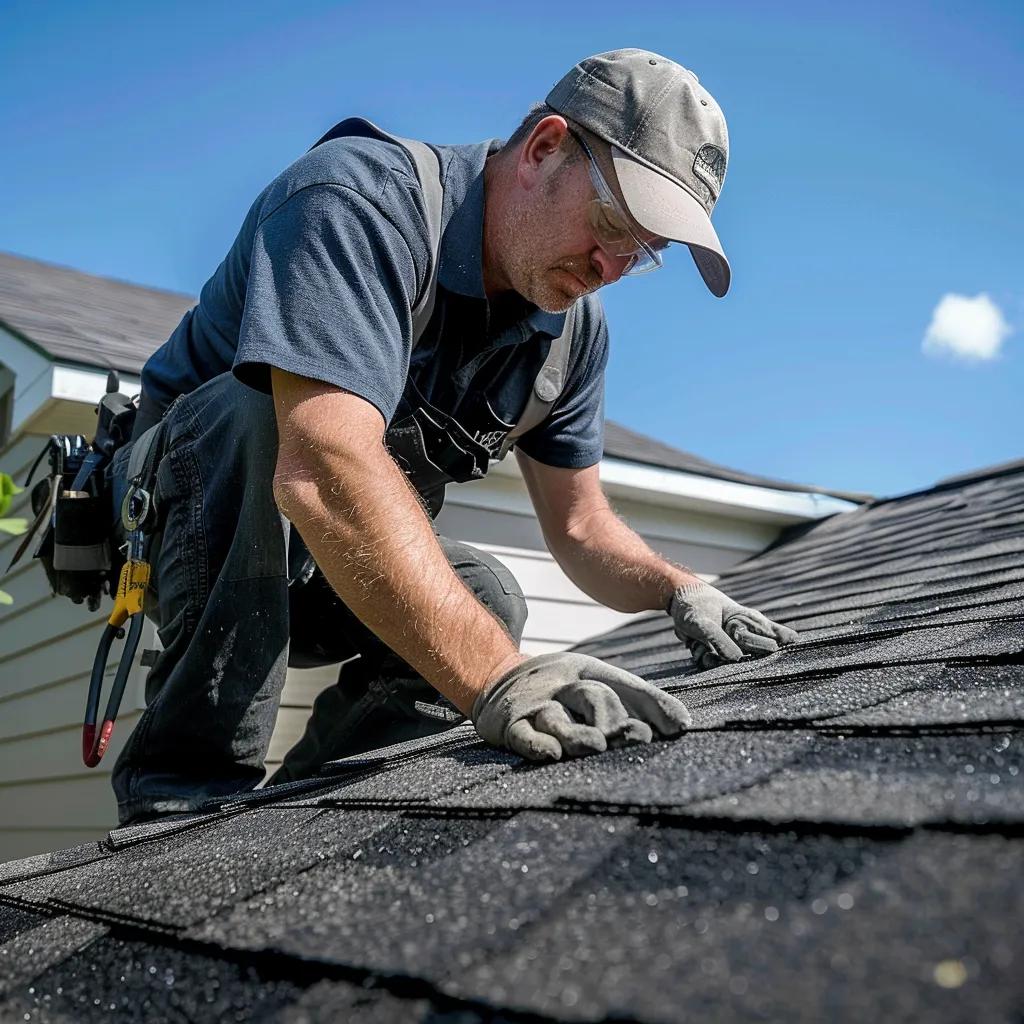
Asphalt shingles are the most common repair material because they strike a practical balance between cost, availability, and ease of repair. Architectural (laminated) asphalt shingles typically carry longer warranties and better wind performance versus basic 3‑tab shingles, and Class 4 impact‑rated asphalt significantly reduces hail damage. Asphalt’s job is simple—shed water and protect the underlayment—and damaged shingles can often be replaced individually, keeping repair time and cost down. For Kansas City homes facing hail, we usually recommend upgraded architectural or impact‑rated asphalt to extend service life and limit storm‑driven repairs.
Why Is Metal Roofing a Top Choice for Durable Home Repairs?

Metal roofing—especially standing‑seam systems and premium metal shingles—offers long life and strong resistance to hail, wind, and thermal cycling, which matches well with Kansas City’s stormy weather. Metal is non‑combustible, sheds snow and water efficiently, and often reduces moisture‑related problems over time. Though the initial cost is higher than asphalt, metal’s 40–70+ year lifespan and lower repair frequency can make it a better value over the long run. Metal does expand and contract, so correct fastening, flashing, and ventilation are important to cut down on noise and thermal stress. If your priority is lasting durability and energy performance, metal is a smart repair or replacement option.
Which Cost‑Effective Roofing Materials Offer the Best Value for Home Repairs?
Value means weighing upfront cost against maintenance and replacement cycles to estimate 20‑year lifecycle expense and practical downtime. Budget‑friendly materials still need to protect the house and look good while keeping repairs simple. For many Kansas City homeowners, asphalt shingles are the baseline economical choice; composite and synthetic options raise the initial price slightly but often reduce long‑term upkeep and storm‑related replacements. The table below helps translate upfront spend into an estimated 20‑year perspective to guide sensible repair decisions.
| Material | Upfront Cost | Maintenance Frequency | Estimated 20‑year Total Cost |
|---|---|---|---|
| Architectural Asphalt Shingles | Low–Medium | Moderate (periodic shingle/flashings) | Low–Medium |
| Composite/Synthetic Slate | Medium | Low (infrequent) | Medium |
| Metal Roofing (coated) | Medium–High | Low | Medium–High |
| Clay/Concrete Tile | High | Low (spot repairs) | High |
This comparison shows asphalt typically has the lowest upfront cost, while composites and metal can reduce maintenance and full‑replacement needs over 20 years. Below we unpack why asphalt is budget‑friendly and how composites bridge cost and durability.
What Makes Asphalt Shingles the Most Budget‑Friendly Repair Material?
Asphalt is widely available and familiar to roofers, which shortens labor time and lowers repair bills. Common fixes—replacing a few shingles, re‑sealing flashings, or patching underlayment—are relatively inexpensive compared with repairing heavy tile or slate. Upgrading to architectural or Class 4 impact‑rated shingles raises the initial cost a bit but extends useful life and can improve insurance outcomes after hail. If your budget is tight but hail is a concern in KC, consider stepping up to an upgraded asphalt product to balance cost and protection.
How Do Composite and Synthetic Roofs Balance Cost and Durability?
Composite and synthetic products mimic premium materials like slate or cedar while cutting weight, improving impact resistance, and simplifying installation—lowering structural and labor expense. Many synthetic slate options carry Class 4 ratings and last much longer than standard asphalt at a fraction of natural slate’s price, making them attractive for homeowners who want a high‑end look without the highest cost. Product quality varies by manufacturer, so choose recognized brands and certified installers for long‑term performance. In KC, composites often offer a good compromise between curb appeal and resistance to hail and freeze–thaw cycles.
What Types of Residential Roofing Shingles Are Best for Effective Home Repair?
Knowing shingle types helps set repair expectations: light 3‑tab shingles allow inexpensive patching, architectural shingles offer better wind and hail protection and easier visual matches, and luxury or slate‑style shingles may need specialist sourcing and trades for repairs. The right shingle depends on availability of matching material, scope of damage (spot repair versus full re‑roof), and whether your structure supports heavier premium options. Below we contrast common asphalt classes and then look at premium slate and tile to help you decide when to repair and when to replace.
What Are the Differences Between 3‑Tab, Architectural, and Luxury Asphalt Shingles?
3‑tab shingles are thin, low cost, and easiest to replace in small areas, but they have shorter lifespans and lower wind resistance—best for tight budgets and quick patches. Architectural shingles are thicker and laminated, offering better wind uplift, longer warranties, and less visible patching. Luxury or designer asphalt shingles mimic premium profiles with heavier construction and longer life, but they cost more and can be unnecessary for small repairs. Pick based on budget, desired service life, and your ability to match existing shingles for a consistent look.
Common repair scenarios and the right shingle choice:
- 3‑Tab: Small, budget repairs where speed and low cost matter.
- Architectural: Larger repairs or whole‑roof work where improved durability is beneficial.
- Luxury: Full replacements prioritizing curb appeal and long‑term value.
These distinctions help match repair scope to shingle type for better cost effectiveness and longevity.
How Do Slate and Tile Shingles Provide Premium Repair Solutions?
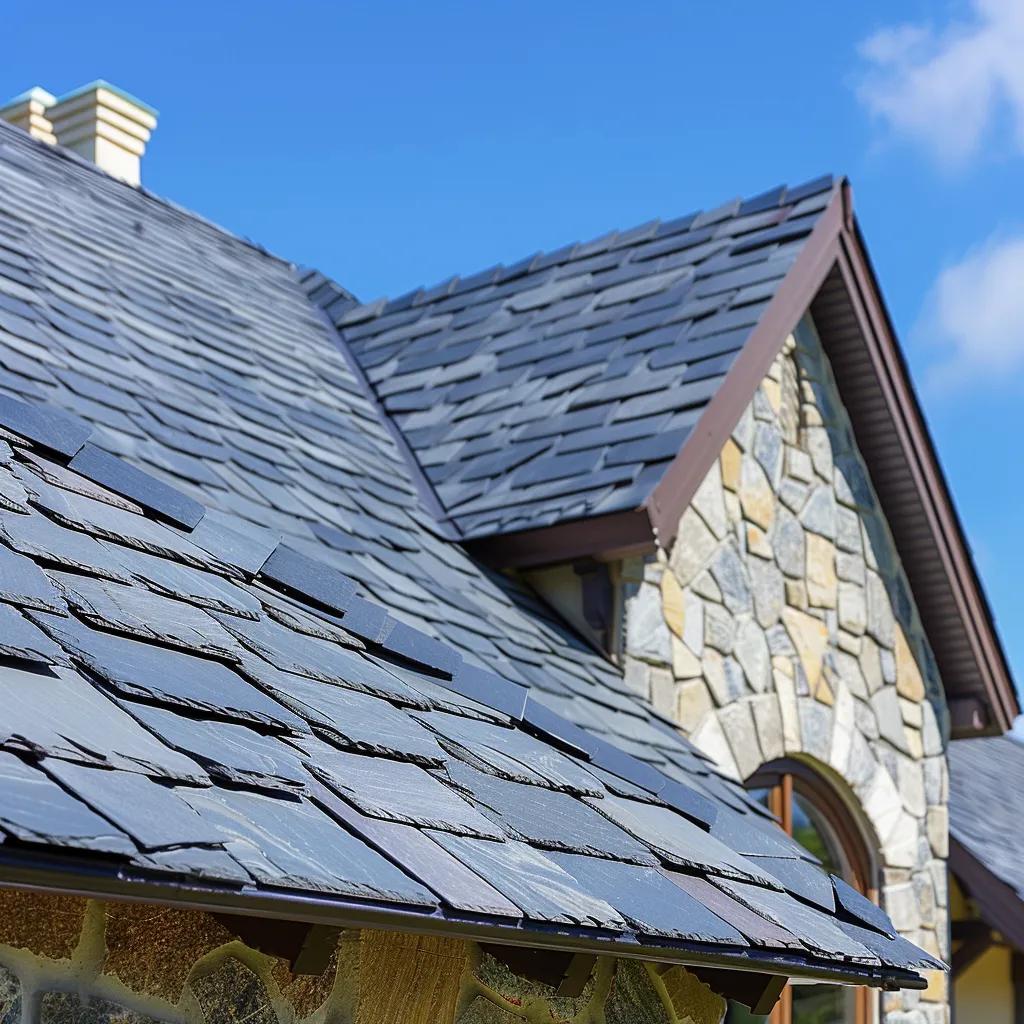
Natural slate and clay/concrete tiles offer outstanding longevity and visual appeal—often 75 years or more—but repairs need matched pieces and experienced installers because of weight, brittleness, and underlayment complexity. Spot repairs can work when reclaimed or matching units are available, but a structural check is essential since heavy roofs require adequate support. If you’re after historic character or minimal maintenance over many decades, slate and tile are strong choices—but expect longer timelines and higher costs for sourcing and specialist labor compared with asphalt or metal.
How Do Weather Conditions in Kansas City Impact Roofing Material Choice?
Kansas City’s climate—frequent hail, occasional high winds, hot summers, and freeze–thaw swings—shapes material and repair priorities. Materials with strong impact and wind uplift ratings cut storm‑related failures, while reflective coatings, good ventilation, and proper insulation improve energy performance across seasons. Correct underlayment, flashings, and secure fastenings reduce climate‑driven wear and lower long‑term repair needs. The sections below rank hail‑resistant options and explain how energy efficiency affects roofing decisions for KC homes.
Which Roofing Materials Offer the Best Hail and Storm Resistance?
Hail and storm resistance focus on impact ratings (Class 3 vs. Class 4) and material toughness. Class 4 asphalt, metal roofing, synthetic slate, and concrete tiles are usually top performers against hail. Metal may dent but often stays watertight, while Class 4 asphalt and composite products are engineered to resist shingle fracture. After a storm, repair versus replace depends on material type, how many shingles are lost, and the condition of the decking underneath. Always document damage, verify impact ratings on existing materials, and choose contractors who check for both visible and hidden water intrusion.
Top recommended materials for hail‑prone areas:
- Class 4 Impact‑Rated Asphalt Shingles
- Standing‑Seam Metal Roofing
- Synthetic/Composite Slate with Class 4 Ratings
- Concrete or Clay Tiles (high mass)
Post‑hail repairs should prioritize restoring watertightness and replacing compromised components to prevent secondary damage from leaks.
Testing Impact‑Resistant Asphalt Shingles for Hail Damage
A National Weather Service committee review prompted tests to find the hail sizes that start to damage common roofing materials. The testing team used simulated hail (ice projectiles) and mechanical launchers to reproduce impacts and then compared results with field observations. Five shingle designs from four manufacturers—advertised with UL‑2218 ratings—were tested using steel ball bearing drops per UL‑2218 and ice impacts per ANSI FM‑4473. After inspection against pass/fail criteria, the team reported that none of the five shingles fully met both standards, raising questions about current impact‑resistant shingle performance.
Testing of Impact‑Resistant Asphalt Shingles, 2020
How Does Energy Efficiency Factor Into Roofing Material Selection for KC Homes?
Energy‑efficient roofing lowers cooling loads in hot summers and helps stabilize attic temperatures in winter. Reflective coatings, light‑colored tiles, and metal roofs with high solar reflectance are common ways to reduce heat gain. Proper ventilation and adequate insulation work with roofing material to control moisture and limit thermal stress that accelerates aging. When repairing, consider cool‑roof coatings for metal or reflective asphalt options to improve comfort and cut operating costs. These measures often produce measurable comfort and savings over the roof’s life.
What Are the Best Roofing Repair Materials and Techniques for Common Issues?
Good repairs start with the right materials and a clear method for each failure type: leaks, flashing failures, hail damage, and fastener corrosion all need specific products and steps. Repair materials should be compatible with the substrate—non‑reactive metals and proper sealants avoid galvanic corrosion and premature failure. The practical table below maps common repair items to use cases and compatibility to simplify planning and contractor conversations.
| Repair Item | Best Use Case | Compatibility with Materials |
|---|---|---|
| Polyurethane Roof Sealant | Flashing joints and small gaps | Works with asphalt, composite, and primed metal surfaces |
| Metal Flashing (aluminum/copper) | Valleys, chimneys, roof/wall transitions | Match metals when possible to avoid galvanic issues; copper for premium applications |
| Stainless/Galvanized Roofing Nails | Shingle fastening and replacements | Stainless for higher‑corrosion areas; hot‑dipped galvanized suits most asphalt jobs |
| Synthetic Underlayment | Reroofing and valley protection | Compatible with modern roofing materials; adds tear resistance |
Use this compatibility guide with your contractor to choose repair components that reduce future failures and ensure a watertight result. The next sections cover recommended sealants, fasteners, and workflows for hail and leak repairs.
Which Sealants, Flashing, and Nails Are Most Effective for Roof Repairs?
Correct sealants, flashing, and fasteners stop recurring leaks and lengthen repair life. Silicone or polyurethane sealants work well for flexible joints; roofing mastics are useful for shingle repairs. Choose flashing materials—aluminum, copper, or lead‑free alloys—based on aesthetics and corrosion risk; avoid mixing dissimilar metals without isolation to prevent galvanic corrosion. For fasteners, stainless steel or hot‑dipped galvanized nails cut down rust staining and holding loss. Using the right nail length and head style and following manufacturer fastening patterns ensures secure anchoring and longer sealant life.
How Are Hail Damage and Leak Repairs Best Addressed with Specific Materials?
Start with a proper assessment: secure temporary tarps to stop water entry, document damage for insurance, then decide spot repair versus section‑level replacement based on material type and decking condition. For asphalt, replace fractured shingles and reseal flashings; for metal, straighten and reseal panels when the protective coating is intact or replace panels where the coating is breached. Tile and slate repairs usually need matched pieces and careful handling to avoid breakage. Thorough documentation and conservative repair choices reduce hidden moisture risk and avoid repeat calls to the contractor.
Immediate post‑storm checklist:
- Immediate post‑storm checklist: Protect interiors with tarps or temporary coverings. Document visible damage with photos and notes for insurance. Hire a qualified assessor to inspect decking, flashings, and underlayment. Prioritize watertight repairs to prevent secondary issues like mold.
If repair work is beyond your comfort level, bring in a professional to ensure a long‑lasting fix.
Beyond roofing, larger home projects often include structural and aesthetic updates. If you’re considering more extensive remodeling, understanding the full scope—from interior renovations to exterior improvements—helps ensure a cohesive, durable result. Bigger projects benefit from a contractor with broad experience.
Why Choose Ryan Construction Systems Inc. for Your Kansas City Roofing Repairs?
Ryan Construction Systems Inc. has repaired and replaced roofs in the Kansas City area since 1986. Based in downtown historic Parkville, Missouri, our licensed roofers and construction specialists take pride in quality craftsmanship and straightforward service. Roofing is our core expertise, and we also provide full construction services and solar roofing solutions. For reliable roof replacements, repairs, and home remodeling, Ryan Construction is a local company you can trust. (ryanconstructionsystems.com)
We aim to stand out where many contractors fall short—by delivering consistent, high‑quality work and respectful customer service. At Ryan Construction Systems, your satisfaction is our priority. We back our work with industry certifications—like GAF—and a Better Business Bureau A+ rating. (ryanconstructionsystems.com)
Ready to talk about your roof or remodeling project? Call Ryan Construction Systems, Inc. at 816‑741‑1941 to reach one of our experts. We’re here to answer questions, provide a professional estimate, and help complete your project on time and on budget. (ryanconstructionsystems.com)
How Does GAF Certification Demonstrate Roofing Expertise and Reliability?
GAF certification shows a contractor has completed manufacturer training, follows recommended installation practices, and can install manufacturer‑backed warranties homeowners rely on. Certification links installer skill to specific products—important for systems like impact‑rated shingles or multi‑layer underlayments—and gives homeowners clearer warranty options if issues arise. When choosing a contractor, ask about certifications to better understand installer qualifications and reduce installation risk.
What Benefits Do Homeowners Gain from Ryan Construction’s Whole House Concept?
Our Whole House Concept coordinates roofing work with ventilation, insulation, and exterior finishes so repairs and upgrades perform together, not in isolation. That holistic approach reduces the chance of piecemeal fixes leaving related systems underperforming and often improves comfort and energy costs by aligning roof choices with attic and envelope improvements. Homeowners get a single point of coordination and expert recommendations that prioritize durable, climate‑appropriate materials for Kansas City homes. Contact Ryan Construction Systems Inc. for a tailored assessment or estimate. (ryanconstructionsystems.com)
Frequently Asked Questions
1. What factors should I consider when choosing roofing materials for my home?
Consider durability, upfront cost, climate resilience, and maintenance needs. Look at expected lifespan, impact and wind resistance, and how often materials need service. Also weigh local weather risks—like hail and freeze‑thaw cycles—and your long‑term budget to balance initial expense against future repair and replacement costs.
2. How can I improve the energy efficiency of my roof?
Choose reflective materials or coatings to reduce heat absorption. Light‑colored tiles or metal with high solar reflectance help keep the house cooler. Pair roofing choices with proper attic ventilation and insulation to stabilize temperatures and lower heating and cooling bills. These combined measures often deliver noticeable comfort and cost savings.
3. What are the best practices for maintaining my roof?
Regular care extends roof life. Schedule annual inspections, clear debris from valleys and gutters, and address leaks or missing shingles promptly. Check flashings and sealants and trim tree limbs that can damage shingles. A proactive maintenance plan keeps small issues from becoming major repairs.
4. How do I know if my roof needs to be repaired or replaced?
Decide based on the roof’s age, extent of damage, and material type. Nearing the end of expected life with multiple issues often means replacement is more cost‑effective. If damage is localized and the roof is relatively new, targeted repairs may be enough. A professional inspection gives the clearest recommendation.
5. What should I do after a severe storm damages my roof?
First, ensure everyone is safe. Use tarps to cover active leaks and prevent further water entry, document damage with photos, and contact your insurance carrier if appropriate. Then hire a qualified roofing contractor to assess decking and flashings and to recommend repairs or replacement. Acting quickly reduces the risk of mold and structural damage.
6. Are there specific roofing materials recommended for hail‑prone areas?
Yes. Materials with high impact ratings perform best: Class 4 impact‑rated asphalt shingles, standing‑seam metal roofing, and synthetic slate with Class 4 ratings are solid choices. Heavy concrete or clay tiles also resist hail due to their mass. Check product ratings and work with local experts to select materials suited to your area’s weather.
7. How can I find a reliable roofing contractor in my area?
Ask neighbors or friends for recommendations, read online reviews, and check credentials on the Better Business Bureau. Confirm the contractor is licensed and insured and has experience with your roof type. Request multiple quotes and references, and choose a contractor who communicates clearly and provides a written scope and warranty information.
Conclusion
Choosing the right roofing materials means balancing durability, cost, and local climate needs—especially in Kansas City. Understanding material tradeoffs helps homeowners make decisions that protect their house and preserve curb appeal. For expert guidance and dependable roofing solutions, contact Ryan Construction Systems. We’re happy to review your options and help secure your home with roofing that lasts.