

Key Traits to Look For When Choosing a Reputable Residential Roofing Contractor
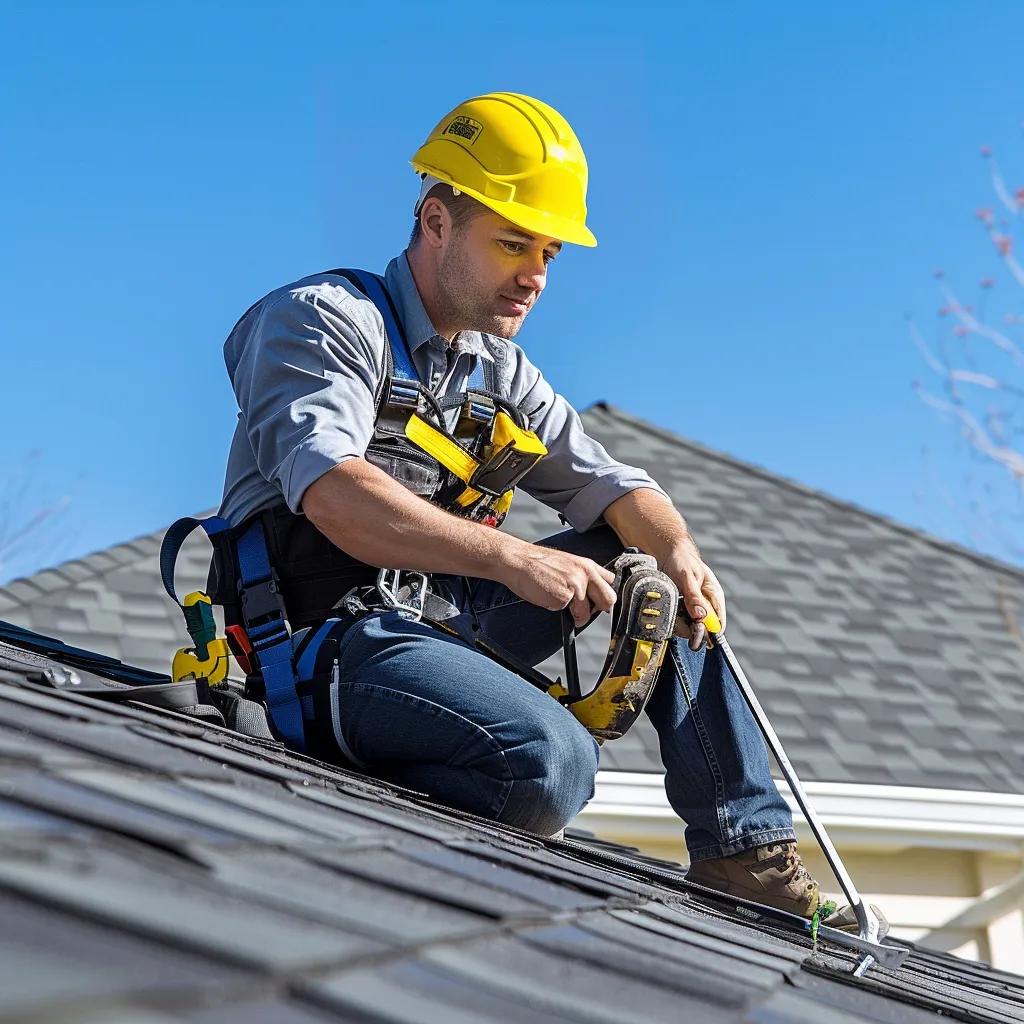
A reputable residential roofing contractor is a licensed, insured pro who installs and repairs roofs to protect your home’s structure, value, and the people who live there. Picking the right contractor reduces financial exposure, prevents avoidable damage, and helps ensure materials and workmanship meet manufacturer requirements and local building codes. This guide walks Kansas City homeowners through the qualities to prioritize when hiring a roofer—what documents to verify, how warranties differ, and how to spot warning signs. You’ll get practical checklists, sample questions to ask, and clear comparisons so you can hire a residential roofer that protects both your investment and your peace of mind. Read on for a straightforward, step-by-step approach to hiring a residential roofer.
Why Choosing the Right Residential Roofing Contractor Matters for Your Home
Your roof affects structural soundness, household safety, and curb appeal. Choosing the right contractor means using the right materials, getting proper installation, and following local codes—steps that cut the chance of leaks, wind damage, and early wear. For Kansas City homes, that often means prioritizing impact- and wind-resistant options and secure fastening to withstand storm seasons. A reputable contractor also helps you avoid voided warranties and subcontractor lien risks, and makes permitting and inspections run smoother. Knowing what’s at stake helps you ask better questions and pick a provider who will protect your home over the long term. Next, we’ll explain how a quality roofer defends your investment through material choices and workmanship standards.
How a Quality Roofer Protects Your Kansas City Home Investment
A good roofer matches materials and installation methods to local weather and building rules. They check roof slope, ventilation, and flashing details to keep moisture out and recommend storm-rated shingles or alternatives when appropriate. Correct underlayment, properly driven fasteners, and careful flashing around vents and chimneys lower the risk of wind-driven rain and hail damage and extend the roof’s lifespan. A thorough crew documents the job with photos and notes to back warranty claims and resale disclosures. Those practices limit repeat repairs and help preserve your home’s value—now we’ll look at the risks of hiring someone unreliable.
Roofing is part of your home’s broader exterior system. Many homeowners pair roof work with other exterior projects—like siding, windows, and trim—to improve curb appeal and protect the house from weather.
What Risks Come from Hiring an Unreliable Roofing Contractor?
Hiring an unreliable contractor can lead to poor installation that voids warranties, incomplete cleanup that leaves hazards, or even liens from unpaid subcontractors. Bad workmanship can hide leaks that cause mold and rot, driving repair costs well past the original quote. If a contractor lacks real insurance or falsifies credentials, you could be on the hook for injuries or damage that should have been covered. Knowing these risks up front encourages verification of licenses and insurance, clear contract terms, and written workmanship warranties to protect both your home and your finances. Next, we’ll list the specific licensing and insurance documents you should request and how to verify them.
What Licensing and Insurance Should a Reputable Roofing Contractor Have?

Licensed and insured contractors give you legal protections and business accountability that cut homeowner risk. Key items to request are a state or local contractor license where required, general liability insurance for property damage, and workers’ compensation to cover job-site injuries. Verify credentials by asking for the license number, requesting a Certificate of Insurance (COI) that lists your address as the job site, and calling the insurer or issuing agency to confirm coverage. Keep copies of licenses and COIs in your project file so you can reference them during permitting or warranty claims. Contractors who freely provide documentation and explain how to verify it show transparency—a trait worth paying attention to.
Why Hiring a Licensed Roofing Contractor in Kansas City Is Important
Licensing enforces building-code compliance, construction standards, and proper permit handling—protections that benefit homeowners and future buyers. Licensed contractors are subject to oversight and complaints processes, offering you formal recourse if something goes wrong. Verify licenses with the state licensing board or your local building department and confirm the license covers roofing work. Asking for license information early prevents surprises during permitting and helps ensure your project meets Kansas City requirements. Next, we’ll explain why insurance matters just as much as licensing.
How Comprehensive Insurance Protects You and the Roofing Crew
Insurance separates liability for on-site incidents from the homeowner by placing responsibility on the contractor’s policies. General liability covers accidental property damage—broken gutters or scratched siding—while workers’ compensation covers employee injuries so you aren’t pursued for medical or wage claims. A current COI shows policy limits and effective dates; confirm the COI lists the roofing company’s policy numbers and doesn’t expire mid-project. Requesting and verifying a COI protects you from unexpected liabilities and signals that the contractor runs a responsible business. Verified insurance documentation also makes incident resolution smoother if something happens, which ties into evaluating experience and reputation.
| Credential | Why It Matters | How to Verify |
|---|---|---|
| Contractor License | Shows compliance with local codes and provides accountability | Check with the state or local licensing board or building department |
| General Liability Insurance | Protects against property damage and third‑party injury | Request a Certificate of Insurance and confirm details with the insurer |
| Workers’ Compensation | Prevents homeowner liability for on-site injuries | Ask for COI and verify coverage dates and limits with the carrier |
This checklist clarifies the documents to collect and why each one matters. Once credentials are verified, the next step is evaluating a contractor’s experience and reputation.
How Can You Evaluate a Roofing Contractor’s Experience and Reputation?
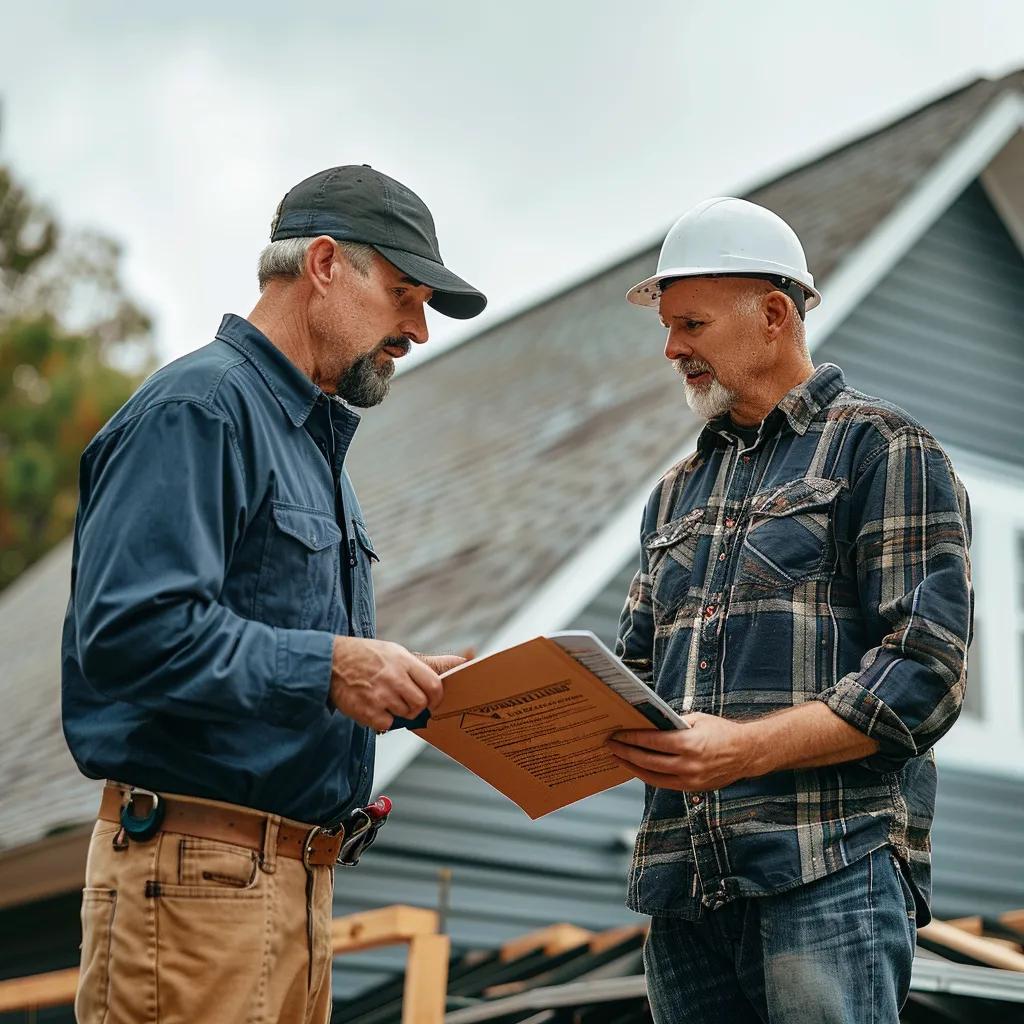
Assessing experience and reputation mixes objective checks—portfolios, certifications, third-party ratings—with subjective signals like responsiveness and clear communication. Look for projects similar to yours in a roofer’s gallery, check manufacturer certifications that show training, and read reviews to spot patterns of resolved or recurring complaints. Ask for recent local references and, when possible, inspect finished work in person or via verified photos. These steps help you confirm the contractor has the right know-how for Kansas City’s weather and code requirements. The following sections explain how to weigh years in business and how to read online reviews.
What Does Over 35 Years of Roofing Experience Mean for Your Project?
Decades in the business bring practical problem-solving, established supplier relationships, and familiarity with local construction patterns—advantages that often improve outcomes. Experienced companies are more likely to notice recurring local issues—like hail damage patterns—and recommend impact-rated shingles or reinforced underlayment when appropriate. Longstanding firms also tend to have training programs and consistent installation standards that help preserve warranties. Longevity by itself isn’t a guarantee, but when it’s backed by photos, references, and clear documentation, it’s a strong positive indicator.
How Do Online Reviews and References Reflect a Roofer’s Reputation?
Reviews and references show how a contractor performs on timing, communication, cleanup, and warranty follow-through. Look for repeated themes—regular praise for punctual crews and tidy job sites is a good sign; recurring complaints about missed deadlines or unresolved punch-list items are red flags. Call provided references and ask specifics about scope, challenges, and warranty handling. Cross-check Google and Better Business Bureau listings with manufacturer endorsements to build a fuller reputation picture. These signals guide you toward contractors who consistently deliver reliable work and support the next topic: why manufacturer certifications matter.
Key review checks to perform when vetting a roofer:
- Check for repeated themes: Identify consistent praise or recurring complaints across reviews.
- Request recent references: Talk to homeowners with similar projects completed in the last few years.
- Verify project photos: When possible, match gallery images to actual addresses to confirm authenticity.
These steps give a practical way to interpret reviews and references. After reputation checks, certifications affect warranty eligibility and installation standards.
Why Are Certifications Like GAF and Owens Corning Important When Hiring a Roofer?
Manufacturer certifications show a contractor completed vendor-specific training, follows installation requirements, and may qualify to offer manufacturer-backed warranties. Certified installers understand product-specific fastening, flashing, and underlayment details manufacturers require to keep warranties valid. Choosing a certified contractor improves the odds of qualifying for extended protection and signals a higher level of workmanship. The table below summarizes common certifications and what they mean for homeowners.
| Certification | What It Indicates | Installation Standards / Benefits |
|---|---|---|
| GAF Certified Contractor | Training on GAF product lines and installation standards | Access to GAF system warranties and recommended quality controls |
| Owens Corning Preferred Contractor | Completion of Owens Corning training and vetting | Eligibility for Owens Corning warranties and installation guidance |
| Manufacturer-Approved Installer | Vendor-specific instruction and potential inspections | Possible extended material warranties and technical support |
This comparison helps you see why certain certifications matter. Next, we’ll explain what being GAF certified typically signals about a contractor’s quality.
What Does Being a GAF Certified Contractor Say About Quality?
GAF certification means the company completed manufacturer training, follows installation best practices, and met GAF’s vetting to participate in certain warranties. Certified crews understand how shingles, underlayment, and ventilation work together to reduce installation-related failures. For homeowners, that increases the chance material warranties remain valid and that installers follow manufacturer-prescribed fastening and flashing patterns. Certification often requires renewal or proof of ongoing standards, which helps maintain consistent quality over time.
How Do Manufacturer Certifications Affect Materials and Workmanship?
Certifications influence both material availability and the workmanship standards needed to keep warranties in force. Certified contractors can often install product lines that non-certified installers cannot register for extended warranties, and they have access to technical support for complex jobs. Manufacturers’ installation checklists—proper underlayment, fastener schedules, and ventilation—help avoid warranty denials when followed. Choosing a certified installer protects your material investment and aligns installation with manufacturer expectations, which leads us to the next topic: transparent pricing and communication.
How Do Transparent Pricing and Clear Communication Impact Your Roofing Project?
Clear pricing and communication reduce scope creep, lower the chance of disputes, and set shared expectations so projects finish on time and within budget. An itemized estimate spells out labor, materials, permit fees, disposal, and contingencies so you can compare bids fairly and spot unusually low offers. Contracts should define scope, timeline, payment schedule, cleanup responsibilities, and change-order procedures to avoid surprises. Regular, documented communication—daily progress notes, a single point of contact, and written approvals for changes—keeps everyone aligned and supports smoother permitting and inspections. With transparent pricing and open communication, warranty claims and post-installation follow-up become far easier to manage.
What Should You Expect in a Detailed Roofing Estimate and Contract?
Expect an itemized estimate listing materials (shingles, underlayment, flashing), labor, permit fees, dumpster or disposal charges, and any specialty work like ventilation upgrades or ice-and-water shield. Contracts should state start and completion dates, payment milestones tied to deliverables, cleanup and safety responsibilities, and how warranty documents will be provided at job completion. Avoid vague language like “work to be done” without specifics; insist on brand names and whether nails, fasteners, and flashings meet product recommendations. A clear contract also spells out subcontractor arrangements and lien waiver procedures to protect you from unexpected claims. These details help you compare bids and choose the best overall value.
A short checklist of contract and estimate essentials:
- Itemized materials and labor: Line items that make bids comparable.
- Timeline and payment schedule: Milestones tied to completed work.
- Cleanup and disposal terms: Who restores the job site when work is done.
- Warranty delivery and transferability: How warranty paperwork is handed over and whether it transfers on sale.
Reviewing these points reduces ambiguity and sets expectations for reliable warranty coverage.
How Does Effective Communication Ensure a Smooth Roofing Experience?
Effective communication surfaces problems early, records approvals, and keeps homeowner and contractor on the same page. A single point of contact reduces miscommunication between crews, suppliers, and inspectors. Regular status updates—by email or written notes—create a record useful for warranty claims or change orders. The contract should describe escalation steps for unforeseen issues (for example, hidden decking damage) so approvals and repairs don’t stall the job. Good communication during the project correlates strongly with successful warranty follow-through and higher homeowner satisfaction.
What Warranties and Guarantees Should a Reputable Roofing Contractor Offer?
A reputable contractor helps you secure both manufacturer material warranties and a written workmanship warranty from the installer—and explains how they interact. Material warranties cover manufacturer defects in shingles and components; workmanship warranties cover installation errors like improper flashing. Ask for written warranty terms, whether warranties are transferable at resale, and how to file a claim. Know common exclusions (wind or hail limits, required maintenance) so expectations are realistic. The table below compares common warranty types to simplify decisions.
| Warranty Type | Issuer / Scope | Typical Duration / What It Covers |
|---|---|---|
| Material Warranty | Manufacturer — covers defects in shingles and components | Typically 20–50 years depending on product; does not cover installation errors |
| Workmanship Warranty | Contractor — covers installation errors and workmanship defects | Often 1–10 years; terms vary and may be transferable |
| System Warranty | Manufacturer + Contractor cooperation — covers the full roofing system | Varies by product; usually requires a certified installer and registration |
Use this comparison to request the right paperwork and ask targeted questions during proposals. Next, we’ll clarify the practical differences between material and workmanship warranties.
What Are the Differences Between Material and Workmanship Warranties?
Material warranties come from manufacturers and protect against product defects—premature granule loss or manufacturing flaws—while workmanship warranties come from the installer and cover installation mistakes. Material warranties often require correct installation by a certified contractor and may be prorated over time; workmanship warranties usually have fixed terms and cover labor to correct installation problems. Request written warranty certificates that list exclusions, maintenance needs, and transfer procedures. Keeping project records, permits, and pre/post photos will strengthen any future claims under either warranty.
How Can Warranty Terms Give You Peace of Mind After Installation?
Warranty terms give peace of mind when you understand coverage limits, keep organized records, and know how to file a claim. Save the contract, registered manufacturer warranty, proof of purchase, and job completion photos to simplify claims. Ask if warranties transfer to a new owner and note any maintenance required to keep coverage valid. A clear warranty contact and timeline helps ensure issues are handled quickly and reduces the chance of unresolved defects. Proper documentation puts you in the best position to enforce coverage and keep your roof performing long-term.
How Does Hiring a Local Kansas City Roofing Contractor Benefit Your Project?
Hiring a local Kansas City contractor brings advantages in code knowledge, climate-appropriate recommendations, and faster follow-up for warranty or storm-related work. Local firms understand regional permit processes, inspector expectations, and common neighborhood details that affect flashing, ventilation, and fastening. Proximity shortens response times after hail or wind events and makes scheduling inspections and warranty visits easier. Choosing a nearby provider also makes it simpler to verify references and see finished projects in person—helping you confirm the contractor’s track record. These local benefits directly affect technical choices on a roofing job.
Why Is Familiarity with Kansas City Codes and Climate Important?
Local code and climate knowledge ensures details like wind-uplift ratings, impact resistance, and ventilation meet municipal and manufacturer requirements. Codes influence acceptable flashing methods, nail patterns in high-wind areas, and permit filing steps—errors can delay or invalidate work. Kansas City’s hail and storm exposure makes impact-resistant products and secure fastening smart investments to reduce future damage and insurance claims. Ask contractors how they meet code requirements and what steps they take for hail- and wind-prone roofs to confirm technical competence.
How Does Local Presence Improve Service and Response Times?
Local presence shortens travel time, enabling quicker emergency repairs and in-person warranty inspections. A neighborhood crew can re-check installations after severe weather and coordinate with inspectors and suppliers faster. Proximity also reduces logistics for follow-up touch-ups or additional upgrades discovered during the project. Expect realistic response-time commitments in the contract and a clear process for urgent repairs to ensure dependable post-installation support. After weighing local advantages, the next section covers warning signs and vetting questions to avoid poor providers.
Reasons to prefer a local contractor:
- Faster emergency response: Shorter travel time after storms.
- Easier verification of references: Nearby projects you can inspect in person.
- Better code and climate knowledge: Practical recommendations based on local experience.
These practical advantages make local providers a strong choice when paired with verified credentials and a solid reputation.
What Are Common Red Flags to Avoid When Hiring a Residential Roofing Contractor?
Spotting red flags early helps you avoid unreliable roofers and the financial and safety fallout that can follow. Watch for hard-sell tactics, demands for large upfront cash without a written contract, refusal to show license or insurance, and vague or incomplete estimates. Bids far below market rates often mean skipped steps or cheap materials that can void warranties and raise long-term costs. Insist on written contracts, documented warranties, and verifiable references to minimize risk. The sections that follow highlight specific warning behaviors and direct questions that reveal contractor reliability.
Which Warning Signs Point to an Untrustworthy Roofing Company?
Warning signs include refusing to provide written estimates, hiding a Certificate of Insurance or license, and pressuring you to decide immediately. Other red flags are demands for full payment up front, no verifiable references or portfolio, and evasive answers to technical warranty questions. If a contractor uses aggressive tactics—like “limited-time” discounts tied to storm damage—pause and verify credentials independently. Recognizing these behaviors helps you eliminate risky bidders and choose firms that offer clear documentation and accountable practices.
What Questions Should You Ask to Spot Potential Roofing Scams?
A short question list can expose scams and clarify capability during early conversations: ask for license numbers, insurance carrier names and a COI, recent local references, and specifics about warranty terms and installation methods. Request a written, itemized estimate and ask how they handle surprises like rotten decking or permit delays—legitimate contractors will explain change-order procedures and written approvals. Confirm whether certified installers will perform your work and whether manufacturer warranties require post-installation registration. Finally, ask where to see recent project photos and how the company handles post-installation warranty service. These questions reveal gaps and help you select a responsible contractor.
- License and insurance verification: What is your license number and can you provide a COI?
- Warranty specifics: Who issues the material and workmanship warranties, and are they transferable?
- References and portfolio: Can you provide recent, local references or show completed projects?
Asking these targeted questions and requiring documentation filters out many common scams and points you to contractors who stand behind their work.
If you’re ready to move forward, request a free estimate from a local, certified provider that can show licensing, insurance, manufacturer certifications, and verifiable references. Ryan Construction Systems Inc., serving the Kansas City metro, is one local example that lists GAF Certified Contractor and Owens Corning Preferred Contractor credentials and maintains an A+ Better Business Bureau rating. They can provide licensing and insurance documents on request and share project galleries and reviews for verification. If you want a contractor with manufacturer certifications and local experience, ask for documentation and a written, itemized estimate before you commit.
Frequently Asked Questions
What should I look for in a roofing contractor’s portfolio?
Focus on projects that match your roof type and complexity. Look for consistent quality in photos, before-and-after examples, and any notes about special challenges or materials. A solid portfolio shows relevant experience and familiarity with local codes and climate conditions.
How can I ensure my roofing contractor is following safety protocols?
Ask about the company’s safety training, whether they have a designated safety officer, and how often they hold safety meetings. Request proof of safety certifications and workers’ compensation coverage. During the job, observe whether crews use harnesses, helmets, and maintain a tidy site—those are good signs they take safety seriously.
What are the benefits of hiring a certified roofing contractor?
Certified contractors have vendor-specific training, which often qualifies them for manufacturer warranties and signals they follow industry standards. That training improves workmanship, reduces installation errors, and gives you better protection if a material defect or installation issue arises.
How can I verify a contractor’s references effectively?
Call previous clients and ask about timeline adherence, quality of work, communication, and how warranty issues were handled. If possible, visit completed projects to inspect workmanship firsthand. Also check online reviews on Google and the Better Business Bureau to get a broader reputation picture.
What should I do if I encounter issues during the roofing project?
Raise concerns with the contractor immediately and document problems with photos and written notes. Most reputable contractors have procedures for resolving issues; follow the contract’s escalation steps if needed. Keep a record of all communications in case you need to pursue warranty claims or further action.
How can I prepare for a roofing project before the contractor arrives?
Clear the work area by moving outdoor furniture and vehicles, and warn neighbors about possible noise and debris. Review your contract and warranty documents so you know what to expect, and designate a single point of contact with the contractor for questions during the project.
Conclusion
Choosing a reputable residential roofing contractor protects your home’s value and ensures the work is done right. Prioritize licensed, insured professionals who provide clear estimates, written warranties, and verifiable references. When you’re ready, request a free, itemized estimate from a qualified local contractor to move forward with confidence and safeguard your investment.