

Wood Roof Guide: Costs, Alternatives & Maintenance for Kansas City
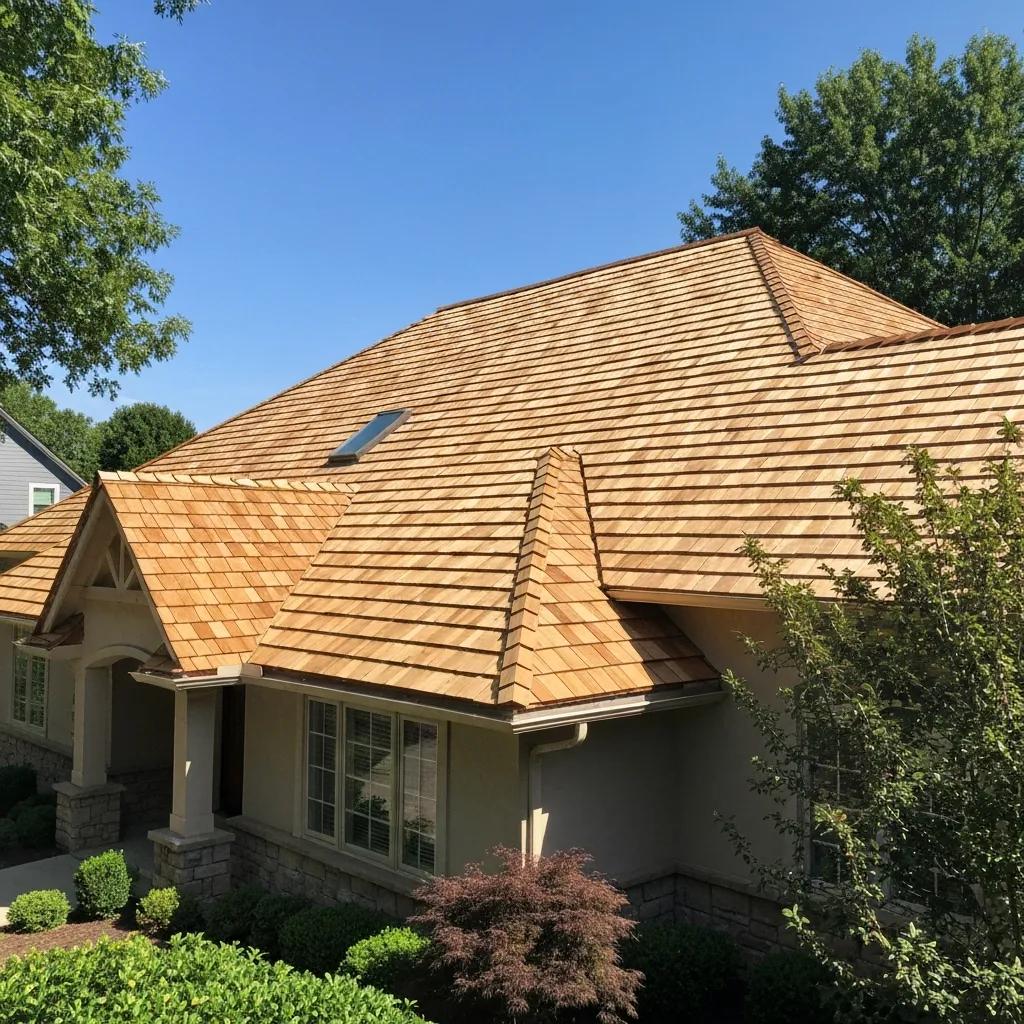
Wood roofing remains a popular choice for homeowners who want the warmth and character that natural materials bring to a home. This guide walks through what wood roof installation and replacement look like, realistic cost expectations for Kansas City properties, how natural cedar compares with modern synthetics like DaVinci and CeDUR, and practical maintenance steps to keep a wood roof performing. We answer common questions about fire risk, upkeep, and when to repair versus replace. You’ll find clear definitions (cedar shakes vs. wood shingles), a straightforward pros-and-cons breakdown, replacement triggers, alternative roofing options with a comparison table, local cost drivers, and a maintenance schedule tailored for Kansas City’s climate. Read on for the installation differences, lifecycle costs, and action steps to protect your investment while keeping the wood look you want.
What Are the Different Types of Wood Roofing Materials?
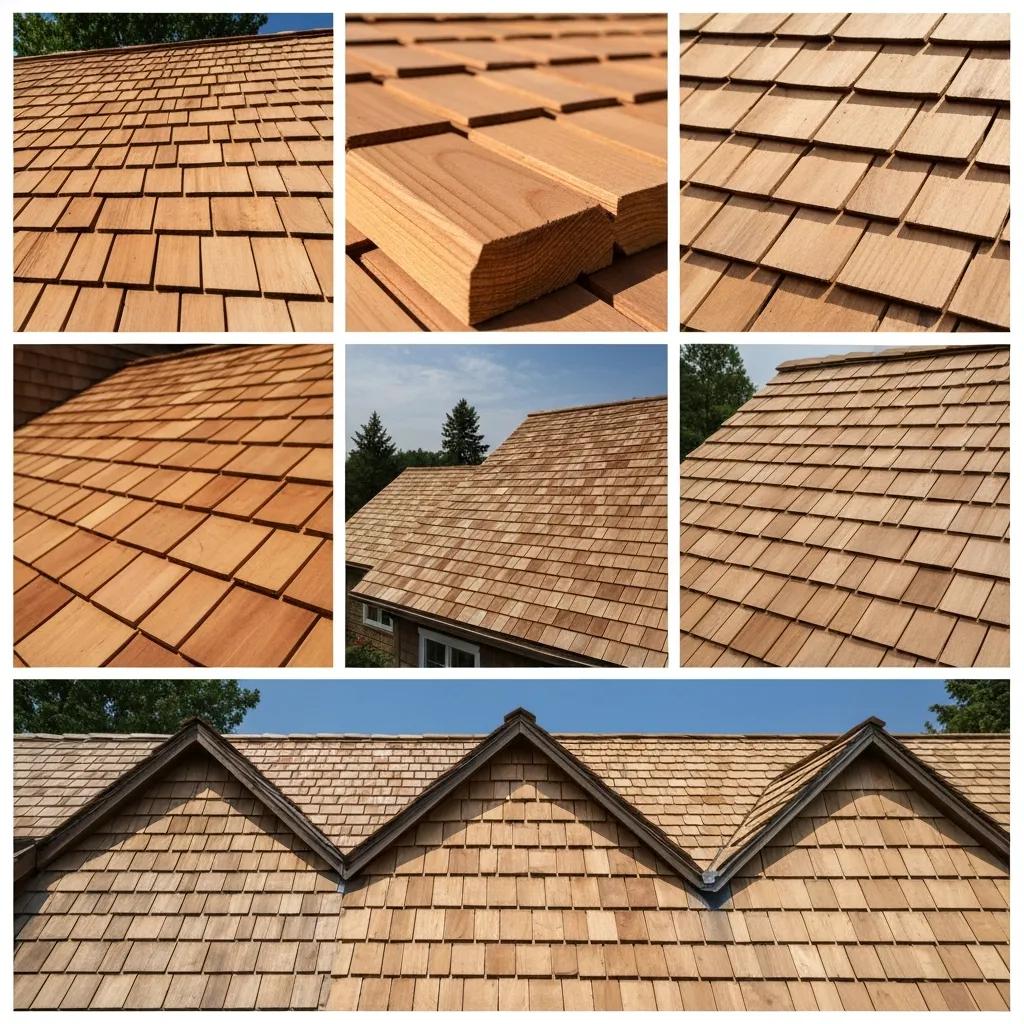
Wood roofing varies by how the pieces are cut, their thickness, and the appearance they create—factors that affect installation and lifespan. Cedar shakes are usually split for a rugged, textured face; wood shingles are sawn for a smoother, uniform profile. Those choices influence exposure, ventilation needs, and fastener patterns. Knowing whether a roof uses cedar shakes, sawn shingles, pine shakes, or redwood helps homeowners anticipate installation steps—underlayment, starter courses, ridge caps—and estimate maintenance schedules. These material differences explain why installation methods and expected service life differ between product types and why many owners consider wood-look alternatives.
What Are Cedar Shakes, Wood Shingles, and Other Wood Roof Options?
Cedar shakes are split from logs, producing varied thickness and a rustic texture favored on historic and craftsman-style homes. Wood shingles are sawn, yielding a more consistent thickness and cleaner look. That split-vs-sawn distinction affects exposure (how much of each piece is exposed), spacing during installation, and susceptibility to curling or splitting. Pine and redwood offer regionally distinct looks but generally require the same underlayment and installation care as cedar to avoid moisture-related decay. Matching material to your home’s style and your tolerance for maintenance helps narrow choices before you compare costs or replacements.
How Do Wood Roof Materials Affect Installation and Longevity?
Material properties determine important installation choices: underlayment type, fastener selection, and attic ventilation strategy. Denser shingles need different nailing patterns than split shakes, and thicker shakes typically have wider exposure so they weather evenly. Correct installation ties together the starter course, underlayment, battens (if used), and ridge cap so the deck and ventilation limit moisture build-up and thermal stress. With proper care, cedar roofs commonly last 30 to 40 years; poor exposure or inadequate ventilation accelerates rot, curling, and early failure. Those differences are key when deciding to keep, repair, or replace a roof.
What Are the Pros and Cons of Wood Roofs for Your Home?
Wood roofs offer distinctive curb appeal and natural insulating qualities, but they also demand more maintenance and raise fire-safety and insurance considerations. Homeowners should balance the aesthetic and thermal advantages against trade-offs like regular treatments, vulnerability to pests and rot, and potential insurance impact. This view helps determine whether wood fits a specific home and budget and prepares you to compare alternatives that replicate the look with improved performance. The next sections break down visual and insulation benefits and then cover safety, durability, and maintenance challenges.
What Are the Aesthetic and Insulation Benefits of Wood Roofs?
Wood roofs bring a warm, textured appearance that complements styles from Craftsman bungalows to rustic cottages and can boost curb appeal and buyer perception. Wood’s natural thermal properties add an insulating layer that, when paired with correct ventilation and underlayment, helps moderate attic temperatures and seasonal comfort. For homeowners prioritizing character and neighborhood fit, those visual and thermal benefits often justify the extra maintenance required to preserve the look.
What Are the Fire, Maintenance, and Durability Challenges of Wood Roofs?
Wood roofing is more vulnerable than non-combustible materials to fire, rot, mildew, and insect damage, which leads to specific maintenance cycles and insurance implications. Typical upkeep includes treatments, moss and debris removal, and periodic inspections—often annually or every few years depending on local conditions—to check for curling, splits, and moisture intrusion. Durability concerns include edge checking, nail pull-through, and localized rot that can affect decks and flashing if not addressed. These risks are why many homeowners consider alternatives that preserve the wood look while reducing maintenance and improving fire performance.
When and Why Should You Consider Wood Roof Replacement?
Replacement becomes the practical choice when signs and performance problems show repairs won’t provide reliable, long-term protection. Major indicators include widespread rot, repeated leaks, extensive curling or missing shakes, and interior staining that points to deck or underlayment damage. Replacing the roof improves safety—especially if you choose fire-rated alternatives—restores curb appeal, and can make resale easier by removing ongoing maintenance headaches. The checklist below helps decide between repair and replacement and explains how your choice affects safety and home value.
What Are the Signs Your Wood Roof Needs Replacement?
Look for these observable signs: pervasive curling or splitting, several missing shakes, visible rot at eaves or valleys, persistent interior leaks, and broad moss or fungal growth. Functional signals include frequent patch repairs, higher energy bills from poor attic ventilation, and repeated insurance claims for roof damage—these suggest system-wide issues rather than isolated failures. Homeowners can do quick checks—inspect the attic for daylight, moisture stains, and popped nails—to catch problems early and determine whether a professional evaluation is needed.
How Does Wood Roof Replacement Improve Safety and Home Value?
A replacement reduces fire exposure when you select fire-rated materials, which can lower perceived insurance risk and attract buyers who want low-maintenance exteriors. A new roof restores watertight integrity, cuts long-term repair cycles, and refreshes curb appeal—factors that affect buyer interest and resale value. Upgrading to synthetic shakes or high-quality architectural shingles often brings better warranties and more predictable lifecycle costs, translating to greater lifetime value for the homeowner. Those safety and value benefits make replacement easier to justify when the existing roof shows widespread degradation.
For homeowners ready to explore replacement options, Ryan Construction Systems Inc. provides wood roof replacement services and synthetic alternatives across the Kansas City Metro Area. We serve Gladstone, Liberty, Overland Park, Parkville, Shawnee, and surrounding communities. Our experience with natural and synthetic shake installations is backed by certifications and local recognitions—GAF Certified Contractor, Owens Corning Preferred Contractor, an A+ BBB rating, and HomeAdvisor approval—credentials that help homeowners find a reliable local installer. If you recognize the signs above, request an inspection and estimate to restore safety and value.
What Are the Best Alternatives to Natural Wood Roofs?
Several modern alternatives mimic wood’s look while offering better fire resistance, longer lifespans, and less maintenance: synthetic cedar shakes (DaVinci, CeDUR), architectural asphalt shingles with wood-like blends, and stone-coated steel or metal profiles styled like shakes. Each sits at a different balance of performance and price: synthetics match the look with improved durability and fire ratings, architectural asphalt lowers upfront cost and installs quickly, and stone-coated steel prioritizes long life and wind resistance. Compare fire rating, maintenance, warranty, expected lifespan, and cost per square foot when choosing the best fit for your Kansas City home and applicable local codes. The sections below compare synthetics to natural wood and summarize asphalt and metal options, then contrast the core homeowner concerns—fire, maintenance, and cost.
How Do Synthetic Cedar Shake Roofs Compare to Natural Wood?
Synthetic cedar shakes from manufacturers like DaVinci and CeDUR are engineered to capture wood’s texture and color variation while offering higher impact resistance, Class A fire ratings in many assemblies, and reduced routine maintenance. These products commonly carry long warranties (often 30–50 years) and resist rot, insects, and severe splitting. Although upfront material cost is usually higher, lower maintenance and fewer replacements often make synthetics more economical over a 20–30 year horizon. Review warranty terms and local installer experience to confirm a synthetic product meets both aesthetic and durability goals.
What Are Other Wood Roof Alternatives Like Asphalt and Metal with Wood Aesthetics?
Architectural asphalt shingles that mimic wood patterns provide a budget-friendly way to get a warm, shingle-like appearance with simpler installation and broad contractor familiarity. Metal and stone-coated steel offer excellent longevity, wind resistance, and low maintenance while using profiles and textures that resemble shakes. Asphalt tends to have a shorter lifespan (15–30 years) and varying fire performance compared with premium synthetics or metal. Stone-coated steel and profiled metal can convincingly emulate wood while providing a non-combustible surface and long service life—good options where fire safety and lifecycle cost are priorities. Your choice should reflect budget, desired lifespan, and how closely you want to match a wood aesthetic.
How Do Fire Resistance, Maintenance, and Cost Differ Among Alternatives?
Fire resistance, maintenance frequency, and lifecycle cost are the primary attributes to compare. Synthetic cedar shakes usually offer strong fire ratings and low maintenance but carry higher upfront cost. Architectural asphalt is less expensive initially with moderate maintenance needs and variable fire performance. Stone-coated steel delivers top durability and fire resistance with higher initial investment. Consider insurance impacts, warranty length, and long-term maintenance budgets—alternatives tend to trade recurring upkeep for higher upfront capital, often lowering total cost of ownership over 20–30 years. Comparing these factors side-by-side helps match the right option to homeowner priorities and Kansas City climate demands.
Our goal is to help homeowners evaluate alternatives and generate informed leads by sharing useful information about available services, demonstrating expertise, and encouraging contact for estimates.
Introductory comparison table: alternatives and homeowner-impact attributes.
| Material Option | Key Performance Attribute | Typical Homeowner Impact |
|---|---|---|
| Natural wood (cedar) | Visual authenticity; moderate lifespan (30-40 years) | High aesthetic value; higher maintenance frequency |
| Synthetic cedar (DaVinci, CeDUR) | High fire resistance; long warranty (30-50 years) | Lower maintenance; higher upfront cost; improved longevity |
| Architectural asphalt | Lower cost; easy installation | Shorter lifespan (15-30 years); moderate maintenance; budget-friendly |
| Stone-coated steel/metal | Non-combustible; excellent durability | Low maintenance; higher initial investment; long lifespan (40+ years) |
This table shows how synthetics and metal trade higher initial cost for reduced upkeep and improved safety, helping homeowners align choices with long-term value.
How Much Does Wood Roof Installation and Replacement Cost in Kansas City?
Local pricing depends on material choice, labor rates, tear-off and disposal, roof complexity, and any permit or structural repairs—factors that create a site-specific estimate. For Kansas City homeowners, per-square-foot ranges vary by whether you choose natural wood, synthetic cedar, or architectural asphalt. Synthetic products usually cost more up front but can lower lifecycle maintenance expenses. Understanding these cost drivers helps you compare apples-to-apples proposals from contractors. The breakdown below clarifies how each element affects price and how synthetic alternatives may create long-term savings despite higher initial investment.
What Factors Influence Wood Roof Replacement Costs?
Several elements shape the final estimate: material selection, labor complexity, roof pitch and access, tear-off and disposal of existing roofing, structural repairs, and permit or inspection fees. Material choice—authentic cedar versus synthetic products—often creates the largest swing in per-square-foot cost. Labor rises with steep pitches, intersecting planes, and architectural details. Removing and disposing of old roofing adds to short-term costs, and hidden rot discovered during replacement can require deck repair and raise the total. Clear, itemized estimates help homeowners compare proposals and avoid surprises.
Cost factor breakdown table:
| Cost Factor | Typical Explanation | Impact on Final Price |
|---|---|---|
| Material | Type and quality (wood, synthetic, metal) | High — changes per-sq-ft cost significantly |
| Labor | Installation complexity and crew rates | High — steep roofs and details increase hours |
| Tear-off & Disposal | Removal of existing roofing | Medium — disposal fees and safety measures |
| Structural Repairs | Deck replacement, flashing upgrades | High — unexpected repairs elevate cost |
| Permits/Inspections | Local code compliance in Kansas City | Low to Medium — varies by municipality |
How Do Synthetic Alternatives Offer Long-Term Savings?
Synthetic shakes and durable metal options usually reduce routine maintenance, lower the frequency of full replacement, and can reduce insurance exposure tied to fire risk—creating lifecycle savings over 20–30 years. When you model conservative lifecycle costs, the higher up-front material cost is offset by fewer repairs, longer warranties, and extended replacement cycles. Less frequent maintenance (fewer treatments, no rot repairs) also saves time and recurring expense, making synthetics appealing to homeowners who want predictable, long-term performance. A 30-year comparison often shows that paying more today can be a financially prudent decision for lower ongoing maintenance and greater resilience.
How Can You Maintain and Repair a Wood Roof to Extend Its Life?
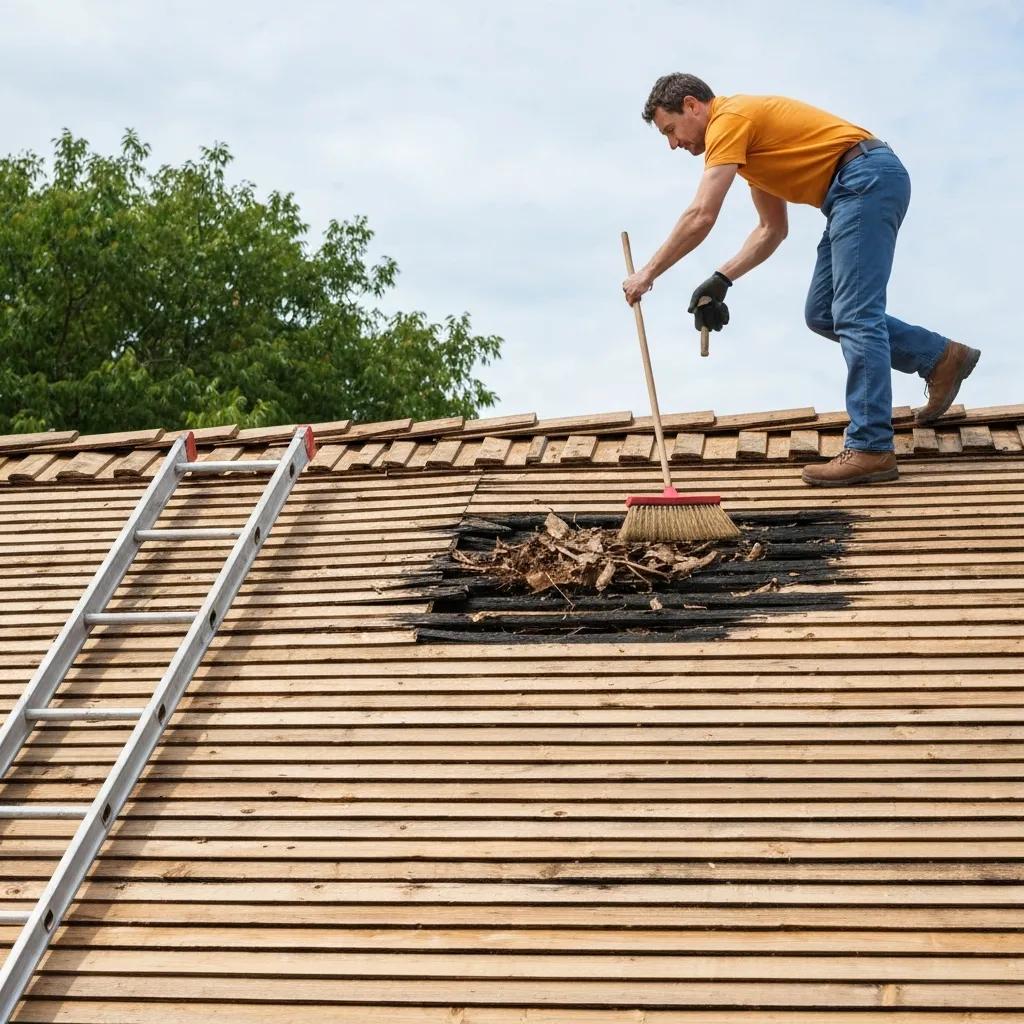
Maintaining a wood roof combines regular cleaning, targeted treatments, timely repairs, and professional inspections to slow deterioration and prevent leaks. Seasonal checks—clearing valleys and gutters, managing nearby vegetation, and addressing minor damage quickly—help avoid deck or structural problems. A clear maintenance schedule assigns tasks and signals when to call a pro; the table below lists common tasks, how to do them, and recommended frequencies to keep a wood roof serviceable. After the maintenance guidance, we outline thresholds for calling a professional in the Kansas City area.
What Are Essential Wood Roof Maintenance Tips for Homeowners?
Key maintenance tasks include removing debris, controlling moss and algae, checking flashing and vents, replacing damaged shakes, and ensuring attic ventilation is working properly to prevent trapped moisture. Trim overhanging branches to reduce shade and debris that encourage moss growth. Remove loose debris monthly during active seasons and avoid pressure washing, which can damage shake faces. Periodic application of appropriate wood preservatives and fungicides—used according to product instructions—can slow rot and mildew when part of a full maintenance plan. Following these steps reduces localized failures and delays larger repairs or early replacement.
Maintenance schedule table:
| Maintenance Task | How to Perform | Recommended Frequency |
|---|---|---|
| Debris removal | Manually remove leaves and branches from roof and gutters | Monthly during fall/spring |
| Moss/algae control | Apply recommended preservative; gently brush affected areas | Annually or as needed |
| Inspection | Check flashing, vents, and attic for leaks | Semi-annually |
| Replace damaged shakes | Remove and install matching pieces; seal edges as needed | As damage appears |
| Ventilation check | Verify attic ventilation and insulation levels | Annually |
When Should You Call a Professional for Wood Roof Repair in Kansas City?
Call a professional for recurring leaks, visible structural rot, widespread shake loss, or when damage exceeds safe DIY repair. Licensed contractors can assess the roof deck, flashing, and code compliance, and they’ll spot hidden issues—compromised underlayment or ventilation problems—that are easy to miss. A professional assessment typically includes a roof walk, attic inspection, and a written proposal listing materials and labor so you can make an informed choice between repair and replacement. If you need a certified local installer or a detailed estimate, reach out to an experienced contractor for a safe, code-compliant solution.
If you’re ready to move from research to action, Ryan Construction Systems Inc. serves the Kansas City Metro Area with wood roof replacements and synthetic alternatives. Call (816) 741-1941 to schedule an inspection and get an estimate tailored to your home and budget.
Essential homeowner maintenance list recap:
- Monthly debris checks: Remove leaves and twigs to prevent moisture traps.
- Annual moss control: Apply approved treatments to inhibit fungal growth.
- Semi-annual inspections: Check flashing, vents, and attic for leaks.
- Prompt shake replacement: Replace damaged pieces before rot spreads.
Quick signs-to-action list for homeowners who inspect their roofs:
- Interior water stains: Schedule a professional inspection immediately.
- Widespread curling or missing shakes: Start planning for replacement.
- Visible rot at eaves or valleys: Expect structural repair and higher costs.
This guide brought together material comparisons, installation considerations, cost drivers, and maintenance practices to help Kansas City homeowners decide about wood roof installation, replacement, and alternatives. For professional assistance, estimates, or inspections related to wood roof replacement or synthetic options, Ryan Construction Systems Inc. offers local expertise and installation services; call (816) 741-1941 to request an evaluation and a written estimate.
Frequently Asked Questions
What is the average lifespan of a wood roof compared to synthetic alternatives?
With proper maintenance, cedar shake roofs typically last about 30 to 40 years. Synthetic options like DaVinci and CeDUR often last 30 to 50 years and usually require less upkeep. While wood gives unmatched natural beauty, synthetics deliver added durability and higher fire resistance, making them a strong choice if longevity and lower maintenance matter to you.
How does climate affect the choice of wood roofing materials?
Climate is an important factor. In humid or rainy areas, wood is more prone to rot and mildew, so synthetics or non‑combustible materials are often a better choice. In drier climates, traditional wood roofs can perform well when maintained. Consider local precipitation, temperature swings, and shade when choosing a material for your roof.
What maintenance tasks are essential for extending the life of a wood roof?
Key tasks include regular debris removal, moss and algae control, and routine inspections. Clear leaves and branches monthly during active seasons, apply wood preservatives as recommended, and check flashing and vents semi-annually. Promptly replace damaged shakes and keep attic ventilation functioning to prevent moisture buildup and extend roof life.
Are there specific insurance considerations for wood roofs?
Yes. Many insurers view wood roofing as higher risk because of fire and rot exposure, which can mean higher premiums. Talk with your insurance provider about coverage options and whether upgrading to fire-resistant materials could reduce your costs. Choosing synthetic products with better fire ratings can sometimes lower insurance risk.
What are the environmental impacts of choosing wood roofing materials?
Wood can be renewable and environmentally friendly when sourced responsibly—look for certifications like FSC (Forest Stewardship Council). Unsustainable harvesting has negative impacts. Synthetic alternatives can reduce environmental impact over time by lasting longer and requiring fewer replacements. Weigh material sourcing, longevity, and maintenance when considering environmental trade-offs.
How do I choose between repairing and replacing my wood roof?
Decide based on damage extent, roof age, and cost. Widespread rot, multiple leaks, or significant curling usually point to replacement. Localized damage may be handled with repairs. Have a professional inspect the roof to evaluate deck condition, flashing, and ventilation so you can make an informed decision.
What are the benefits of hiring a professional for wood roof installation?
Hiring a professional ensures proper installation that follows local codes and best practices. Pros bring experience in material selection, correct installation techniques, and spotting hidden problems. They also provide workmanship and material warranties and a documented estimate—giving you confidence that the job protects your investment.
How Much Will Your Kansas City Wood Roof Cost?
Choosing the right wood roofing option means balancing look, lifespan, safety, and cost. Understanding installation, maintenance, and replacement considerations helps you protect your investment and keep your home looking its best. If you’d like expert guidance, Ryan Construction Systems Inc. offers local inspections, honest estimates, and professional installation tailored to your needs. Contact us to schedule an evaluation and find the best roofing solution for your home.