

Master Guide for Replacing Wood Roofs in Kansas City
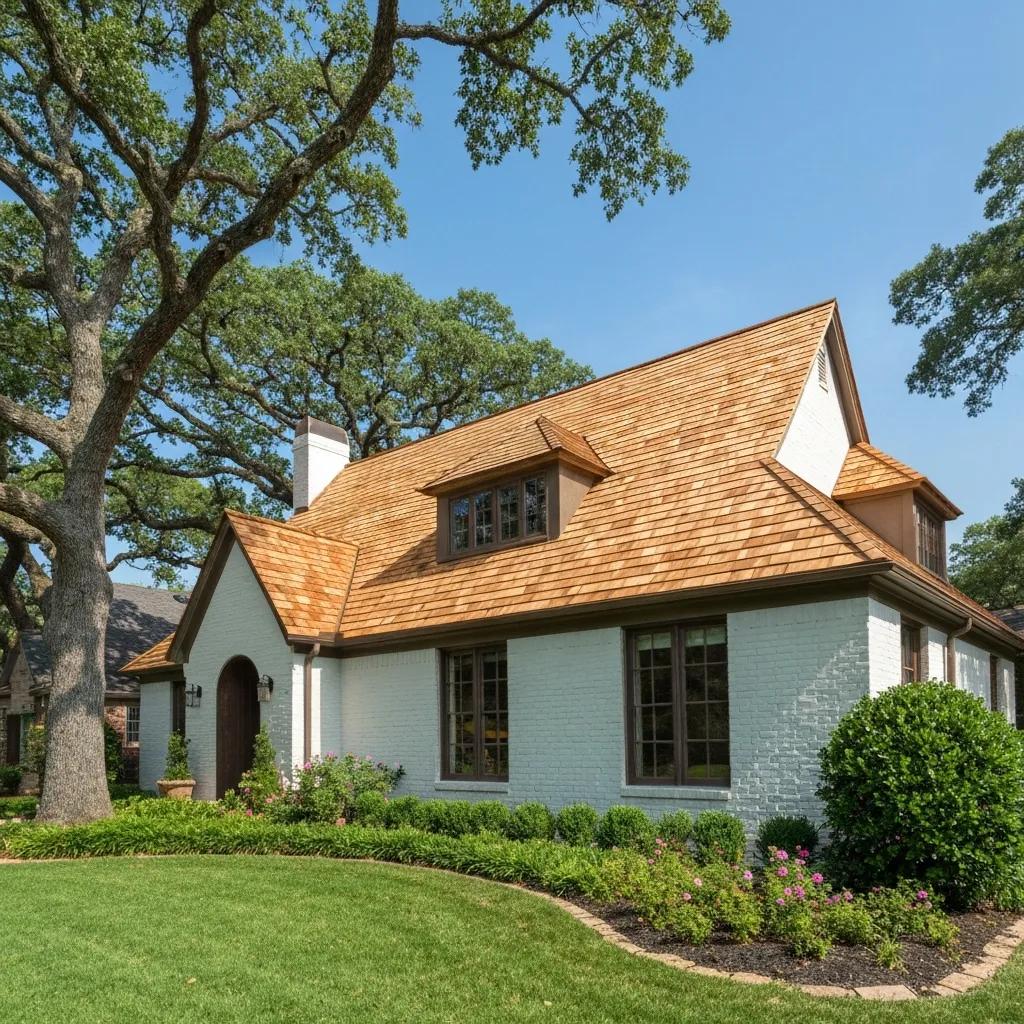
Residential wood roof replacement means removing old wood shingles or shakes and installing a new roof system that restores weather protection, structural strength, and curb appeal. This guide walks Kansas City homeowners through why you should track the condition of wood shingles, what a full replacement looks like from inspection to final walkthrough, and which modern materials give you better fire resistance and less upkeep. Many older cedar shake roofs show age‑related issues made worse by regional storms, humidity, and updated local codes; replacing them at the right time prevents interior damage and can lower insurance exposure. You’ll learn to spot the warning signs that demand action, follow a clear timeline for tear‑off and decking repairs, compare synthetic and asphalt options, estimate local costs, pick a qualified Kansas City contractor, and prepare your property and permits before work starts. Throughout, find practical checklists, comparison tables, and a contractor‑selection checklist tailored to common Kansas City cost drivers like roof pitch, decking condition, and disposal fees.
Signs your wood roof may need replacement in Kansas City

You should consider replacing a wood roof when visible wear, repeated performance problems, or safety concerns go beyond what repairs can reasonably fix. These issues usually tie back to the roof’s age, local weather exposure, or attic moisture. Catching problems early keeps hidden decking damage to a minimum and helps control replacement costs, while also addressing fire‑rating and insurance implications specific to the Kansas City market. Homeowners should do basic exterior and attic checks each season and document anything they find before calling a pro. Early detection helps you decide whether to repair, do a partial replacement, or schedule a full tear‑off based on structure and code needs.
Below are the most common visible and performance‑based signs that a wood roof needs replacing, with quick notes homeowners can use to decide when to call a professional.
- Curling, cupping, or splitting of shakes and shingles — signs of moisture cycling and age‑related brittleness.
- Large areas of missing shakes or exposed nails — lost coverage weakens the weather barrier and speeds interior leaks.
- Dark streaks, soft spots, or rot visible at the eaves or inside the attic — localized rot often points to decking or underlayment failure.
- Wood debris building up in gutters and downspouts — heavy material loss indicates advanced wear and possible imminent failure.
- Repeated leaks or interior water stains despite patching — ongoing leaks usually mean the underlayment or decking has failed.
If you notice two or more of these signs, schedule a professional inspection. A single small issue can often be repaired, but a pattern of problems usually means replacement is the safer, more cost‑effective choice to avoid structural or interior damage.
How to spot wood shingle and shake damage early
Regular, methodical exterior and attic checks give you the earliest warnings and help prioritize repairs or replacement. Start with a ground‑level walkaround to look for missing or warped shakes, then, where it’s safe, check eaves and flashing for gaps, rusted fasteners, or cracked seals. Follow with an attic inspection to look for stains, wet insulation, or soft decking. Use a flashlight and simple moisture checks to find active leaks, and take photos to share with your contractor — that speeds a more accurate assessment. Early detection of rot or widespread splitting lets you target repairs that extend service life; widespread damage usually points to a full replacement.
Keeping a photo log of visible issues creates a timeline contractors can use to estimate decking repairs and scope more accurately during the formal inspection and bid process.
Common wood roof problems: rot, fire risk, and maintenance burdens
Wood roofs often suffer rot from trapped moisture, degrade from repeated wet‑dry cycles, and demand more routine care than modern alternatives. Rot sets in when ventilation or flashing fail and moisture reaches the shakes and deck, accelerating decay and weakening fastener holding power—deck repairs are often the largest line item at replacement. Fire risk matters too: untreated wood shakes usually don’t match the fire resistance of Class A materials, and local codes or insurers may limit or penalize wood in higher‑risk areas. Maintenance includes surface treatments, moss and algae control, and frequent inspections—factors that raise lifecycle costs. Understanding how these failure modes work helps homeowners weigh repair versus replacement and consider lower‑maintenance, safer alternatives.
Being informed about these common problems helps you plan for long‑term liability, upkeep, and insurance consequences when choosing materials.
Step‑by‑step process for residential wood roof replacement
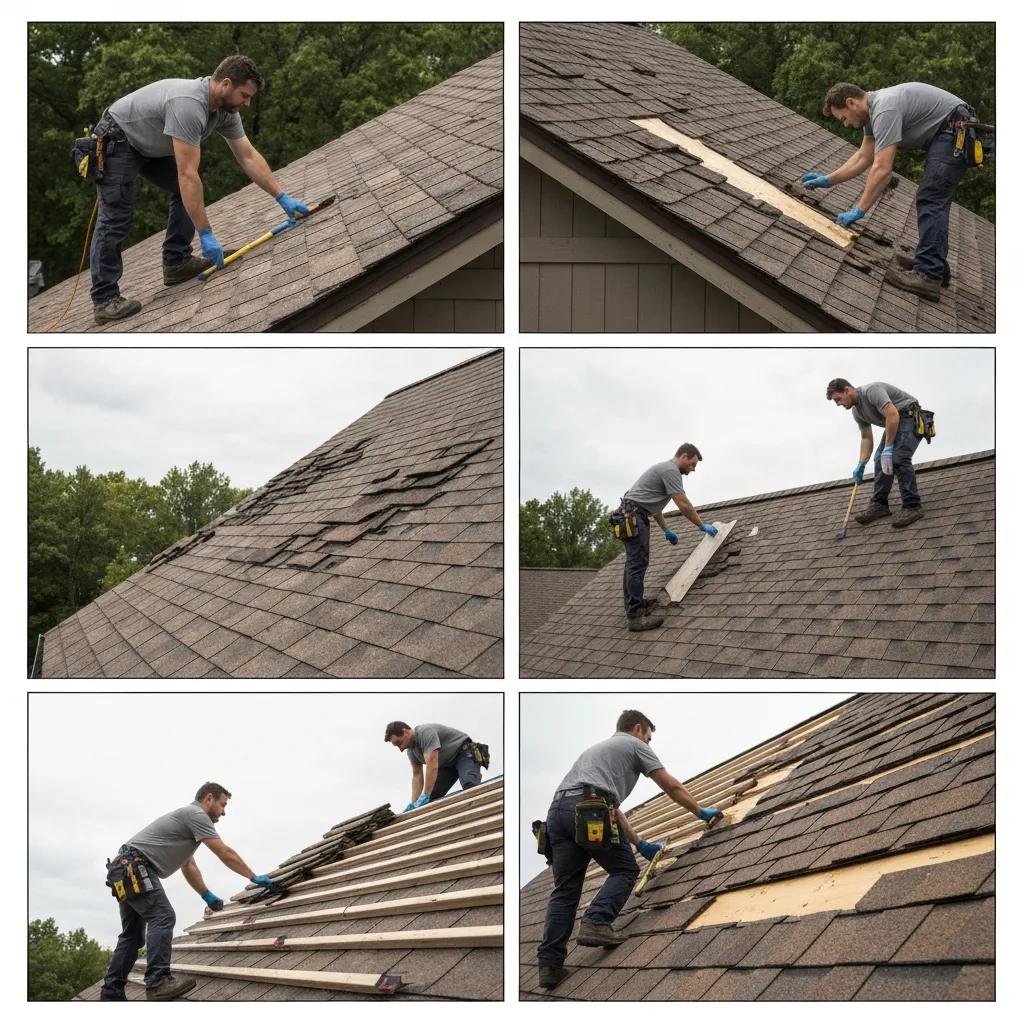
A full wood roof replacement follows an ordered sequence—inspection, permitting, tear‑off, decking repair, underlayment and flashing, new roofing material, cleanup, and final inspection—to restore a watertight system and ensure warranties are valid. That sequence keeps the job code‑compliant, lowers hidden risks, and sets clear expectations about timing and disruption. Below is a numbered process map you can use to anticipate each phase, who usually does the work, and what homeowner actions make the project run smoother.
- Initial inspection and assessment: Contractor documents the roof condition, uses moisture meters, photographs decking, and provides a written estimate and scope.
- Permits and planning: Either the contractor or homeowner secures required Kansas City permits, confirms disposal logistics, and sets demolition dates.
- Tear‑off and debris removal: Old wood shingles and underlayment are removed and hauled away; the deck is fully exposed for inspection.
- Decking repair or replacement: Damaged plywood or boards are replaced or sistered, seams corrected, and fasteners reinforced so the new underlayment can be properly installed.
- Underlayment, flashing, and ventilation: High‑quality underlayment and integrated flashing are installed, and ventilation is verified or upgraded as needed.
- New roofing material installation: Shingles, synthetic shakes, or other selected products are installed to manufacturer specs and proper nailing patterns.
- Final cleanup, inspection, and homeowner walkthrough: Site is cleaned, gutters cleared, a final inspection is done, and warranty and maintenance documents are handed over.
To make timing easier to plan, the table below summarizes each major step with typical durations, who’s responsible, and suggested homeowner actions.
Intro: Use this quick timeline to plan logistics and know what to expect from each contractor responsibility.
| Process Step | Typical Duration | Who’s Responsible | Homeowner Action |
|---|---|---|---|
| Initial inspection | 1 day | Contractor | Provide attic access; share maintenance history |
| Permitting & planning | 3–10 days | Contractor/Homeowner | Confirm permit party and schedule |
| Tear-off & debris removal | 1–3 days | Contractor | Move vehicles; protect outdoor items |
| Decking repair | 0.5–2 days | Contractor | Approve decking replacement scope |
| Underlayment & flashing | 0.5–1 day | Contractor | Verify ventilation plan |
| Material installation | 1–4 days | Contractor | Coordinate neighbor notifications |
| Cleanup & final walkthrough | 0.5–1 day | Contractor | Inspect work; collect documents |
This timeline gives realistic expectations—weather and roof complexity will change durations, but clear scheduling and a written scope reduce surprises and speed a clean closeout.
When homeowners are ready to hire locally, Ryan Construction Systems Inc. serves the Kansas City metro with residential roofing and remodeling. Request a local inspection and estimate to turn this step‑by‑step plan into a permit‑compliant project tailored to KC weather and codes.
How an initial inspection and assessment works
A good initial inspection defines the project scope by evaluating shingles, underlayment, flashing, and deck soundness using visual checks and moisture probes. Inspectors document trouble spots with photos, note attic ventilation and insulation issues, and produce a written estimate that separates material costs, labor, decking repairs, and permit fees—this level of detail makes comparing bids straightforward. Share any maintenance history and point out recurring leaks or past repairs to help the inspector find hidden damage. If structural problems or widespread decking rot are suspected, an inspector may recommend a structural engineer before tear‑off—this protects you from unexpected failures once work begins.
A thorough assessment reduces change orders later by identifying likely decking repairs and clarifying whether a full tear‑off is needed.
Tear‑off, decking repair, and underlayment installation—what to expect
Tear‑off starts with safety setups—tarps, scaffolding, and chutes—then careful removal of shakes, nails, and old underlayment down to the deck. Contractors inspect the exposed deck for soft spots, loose fasteners, or rot; repairs often involve sistering boards or installing new plywood to meet sheathing standards. Picking the right underlayment for Kansas City is important: a water‑resistant, breathable underlayment helps manage seasonal humidity and storm moisture, while synthetic ice‑and‑water shields protect valleys and eaves. Properly integrated flashing and adequate ventilation complete the substrate preparation and set the stage for the new roof material.
Having decking repairs documented in the contract prevents disputes and clarifies where additional costs may come from if hidden rot appears during tear‑off.
New material installation and final cleanup
Installers follow manufacturer nailing patterns, staggered courses, and specified starter strips to meet design life and warranty requirements. Proper flashing and ridge ventilation are essential for long‑term performance. For synthetic shakes or architectural asphalt, crews use specified fastener lengths and placements; metal or fiber‑cement products require different attachment details handled per manufacturer guidance. Contractors should use magnetic sweepers and dedicated debris removal to protect landscaping and gutters, and they should provide a final warranty packet and maintenance instructions during the homeowner walkthrough. The final inspection checks flashing, ventilation, and clean site conditions, and documents everything to support warranty claims and future resale disclosures.
A careful final walkthrough ties the work back to the written scope and gives homeowners clear guidance for routine maintenance that preserves roof life.
Best alternatives to traditional wood shake roofs
Modern alternatives recreate the wood look while offering better fire resistance, durability, and lifecycle value. Common choices include high‑quality synthetic shakes (polymer products that mimic cedar), architectural asphalt shingles, metal roofing, and fiber‑cement or cementitious shingles. Each option balances appearance, upfront cost, expected lifespan, fire rating, and maintenance needs—so material choice depends on homeowner priorities like look versus long‑term performance and insurance considerations. The table below compares cost per square foot, expected lifespan, fire rating, and typical maintenance to help you decide.
Intro: Compare wood shakes and leading modern alternatives below to weigh performance and cost trade‑offs quickly.
| Material | Cost per sq ft (est.) | Lifespan | Fire Rating | Maintenance Level |
|---|---|---|---|---|
| Cedar shake (wood) | $$$ | 20–30 yrs | Class C / variable | High |
| Synthetic shake (polymer) | $$–$$$ | 30–50 yrs | Class A | Low |
| Architectural asphalt | $–$$ | 25–35 yrs | Class A | Low |
| Metal roofing | $$–$$$ | 40–70 yrs | Class A | Low |
| Fiber cement/cementitious | $$–$$$ | 40–60 yrs | Class A | Low |
In general, synthetic and non‑wood options deliver higher fire ratings, longer lifespans, and lower maintenance—factors that often improve insurance and resale outcomes in the Kansas City market.
Homeowners who want the wood look but need more durability often choose synthetic shake products (polymer systems that resemble cedar) for realistic texture and Class A fire performance. Ryan Construction Systems Inc. installs these alternatives and can provide samples and estimates so you can compare looks, warranties, and long‑term costs before you decide.
Benefits of synthetic shake, architectural asphalt, and metal roofing
Synthetic shake, architectural asphalt, and metal roofing each offer clear advantages over wood in durability, fire resistance, and lifecycle cost—reducing both routine maintenance time and long‑term expense. Synthetic shakes replicate cedar’s appearance while offering polymer‑based water resistance and Class A fire ratings, and that can sometimes lower insurance premiums. Architectural asphalt balances aesthetics and cost with straightforward installation and broad availability. Metal roofing gives exceptional longevity and strong wind performance with minimal upkeep compared with organic wood shakes.
Which option suits you depends on priorities—preserving historic character, maximizing lifespan, or minimizing maintenance—and each choice comes with specific ventilation and underlayment needs your installer must address.
How wood shakes stack up against alternatives for cost, lifespan, and fire resistance
Wood shakes generally require more maintenance and offer lower fire performance than many modern alternatives, which affects lifetime value even if initial costs seem similar in some cases. Over a 30–50 year horizon, synthetic or metal roofs often come out ahead in total cost of ownership because they last longer and need fewer repairs. Fire resistance is a key factor in many Kansas City neighborhoods: Class A materials significantly reduce ignition risk compared with untreated wood, and some local authorities or insurers may require or incentivize non‑wood options. Compare upfront price, expected years of service, maintenance needs, and insurance impact to pick the most cost‑effective solution for your situation.
For homeowners planning to stay in their home for a decade or more, materials with higher fire ratings and longer warranties usually offer the best long‑term value.
How much does wood roof replacement cost in Kansas City?
Replacement costs in Kansas City vary widely based on roof size, pitch, decking condition, material choice, and permit needs. Transparent estimates separate these items so you can compare bids apples‑to‑apples. Local ranges cover everything from higher‑maintenance cedar shakes to more durable alternatives; labor and decking repairs often account for a large share of the total. The table below breaks down the primary cost drivers and their typical influence so you understand where money goes and how to manage expenses.
Intro: Use this table to see how each cost factor can affect your final estimate for a Kansas City wood roof replacement.
| Cost Factor | Impact on Price | Typical Influence |
|---|---|---|
| Roof size & pitch | High | Larger and steeper roofs increase labor and materials |
| Decking condition | High | Extensive deck repairs add significant cost |
| Material choice | Medium–High | Wood vs synthetic vs metal affects per‑sq‑ft price |
| Labor rates & accessibility | Medium | Site access and crew rates vary by season |
| Permits & disposal fees | Low–Medium | Local permit and landfill costs add predictable fees |
Knowing these drivers helps you target savings—choosing a lower‑cost durable material or scheduling work in shoulder seasons—without sacrificing installation quality.
Factors that influence cedar roof replacement costs in KC
Kansas City weather exposure, labor market conditions, and local permit requirements all affect cedar roof replacement costs; unexpected decking rot uncovered during tear‑off is a common escalator. Steeper roof pitches increase safety measures and time per square, raising labor costs for complex roofs. Material selection and underlayment choice also shift budgets: premium synthetic shakes or specialty flashing raise material costs but often reduce maintenance and insurance risk. Permit timelines and disposal fees add predictable charges—confirm who will pull permits so you know who pays what when comparing bids.
Ask for line‑item bids that isolate decking repairs and permit fees so you’re comparing identical scopes and avoiding surprises.
Typical price ranges for wood and alternative roofing materials
Ballpark ranges depend on material and installation complexity. Cedar shakes usually sit at the higher end of maintenance and lifecycle cost, while synthetic products and architectural asphalt spread costs differently between upfront price and long‑term value. Labor can represent 40–60% of the total when decking replacement or complex flashing is needed. When reviewing estimates, compare per‑square costs, warranty terms, and how decking repairs are handled rather than choosing the lowest bid alone. Remember: accurate bids require an on‑site inspection because hidden damage and access issues change the scope.
Request multiple detailed proposals and check warranty inclusions to choose the best long‑term option.
How to choose the right Kansas City wood roofing contractor
Picking the right contractor means verifying licensing and insurance, reviewing manufacturer certifications, checking local project examples, and confirming warranty and cleanup policies. These steps protect homeowners and improve the odds of a quality outcome. Kansas City homeowners should favor contractors who provide a clear written scope, itemized estimates, and demonstrated knowledge of local permits and weather‑related details. The checklist below shows the essential vetting steps to compare bids fairly and reduce risk.
Intro: Use this checklist to vet contractors and minimize surprises when hiring for a wood roof replacement in Kansas City.
- Verify licensing, insurance, and worker’s compensation are current and ask for written proof.
- Confirm manufacturer certifications (for example, GAF) when applicable and ask to see credentials.
- Check Better Business Bureau status and review local project photos or references for workmanship examples.
- Request written warranties for materials and workmanship and clarify transferability and claim procedures.
- Ask for a detailed scope that separates materials, labor, decking repairs, permits, and cleanup.
Using this checklist helps you compare contractors on equal terms and reduces the chance of unexpected costs or poor workmanship.
What certifications and experience should you look for?
Look for manufacturer certifications that show the contractor is trained to install your chosen products to warranty standards, and favor companies with documented experience on similar Kansas City projects. Certifications (like GAF where applicable) indicate installers follow manufacturer procedures that protect warranties. Local experience matters: contractors familiar with Kansas City permit processes, common weather impacts, and typical construction details will anticipate issues others might miss. In interviews, ask contractors to explain their ventilation strategy, flashing approach, and how they handle unexpected decking repairs to measure technical competence.
Verifying certification and hands‑on experience reduces the risk of installation errors that can void warranties or shorten roof life.
Why customer satisfaction and warranty matter
Customer satisfaction history and clear warranty coverage reflect a contractor’s commitment to long‑term performance and post‑installation support—both critical for major roof investments. Material warranties cover product defects while workmanship warranties protect against installation errors; make sure both are documented and you understand how to file claims. Responsive customer service after installation, prompt cleanup, and a willingness to do a final walkthrough demonstrate professionalism and reduce long‑term headaches. Check references and ratings to see how a contractor handles warranty claims and site restoration in real situations.
Prioritizing warranty clarity and proven customer responsiveness protects your investment and peace of mind.
In the Kansas City metro, Ryan Construction Systems Inc. is a local roofing and remodeling contractor noted for GAF certification, an A+ Better Business Bureau rating, and a whole‑house remodeling approach—trust signals that align with the vetting criteria above and can help homeowners find verified local expertise.
How homeowners should prepare for a wood roof replacement project
Good preparation reduces disruption, protects landscaping and valuables, and keeps permits and scheduling clear. Preparation starts at contract signing and continues through the final inspection. Move vehicles, cover or relocate outdoor furniture and grills, secure pets, and remove fragile items from upper floors that might experience vibration or dust. Communicate with neighbors about work schedules and noise to reduce complaints and make staging dumpsters and deliveries easier. Also confirm who will pull permits and what inspection timelines look like so the project schedule stays realistic.
These steps lower the risk of property damage during demolition and make contractor access and cleanup simpler.
Steps to protect your property and family during replacement
Protect your property by moving vehicles away from the work area, covering or moving delicate landscaping pieces, and removing or wrapping fragile indoor items near active work zones. Contractors should provide ground protection, scaffolding, and debris netting; ask to see proof of liability insurance to cover accidental damage. Agree on daily start and stop times to manage noise, set a communication plan for weather delays, and keep pets and children out of the active work zone for safety. Finally, take photos of pre‑project conditions to support any later insurance claims if accidental damage occurs.
Being proactive about site protection and communication saves time and avoids disputes during demolition and installation.
Kansas City permit and planning requirements
Kansas City generally requires permits for full roof replacements and may require inspections for decking replacement, flashing, and final sign‑offs—check with local building authorities or your contractor to confirm what applies. Contractors often include permit submission in their bids, but verify who is responsible and get copies of approvals and inspection reports. Permit timelines can affect scheduling, so build buffer days into the plan and coordinate deliveries accordingly. Understanding permit responsibilities up front prevents stoppages and ensures the installation meets current code requirements for fire resistance and structural connections.
Confirming permit logistics early keeps the project on schedule and compliant with local rules.
Frequently Asked Questions
What is the average lifespan of a wood roof compared to synthetic alternatives?
Traditional wood roofs usually last about 20–30 years, depending on maintenance and local conditions. Synthetic alternatives, like polymer shakes, often last 30–50 years and require less upkeep. That longer lifespan plus lower maintenance often makes synthetic options more cost‑effective over time. Consider your long‑term plans and how much maintenance you want to handle when choosing between wood and synthetic products.
How can I ensure my new roof meets local building codes?
Work with a licensed contractor who knows Kansas City regulations and will handle permits and inspections. You can also review local building codes or consult the city building department. Choosing a contractor familiar with local requirements helps avoid costly mistakes and ensures the roof is installed safely and compliantly.
What maintenance is required for synthetic roofing materials?
Synthetic roofing generally needs less maintenance than wood, but you should still inspect it periodically for debris buildup, ensure proper drainage, and check for damage. Keep gutters and downspouts clear and have a contractor inspect any loose or damaged sections. Following the manufacturer’s maintenance guidelines is important to keep warranties valid.
Are there any insurance benefits to choosing synthetic roofing materials?
Yes. Many insurers offer lower premiums for homes with synthetic roofs because of their improved fire resistance and durability compared with wood. Check with your insurance agent to confirm potential discounts and make sure your choice meets policy requirements—those savings can add up over time.
What should I do if I notice signs of roof damage?
If you see curling shingles, leaks, or rot, act quickly. Document the damage with photos and notes, then contact a qualified roofing contractor for a professional inspection. They’ll assess whether repairs or a full replacement are needed. Early action can prevent larger, more costly problems down the road.
How do I prepare my home for a roof replacement project?
Move vehicles away from the work area, cover or relocate outdoor furniture, secure pets, and remove fragile items from upper floors to protect them from vibration and dust. Let neighbors know the schedule to minimize disruption. Proper preparation helps the job proceed more smoothly and reduces the chance of damage.
What are the environmental impacts of wood roof replacement?
Environmental impacts vary. Traditional wood roofs can contribute to resource use if materials aren’t sustainably sourced. Many modern synthetic roofing products are manufactured with recycled content and last longer, reducing replacement frequency. When possible, choose sustainably produced materials and recycling programs to lower environmental impact while meeting your aesthetic and functional needs.
Wood Roof Replacement: Protecting Your Kansas City Home
Replacing a wood roof protects your home’s structure and curb appeal—especially in Kansas City’s variable climate. Knowing the warning signs, the step‑by‑step replacement process, and the pros and cons of modern materials helps you make informed decisions that add value and safety to your property. Synthetic shakes and architectural asphalt often deliver lower maintenance and better fire performance over time. For a smooth, permit‑compliant replacement, reach out to our team at Ryan Construction Systems Inc. to schedule an inspection and get a clear estimate.