

Trustworthy Roofing: 10 Tips to Choose a Reliable Contractor

Picking a trustworthy roofing contractor protects your home and your wallet. With so many companies advertising repairs and replacements, it’s easy to feel overwhelmed. These ten straightforward tips will show you how to verify licenses and insurance, spot reliable contractors, read estimates clearly, and avoid costly mistakes. Use them to make a confident choice when hiring a Kansas City roofing contractor.
How Do You Verify a Roofing Contractor’s License and Insurance?
Checking a contractor’s license and insurance is one of the first steps you should take. A proper license shows they follow local rules; current insurance protects you if someone is injured or property is damaged during the job.
What Licensing Requirements Should Kansas City Roofers Meet?
In Kansas City, roofing businesses should carry a city business license. Missouri does not require a statewide roofing license, but local rules and building codes still apply. Confirm the contractor is registered to work in Kansas City and follows local regulations before you hire them.
How to Confirm Adequate Insurance Coverage for Liability and Workers’ Comp
Ask for proof of both liability insurance and workers’ compensation. Liability insurance covers damage to your property; workers’ comp covers jobsite injuries. Make sure the certificates are current and match the project’s scope so you aren’t left with unexpected liability.
Evaluating Trustworthy Roofing Contractors in Kansas City: 10 Tips

Trustworthy roofing companies show up consistently in the community, communicate clearly, and stand behind their work. Local experience matters because it affects how well a contractor handles local weather, codes, and supplier relationships.
Why Is Local Kansas City Presence Important for Roofing Contractors?
Local contractors know Kansas City building codes and weather patterns. They usually respond faster, have established supplier connections, and are more invested in protecting their local reputation—advantages that often translate to better service and follow-up.
How to Evaluate Online Reviews, BBB Ratings, and Customer References
Read reviews on Google and check Better Business Bureau ratings to get a broad view of a roofer’s reputation. Ask for references and call past customers to hear about their experience with the crew, schedule, and cleanup. Look for consistent patterns, not just single glowing or negative reviews.
How Can You Assess the Quality and Transparency of Roofing Estimates and Contracts?
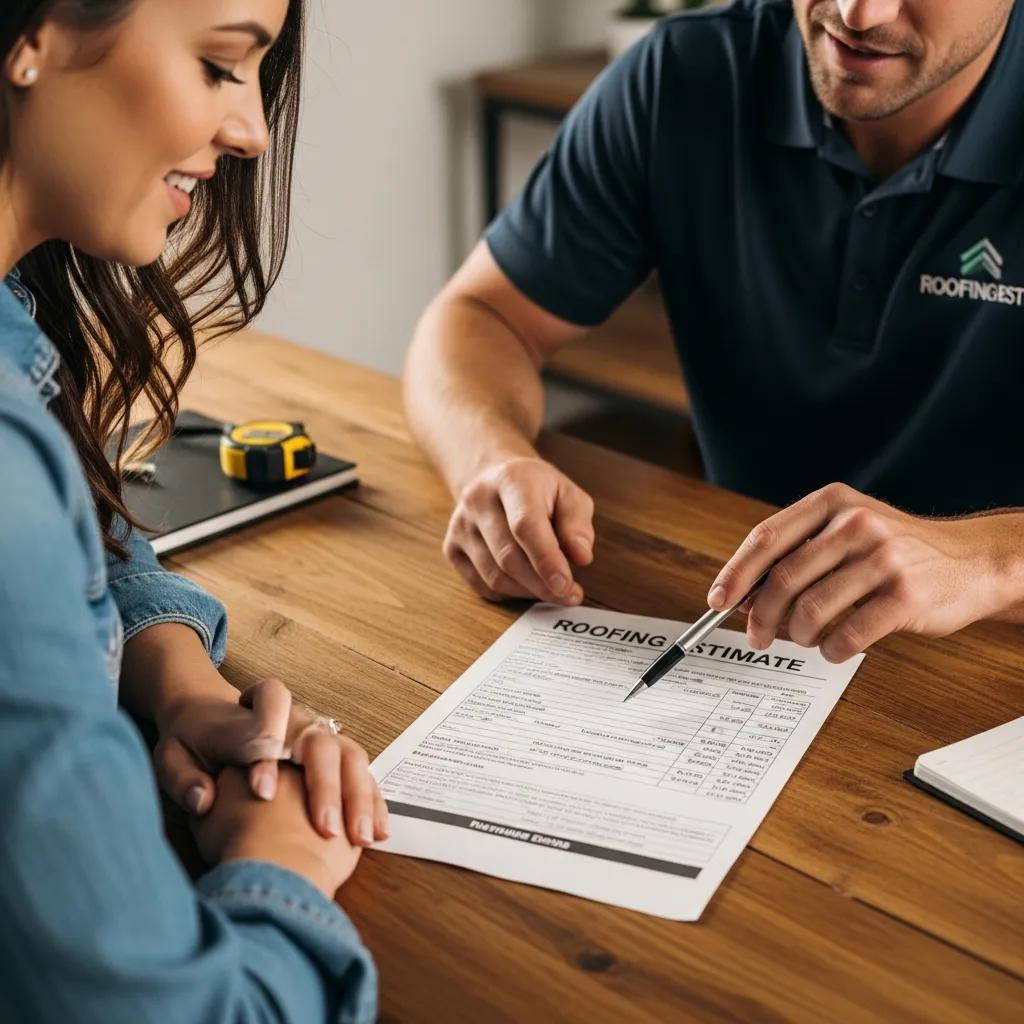
A clear, detailed estimate and contract prevent surprises. A good contractor provides an itemized estimate, a realistic timeline, and straightforward payment terms so you know exactly what’s included and what to expect.
What Should a Detailed, Written Roofing Estimate Include?
Your estimate should list materials and labor costs separately, show the expected start and finish dates, and spell out payment terms. It should also note any warranties, roof ventilation or decking work, and cleanup expectations so there are no hidden charges later.
How Do Warranties and Guarantees Protect You?
Warranties protect your investment. A workmanship warranty covers installation issues the contractor is responsible for; material warranties cover defects from the manufacturer. Read each warranty’s terms so you understand what’s covered and for how long—this saves headaches down the road.
Different roofing jobs have different needs. If you’re considering specialty work—like wood roof replacement—confirm the crew has specific experience and the right techniques for that material.
What Red Flags and High-Pressure Tactics Should You Watch For When Hiring a Roofer?
Stay alert for sales tactics that rush or confuse you. Unclear terms, pushy timelines, and promises that sound too good to be true are all reasons to step back and check more thoroughly.
Which Warning Signs Indicate Unreliable or Storm Chaser Contractors?
Be wary of unsolicited knock-on-the-door offers, contractors who demand large up-front sums (especially full payment), or businesses with no fixed address. High-pressure attempts to close the deal quickly are another common warning sign.
How to Avoid Being Victimized by Roofing Scams in Kansas City
Protect yourself by researching every contractor: verify licenses and insurance, read reviews, and call references. If something doesn’t feel right, pause and get a second opinion—trust your instincts before signing a contract.
Why Are Manufacturer Certifications and Safety Protocols Important in Choosing a Roofing Contractor?
Manufacturer certifications and clear safety procedures show a contractor takes quality and jobsite safety seriously. Certified crews follow recommended installation methods and often offer stronger warranty options.
What Is the Value of GAF Certification and BBB Accreditation?
GAF and other manufacturer certifications mean the roofer has met training and quality standards for specific products. BBB accreditation signals a commitment to ethical business practices and customer service—both useful indicators when comparing contractors.
How Do Safety Standards and Cleanup Plans Reflect Contractor Professionalism?
A professional contractor follows safety protocols, protects your property during the job, and leaves the site clean. These practices reduce risk, show respect for your home, and reflect a business that cares about long-term reputation.
How Can You Make an Informed Decision by Comparing Multiple Roofing Contractor Bids?
Getting several bids gives you perspective on price and scope. Compare estimates line by line so you’re comparing the same materials, timeline, and warranty offerings rather than just bottom-line numbers.
What Questions Should You Ask Roofing Contractors Before Hiring?
Ask about similar projects they’ve completed, expected timelines, payment schedule, and how they handle unexpected issues. Also ask how they’ll keep you updated during the project so you’re never left guessing.
How to Use a Roofing Contractor Vetting Checklist Effectively
Use a simple checklist to compare contractors side-by-side: license, insurance, reviews, warranties, references, certifications, and written estimates. A checklist keeps the process objective and helps you choose the best fit for your home.
| Aspect | Importance | Action |
|---|---|---|
| License Verification | Shows they meet local rules | Check with the city licensing office |
| Insurance Confirmation | Protects you from liability | Request current proof of coverage |
| Review Analysis | Reveals reputation over time | Read online reviews and BBB records |
| Warranty Details | Secures your investment | Understand terms and exclusions |
This table highlights the core checks to make when evaluating roofing contractors so you can hire with confidence.
In short, vetting your roofing contractor is one of the best ways to protect your home and your budget. Follow these ten tips and you’ll be better equipped to pick a contractor who does the job right. In Kansas City, Ryan Construction Systems Inc. brings over 35 years of local experience and a proven track record for quality and customer care.
Frequently Asked Questions
What should I do if I suspect my roofing contractor is not trustworthy?
If you suspect a contractor isn’t trustworthy, document the issues—missed deadlines, poor communication, or incomplete work—and raise them directly with the contractor. If they won’t resolve the problem, contact local consumer protection, the Better Business Bureau, or seek a second opinion from another roofer to assess any damage or unfinished work.
How can I find out if a roofing contractor has a history of complaints?
Check the contractor’s BBB profile for complaints and resolutions, and read reviews on Google, Yelp, and other sites. Ask the contractor for references and call past clients to learn about their experience. Multiple sources give you a clearer picture than any single review.
What are the benefits of hiring a certified roofing contractor?
Certified contractors have training with specific manufacturers and follow approved installation methods. That usually means better workmanship, stronger warranty options, and access to quality materials—benefits that protect your roof over time.
How can I ensure my roofing project stays within budget?
Get detailed written estimates from several contractors and set a clear budget up front. Communicate any spending limits and include a contingency for unexpected issues. Stay involved with regular check-ins so small problems don’t turn into big cost overruns.
What types of roofing materials should I consider for my home?
Consider durability, local climate, appearance, and cost. Common choices include asphalt shingles, metal, wood shakes, and tile. Asphalt is economical, metal lasts longer and can save energy, and wood offers a classic look but needs more maintenance. Discuss options with your contractor to find the best fit.
How long should I expect my roofing project to take?
Project length depends on roof size, material, and weather. A typical roof replacement often takes several days to a week; more complex jobs can take longer. Your contractor should provide a timeline in the estimate and update you if weather or other factors cause delays.
What should I do if my roofing contractor doesn’t complete the job?
First, try to communicate and document all conversations about the delay. If the contractor is unresponsive, file a complaint with the BBB or local consumer protection agency. You may also want to consult a legal professional to understand your options for completing the work and recovering costs.
Conclusion
Careful vetting is the best defense against roofing problems and scams. Use these ten tips to evaluate contractors, compare bids, and protect your home. When you need experienced, reliable help in Kansas City, explore the services offered by Ryan Construction Systems Inc.—we’re ready to help you get the job done right.