

Blog

Essential Signs of Wood Roof Wear: Know When to Replace It

Signs Your Wood Roof Needs Replacement Now: How to Spot Wood‑Shake Damage and When to Act

Charming wood shake roof on a Kansas City home framed by greenery

A wood roof can look picture‑perfect from the street and still hide problems that threaten your attic, structure, and indoor air. This guide helps homeowners spot trouble early and decide whether repair or replacement makes the most sense. You’ll get clear visual cues, simple field checks, Kansas City weather considerations, and a step‑by‑step decision framework that separates short‑term fixes from replacement triggers. We define common failure modes for cedar shakes and wood shingles, explain why each sign matters, and offer practical next steps — inspection checklists, cost‑aware options, and comparison points for traditional wood versus synthetic and alternative materials. Start with the most common signs of wood roof damage and use the diagnostic lists and tables to prioritize action before you call a pro.

What Are the Most Common Signs of Wood Roof Damage?

Close-up showing rotting shingles and curled cedar shakes

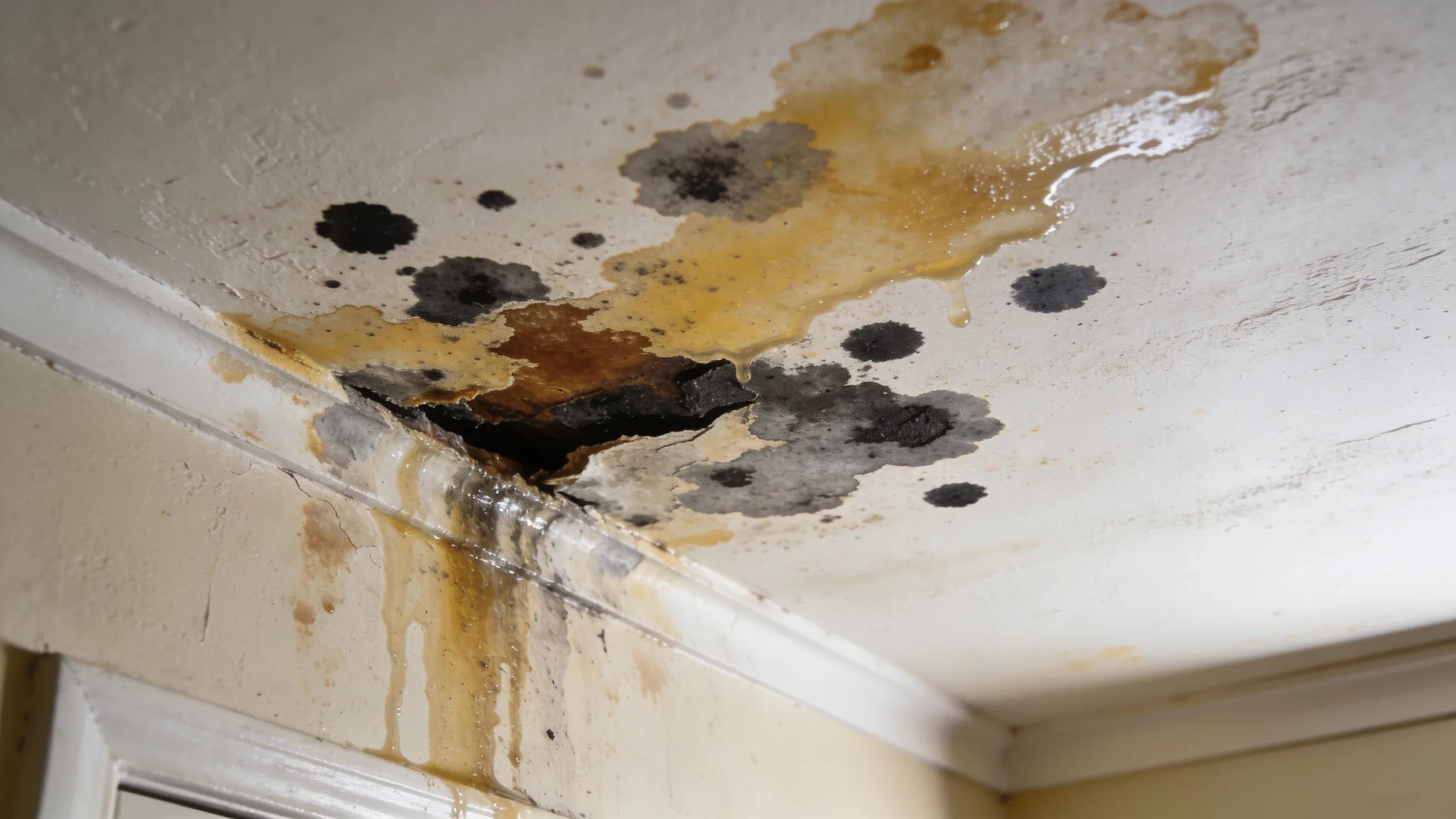
Most failing wood roofs show visual or tactile changes first — signs of material breakdown or moisture intrusion that usually come before interior leaks. Look for rot, curling or cupping, cracked or missing shakes, moss or algae growth, and water stains. These problems often show up because ventilation, flashing, or underlayment have failed, and because repeated wet/dry cycles make shakes expand and contract. Knowing which signs need immediate attention helps you avoid structural rot and rising repair costs. The list below highlights the highest‑priority indicators to watch for on a quick walkaround.

Homeowners should watch for these high‑priority indicators of wood roof wear and tear:

  • Rotting shakes or soft spots — wood that gives when you press it.
  • Curling or cupping — lifted edges or centers that sink.
  • Cracked, split, or missing shakes that reveal the roof deck.
  • Moss, algae, or heavy organic growth holding moisture against the wood.
  • Interior water stains or ceiling discoloration that point to active leaks.
  • Excessive brittleness — shakes snapping instead of flexing, with lots of loose fragments.

Those six signs signal rising risk: some can be monitored or repaired locally, while others mean the roof is near the end of its service life and needs a professional evaluation. The table below translates each visible sign into what you’ll see in the field and the recommended next step so you can triage damage during a quick inspection.

Different visible signs require different urgency and follow‑up. Use the table to prioritize what to do next during a homeowner walkthrough.

Sign What to Look For Urgency / Recommended Next Step
Rotting shingles Discolored, spongy areas; fibers break when pressed High — arrange a professional inspection and be ready for section replacement or a full roof evaluation
Curling / cupping Edges lift; center becomes concave or warped Medium‑High — track how widespread it is; widespread cupping usually points to replacement
Cracked / missing shakes Visible splits, gaps, or exposed decking High — temporary patching and an inspection are needed; consider quick replacement if common across the roof
Moss or algae growth Thick green or black mats holding moisture against the wood Medium — remove growth and inspect for underlying rot; repeat growth may indicate poor ventilation
Interior water stains Ceiling discoloration, peeling paint, or damp spots below the roof High — check the attic and roof penetrations; urgent leak repair is likely required
Brittleness / fragmentation Shakes snap rather than bend; many loose fragments present Medium‑High — suggests age and sun damage; include in your replacement decision

Use this quick triage to assign urgency, document damage, and request estimates. A professional inspection will confirm what you find and reveal hidden problems like deck rot or flashing failure — issues the next section helps you recognize in more detail.

Ryan Construction Systems Inc. offers a free roof inspection to verify visible signs and recommend repair or replacement options. Scheduling an on‑site assessment clarifies the urgency and scope before you commit to major work, and the free inspection turns your observations into an accurate scope and estimate.

How to Recognize Rotting Wood Shingles and Cedar Shake Deterioration

Rot starts small — subtle darkening, surface softening, then gradual loss of strength so shakes crumble under light pressure. Watch for dark streaks, white or black rot patches, and frayed fibers along the shake edges; these are classic signs of fungal decay driven by trapped moisture and poor ventilation. A simple field test: press a thumbnail into suspect areas — spongy wood usually means rot below the surface. Catching rot early can prevent spread to the decking and framing. Photograph affected areas for estimates and for insurance conversations if storm damage is suspected. Knowing how rot behaves naturally leads into assessing curling and cupping, which often accompany decay and indicate broader failure.

What Does Curling or Cupping of Cedar Shakes Indicate?

Curling or cupping usually points to age, repeated wet/dry cycles, or an installation that left shakes prone to moisture imbalance. Small edge curling can be cosmetic and repaired locally; widespread cupping across multiple roof planes, however, signals systemic distress and a loss of protective overlap. Cupping reduces the roof’s ability to shed water and exposes underlayment to the elements, increasing leak risk during wind‑driven rain or hail — an important factor in Kansas City’s stormy climate. If roughly 20–30% or more of the roof consistently cups, replacement is often the more cost‑effective long‑term choice. Using those thresholds helps homeowners decide between patching and getting full replacement estimates.

When Is It Time to Replace Your Cedar Shake Roof?

Replace the roof when age, cumulative damage, and safety concerns outweigh the value of repairs — and when repeated fixes don’t restore lasting performance. Typical triggers include extensive rot, ongoing leaks, compromised decking, or persistent curling across large areas; those conditions generally cost more over time to keep fixing than to replace. Kansas City’s hail and wind exposure speed deterioration, so pair visual condition with roof age and service history to reach a clear decision. The following sections quantify typical lifespans and explain the risks of waiting so you can make a cost‑aware choice.

Cedar shake lifespans vary: under ideal conditions and good maintenance they can last 30–40 years; in harsher exposure or with poor maintenance they may fail much sooner. To estimate remaining life, combine roof age with observed wear: a 25‑year‑old roof showing rot, brittleness, and widespread cupping likely has little useful life left and should be considered for replacement. Regular maintenance — clearing debris, improving attic ventilation, and removing moss — can add years, but it won’t reverse advanced rot or structural deck failure. Understanding typical lifespans helps you schedule inspections and budget for replacement before water damage escalates.

Putting off replacement risks larger repair bills, structural decay, and indoor air problems from hidden mold. Small, ongoing leaks can rot sheathing, weaken rafters, and trigger expensive interior repairs (drywall, insulation, framing) that quickly exceed the cost of a timely replacement. Insurance claims may be complicated or denied if damage is attributed to deferred maintenance rather than a discrete storm event. Older, untreated wood shingles can also raise fire‑safety and code issues. When visual signs, age, and recurring leaks point to systemic decline, proactive replacement prevents bigger headaches later.

How Can You Differentiate Between Wood Roof Repair and Replacement?

Deciding between repair and replacement means weighing damage scope, recurrence, structural soundness, and long‑term cost. Repairs make sense for isolated issues — a few cracked shakes, a localized flashing leak — where targeted work restores performance. Replacement is the right call when damage is widespread, deck integrity is compromised, or repairs keep failing soon after completion. The table below summarizes common damage types, whether they’re typically repairable, and their likely impact on lifespan and cost to help you apply a practical rule‑of‑thumb during an inspection.

Damage Type Repairable? Estimated Impact on Lifespan / Cost Implication
Isolated cracked or missing shakes Yes Short‑term repair can extend life by several years; low immediate cost
Localized flashing leaks Yes Moderate cost; effective when flashing is repaired and decking is sound
Widespread rot or deck damage No (usually) High impact; replacement required to restore structural integrity
Extensive curling / cupping across roof Generally No Replacement often more cost‑effective due to pervasive failure
Recurrent leaks after repairs No (pattern) High long‑term cost from repeated fixes; replacement advised

Use this table to test whether patching will hold or just buy time. The next section gives practical examples of repairable issues and replacement triggers so you can apply these principles to your home.

Many common problems are fixable without replacing the whole roof, and targeted repairs can add years when the underlying structure is sound. Examples include swapping a handful of cracked shakes, resealing or replacing flashings around chimneys and vents, and localized decking repairs. Professional repairs — correct fastening, matching replacement shakes, and improved ventilation — can restore reliable performance. But if repairs come back season after season, that usually signals a systemic issue where replacement is the smarter long‑term investment. Knowing typical repair durability helps weigh short‑term savings against long‑term value.

Replacement becomes the safer, more cost‑effective choice when damage is extensive, structural members or decking are rotten, or repeated repairs approach the cost of replacement. A simple comparison — expected recurring repair costs over five to ten years versus the replacement cost now — often favors replacement when repairs are frequent or cover more than about 25–30% of the roof area. Safety concerns, like compromised deck fasteners, attic mold affecting indoor air, or higher fire risk, also justify replacement even if visible damage looks limited. Considering insurance and resale value further supports replacement when systemic decline is evident.

What Are Your Wood Roof Replacement Options in Kansas City?

Samples of replacement options: cedar shakes, synthetic shakes, and architectural shingles

Kansas City homeowners replacing a wood roof can choose traditional cedar shakes, modern synthetic shakes, architectural asphalt shingles, or metal systems that mimic wood. Each option balances lifespan, fire resistance, storm performance, maintenance, and cost. Local weather — hail, wind, and occasional severe storms — favors materials with strong impact and wind ratings. We recommend weighing total cost of ownership over ten years: initial price, maintenance needs, storm‑damage likelihood, and insurance implications. The table below summarizes common materials, expected lifespans, fire ratings, and typical pros, cons, and cost bands for local decision‑making.

Material Lifespan & Fire Rating Pros / Cons / Typical Cost Band
Traditional wood shakes 20–40 years; fire rating varies unless treated Pros: authentic look; Cons: higher maintenance and lower fire resistance unless treated; Cost: mid‑to‑high up front
Synthetic shake shingles 30–50+ years; often Class A fire rating Pros: durable, low maintenance; Cons: higher upfront cost but lower lifecycle cost; Cost: mid‑to‑high
Architectural asphalt shingles 20–30 years; typically Class A Pros: cost‑effective and readily available; Cons: different aesthetic from wood; Cost: low‑to‑mid
Metal roofing (wood‑look options) 40+ years; Class A fire rating Pros: long life and strong storm resistance; Cons: different feel from real wood; Cost: mid‑to‑high

This comparison helps Kansas City homeowners match material performance to storm exposure and maintenance tolerance. Below we look more closely at synthetic shakes and how they compare in real‑world use.

Synthetic shakes often outperform natural wood on durability, fire resistance, and maintenance while closely imitating cedar’s look — a strong option for homeowners who want the appearance of wood without the upkeep. Many synthetic products resist hail, UV damage, and moisture‑driven rot and carry longer manufacturer warranties with less routine treatment. Some homeowners still prefer the feel of real wood, but advances in color and texture have narrowed the gap. Over a 10–20 year horizon in Kansas City’s climate, synthetic shakes frequently offer superior total cost of ownership despite higher upfront cost. Understanding these trade‑offs helps you choose the right long‑term solution for your home.

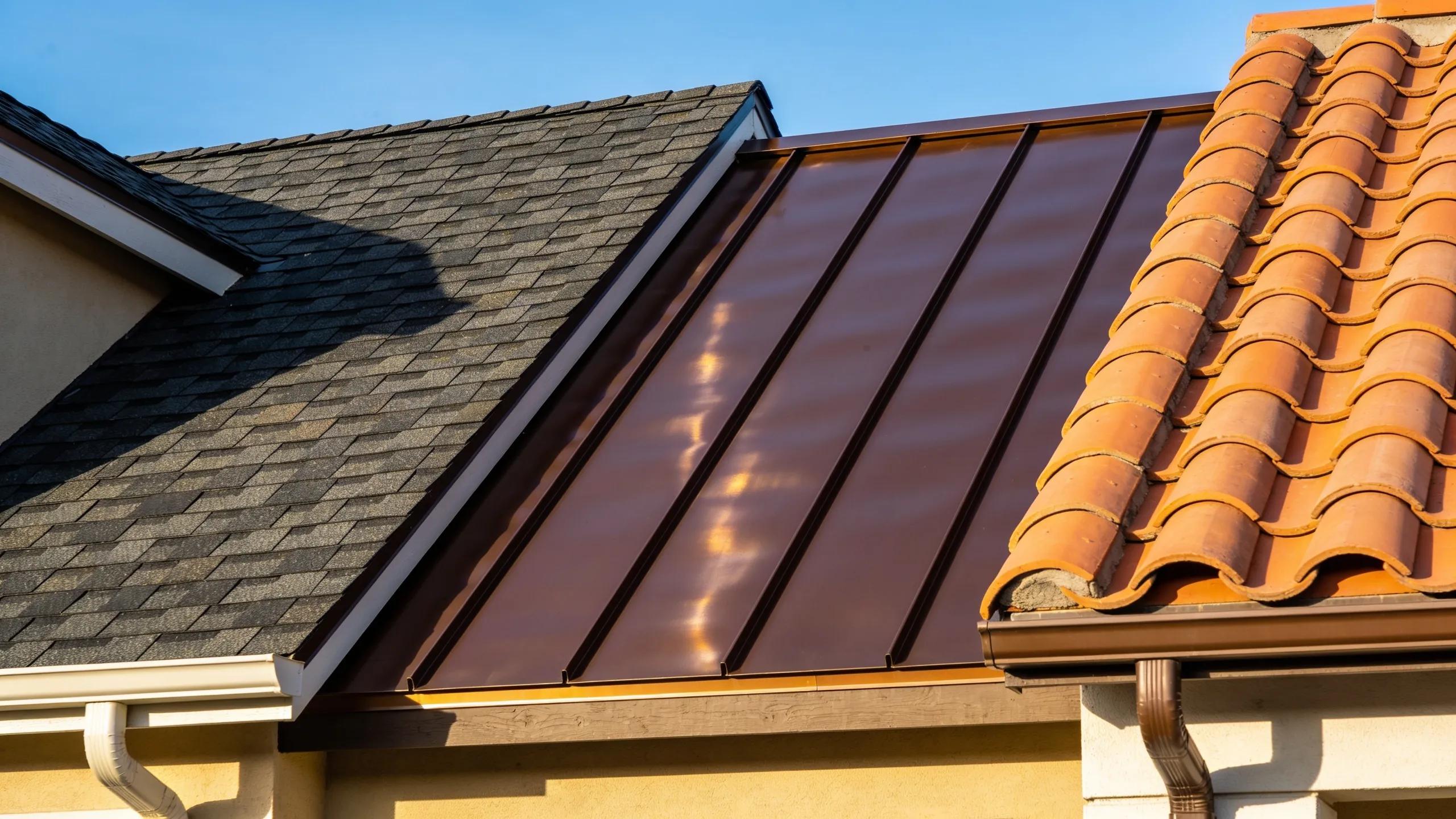
Asphalt and metal alternatives are also worth considering when durability, storm resistance, or cost control are priorities. Architectural asphalt shingles are affordable, straightforward to install, and provide good wind resistance when specified correctly. Metal roofing offers exceptional lifespan and impact resistance and can be ordered in profiles that approximate wood shakes for a similar aesthetic. Your choice among asphalt, metal, synthetic, and wood should balance appearance, maintenance tolerance, and long‑term value in Kansas City’s weather — and that decision will shape contractors’ recommendations during the estimate phase.

Why Choose Ryan Construction Systems Inc. for Your Wood Roof Replacement?

Ryan Construction Systems Inc. combines local Kansas City Metro Area experience, verifiable credentials, and a homeowner‑focused service model for reliable roof replacement. Qualifications include GAF Certified Contractor status, an A+ rating with the Better Business Bureau, and Owens Corning Preferred Contractor recognition; the company is licensed and fully insured to support workmanship and warranty coverage. Ryan also follows a Whole House Concept — treating a roof replacement as part of coordinated exterior improvements (siding, gutters, windows) so the result performs better and looks cohesive. We share useful information, show real expertise, and make it easy to contact us for a no‑obligation estimate.

Certifications and ratings deliver practical homeowner benefits: manufacturer certification means trained installers and access to extended warranties, an A+ BBB rating reflects local reputation and complaint handling, and being licensed and insured protects you from liability and ensures compliance with local rules. These credentials lower execution risk and increase the odds of a professionally managed project with clear paperwork and transferable warranties. Ask your estimator for proof of certification and written warranty details so credentials turn into tangible protection and confidence.

The Whole House Concept improves outcomes by aligning roofing work with related exterior systems — reducing future maintenance and boosting energy performance and curb appeal when trades coordinate. For example, replacing gutters and addressing ventilation during a roof replacement prevents future water problems and helps the new roof perform as intended. Bundled upgrades can simplify financing, shorten timelines, and lower the chance of callbacks. The result is a more durable, cohesive exterior and better long‑term value for homeowners.

Ryan Construction Systems Inc. serves the Kansas City Metro Area from a local base and provides free, no‑obligation quotes as part of the initial evaluation. Local knowledge helps tailor material recommendations to area storm patterns and insurance considerations. During the estimate process we handle contact details and logistics to deliver a clear scope and transparent pricing. Our local experience and certifications make Ryan a practical choice for homeowners who want a single trusted partner for roof replacement and coordinated exterior upgrades.

What Certifications and Ratings Does Ryan Construction Hold?

Ryan’s public credentials include industry and local trust signals that indicate trained crews and manufacturer partnerships: GAF Certified Contractor status, an A+ rating with the Better Business Bureau, and Owens Corning Preferred Contractor recognition. The company is licensed and fully insured, which helps protect homeowners and ensures compliance with local installation rules. Credentials aren’t a guarantee of every outcome, but they’re useful filters when comparing bids and help homeowners prioritize contractors with verifiable training and accountability. Knowing which credentials to request makes estimate conversations more effective.

How Does the Whole House Concept Improve Your Roof Replacement?

The Whole House Concept coordinates roofing work with related exterior systems — siding, gutters, and windows — so each component supports durability, energy performance, and curb appeal. Sequencing work together lets crews address root causes like poor roof‑to‑wall flashing, mismatched drainage, or inadequate ventilation that isolated work can miss. Homeowners benefit from a consolidated project plan, fewer scheduling conflicts, and streamlined warranty coverage across trades. This integrated approach reduces future repair risk and often increases resale value because the exterior is refreshed comprehensively rather than piecemeal. That’s why some contractors recommend bundled exterior upgrades with a roof replacement.

What Can You Expect During the Wood Roof Replacement Process?

A typical wood roof replacement starts with a thorough inspection and written estimate, moves to tear‑off and deck evaluation, and finishes with installation, cleanup, and a final inspection. Clear communication about timeline, materials, and contingencies helps you plan for noise, crew access, and temporary disruptions. Expect your contractor to document existing conditions with photos, outline decking and flashing repair standards, and present options with cost differences for material choices. The sections below describe the inspection and estimate phase and map the key construction steps so you know what to expect day‑to‑day.

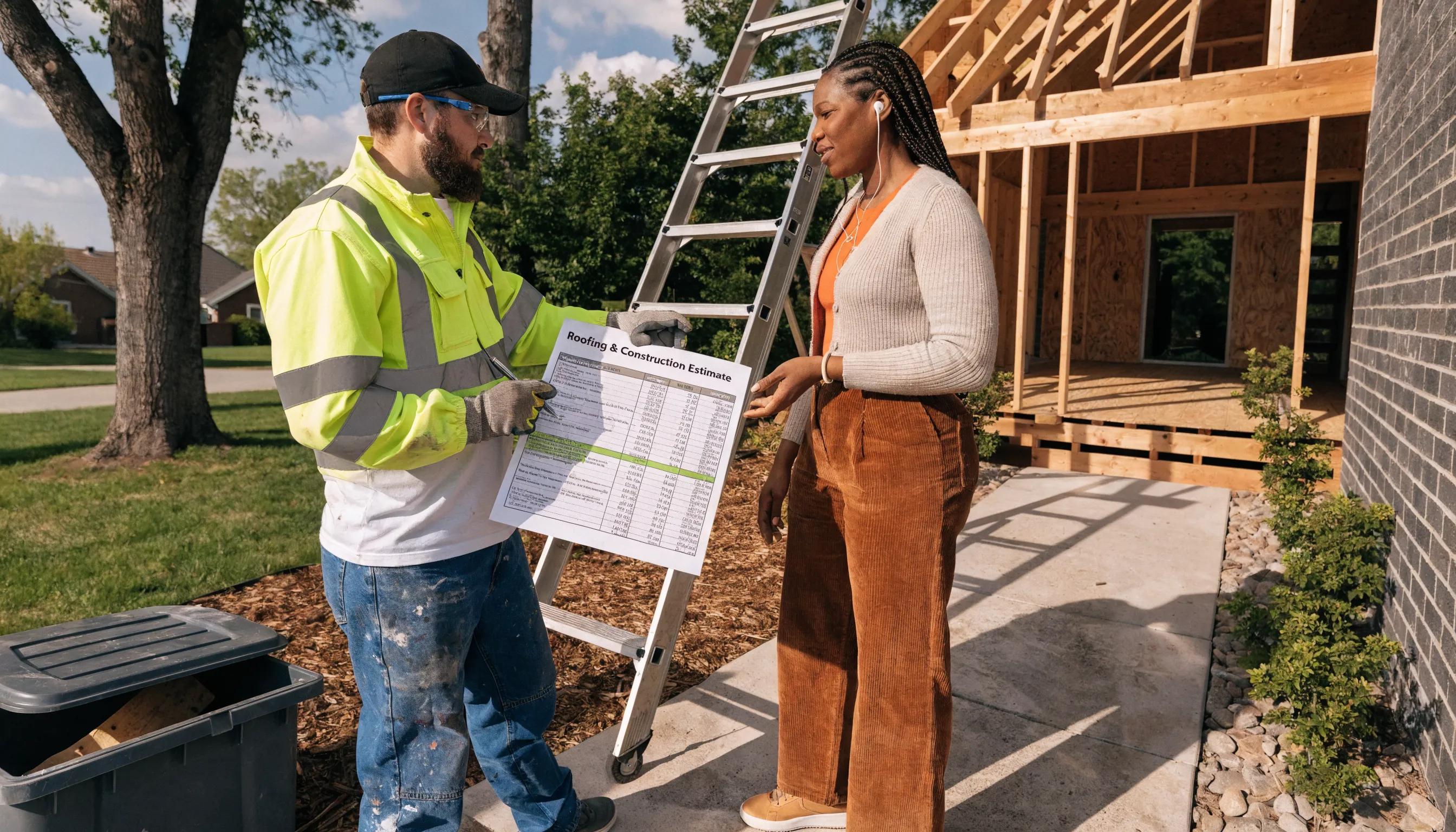
The initial inspection and free estimate usually include a roof walk or visual survey, photo documentation of problem areas, assessment of attic ventilation and deck condition, and a written scope with material and warranty options. Inspectors check for rot, flashing failure, underlayment condition, ventilation issues, and evidence of prior repairs that might hide deeper problems. You should receive clear photos, a line‑item estimate, and recommended timelines — and ask about permits and how the crew will protect landscaping and exterior finishes. Thorough documentation during the inspection gives you confidence to compare bids and verify that proposals address root causes rather than symptoms.

The work itself follows predictable phases: tear‑off of old shakes, deck inspection and selective replacement, installation of modern underlayment and flashing, installation of the new roofing material, and final cleanup and inspection. Tear‑off duration depends on roof size and complexity; deck repairs can expand the scope if rot is found. Proper underlayment, ventilation, and correctly installed flashing are essential for long‑term performance and often separate a lasting replacement from one that needs callbacks. Prepare by protecting vehicles, moving outdoor furniture, and confirming a staging area for materials — understanding the sequence and typical durations reduces surprises.

Our goal is to give homeowners clear, useful information about services, demonstrate expertise and reliability, and make it easy to request an estimate. A transparent inspection and estimate process helps you choose the right solution for your property with less risk.

  1. Inspection and documentation: photos, attic check, and written scope.
  2. Tear‑off and deck repairs: remove old materials and replace rotten decking.
  3. Underlayment and flashing: install weather barriers and metalwork.
  4. Final installation and cleanup: install new roofing material, secure ridge, and remove debris.

These sequential steps form the backbone of a successful replacement and help you recognize industry‑standard practice. After the job, request final inspection documentation and warranty paperwork to close the project.

If any of the signs above describe your roof, request a free inspection to confirm condition and receive a no‑obligation estimate from Ryan Construction Systems Inc., serving the Kansas City Metro Area. We provide a detailed scope, material recommendations, and scheduling information tailored to local weather and building code considerations. For homeowners who value clear, documented proposals, starting with a written free estimate reduces decision risk and clarifies long‑term value.

  1. Document damage with photos: capture each affected area from multiple angles.
  2. Ask for line‑item estimates: compare materials, labor, and contingencies for deck repairs.
  3. Request warranty and certification proof: verify installer training and product warranties.

Frequently Asked Questions

1. How often should I inspect my wood roof for damage?

Inspect your wood roof at least twice a year — spring and fall are good times — and after any severe weather like hail or heavy storms. Regular checks help you catch early signs (curling shakes, moss, soft spots) so small problems don’t become major repairs. A quick seasonal walkaround can meaningfully extend roof life.

2. What maintenance can I perform to prolong the life of my wood roof?

Basic maintenance goes a long way: keep the roof and gutters clear of debris, ensure attic ventilation is working, and remove moss or algae promptly. Where appropriate, apply recommended wood preservatives and schedule a professional inspection every few years. Those steps reduce moisture exposure and delay major work.

3. Are there any specific weather conditions that can accelerate wood roof damage?

Yes. In Kansas City, hail, heavy rain, and strong winds accelerate wear on wood shakes and shingles. Prolonged moisture encourages rot, while intense sun causes brittleness and cracking. Frequent temperature swings also worsen expansion and contraction, so local storm exposure is an important factor when evaluating roof life.

4. What are the benefits of choosing synthetic shakes over traditional wood shakes?

Synthetic shakes offer greater durability, better fire resistance, and lower maintenance than natural wood while closely matching the look of cedar. They resist hail, UV damage, and moisture‑related rot and often carry longer warranties. Though upfront cost may be higher, their lifecycle costs can be lower in storm‑prone areas like Kansas City.

5. How can I prepare my home for a wood roof replacement?

Clear the work area: move outdoor furniture, vehicles, and decorations away from the house. Let neighbors know about the project and possible noise. Make the attic accessible for inspections and protect fragile indoor items from dust. Confirm the project timeline with your contractor so you can plan for disruptions.

6. What should I expect during the wood roof replacement process?

Expect an initial inspection, a tear‑off of old material, a deck inspection and any necessary repairs, installation of underlayment and flashing, placement of new roofing material, and a final cleanup and inspection. Good communication from your contractor about timing, materials, and contingencies will keep the project on track.

7. How do I choose the right contractor for my wood roof replacement?

Look for contractors with relevant certifications (GAF Certified, Owens Corning Preferred), a strong local reputation, and proper licensing and insurance. Ask for detailed, line‑item estimates and proof of warranties and certifications. Checking reviews and asking for references helps ensure quality workmanship and peace of mind.

Conclusion

Recognizing wood roof damage early protects your home and saves money. By learning the key visual cues and understanding when to repair versus replace, you can make informed decisions and avoid costly downstream damage. Start with a documented inspection — Ryan Construction Systems Inc. offers a free, no‑obligation assessment to help you understand condition, options, and next steps. Protect your home now by exploring the right solution for your roof.

Complete Wood Roof Installation Guide for Your Home

Understanding Wood Roof Installation for Your Home: Costs, Alternatives, and Maintenance

Kansas City residential home with a newly installed wood roof showing natural texture and classic curb appeal

Wood roofing remains a popular choice for homeowners who want the warmth and character that natural materials bring to a home. This guide walks through what wood roof installation and replacement look like, realistic cost expectations for Kansas City properties, how natural cedar compares with modern synthetics like DaVinci and CeDUR, and practical maintenance steps to keep a wood roof performing. We answer common questions about fire risk, upkeep, and when to repair versus replace. You’ll find clear definitions (cedar shakes vs. wood shingles), a straightforward pros-and-cons breakdown, replacement triggers, alternative roofing options with a comparison table, local cost drivers, and a maintenance schedule tailored for Kansas City’s climate. Read on for the installation differences, lifecycle costs, and action steps to protect your investment while keeping the wood look you want.

What Are the Different Types of Wood Roofing Materials?

Close-up of cedar shakes and sawn wood shingles showing textural and profile differences

Wood roofing varies by how the pieces are cut, their thickness, and the appearance they create—factors that affect installation and lifespan. Cedar shakes are usually split for a rugged, textured face; wood shingles are sawn for a smoother, uniform profile. Those choices influence exposure, ventilation needs, and fastener patterns. Knowing whether a roof uses cedar shakes, sawn shingles, pine shakes, or redwood helps homeowners anticipate installation steps—underlayment, starter courses, ridge caps—and estimate maintenance schedules. These material differences explain why installation methods and expected service life differ between product types and why many owners consider wood-look alternatives.

What Are Cedar Shakes, Wood Shingles, and Other Wood Roof Options?

Cedar shakes are split from logs, producing varied thickness and a rustic texture favored on historic and craftsman-style homes. Wood shingles are sawn, yielding a more consistent thickness and cleaner look. That split-vs-sawn distinction affects exposure (how much of each piece is exposed), spacing during installation, and susceptibility to curling or splitting. Pine and redwood offer regionally distinct looks but generally require the same underlayment and installation care as cedar to avoid moisture-related decay. Matching material to your home’s style and your tolerance for maintenance helps narrow choices before you compare costs or replacements.

How Do Wood Roof Materials Affect Installation and Longevity?

Material properties determine important installation choices: underlayment type, fastener selection, and attic ventilation strategy. Denser shingles need different nailing patterns than split shakes, and thicker shakes typically have wider exposure so they weather evenly. Correct installation ties together the starter course, underlayment, battens (if used), and ridge cap so the deck and ventilation limit moisture build-up and thermal stress. With proper care, cedar roofs commonly last 30 to 40 years; poor exposure or inadequate ventilation accelerates rot, curling, and early failure. Those differences are key when deciding to keep, repair, or replace a roof.

What Are the Pros and Cons of Wood Roofs for Your Home?

Wood roofs offer distinctive curb appeal and natural insulating qualities, but they also demand more maintenance and raise fire-safety and insurance considerations. Homeowners should balance the aesthetic and thermal advantages against trade-offs like regular treatments, vulnerability to pests and rot, and potential insurance impact. This view helps determine whether wood fits a specific home and budget and prepares you to compare alternatives that replicate the look with improved performance. The next sections break down visual and insulation benefits and then cover safety, durability, and maintenance challenges.

What Are the Aesthetic and Insulation Benefits of Wood Roofs?

Wood roofs bring a warm, textured appearance that complements styles from Craftsman bungalows to rustic cottages and can boost curb appeal and buyer perception. Wood’s natural thermal properties add an insulating layer that, when paired with correct ventilation and underlayment, helps moderate attic temperatures and seasonal comfort. For homeowners prioritizing character and neighborhood fit, those visual and thermal benefits often justify the extra maintenance required to preserve the look.

What Are the Fire, Maintenance, and Durability Challenges of Wood Roofs?

Wood roofing is more vulnerable than non-combustible materials to fire, rot, mildew, and insect damage, which leads to specific maintenance cycles and insurance implications. Typical upkeep includes treatments, moss and debris removal, and periodic inspections—often annually or every few years depending on local conditions—to check for curling, splits, and moisture intrusion. Durability concerns include edge checking, nail pull-through, and localized rot that can affect decks and flashing if not addressed. These risks are why many homeowners consider alternatives that preserve the wood look while reducing maintenance and improving fire performance.

When and Why Should You Consider Wood Roof Replacement?

Replacement becomes the practical choice when signs and performance problems show repairs won’t provide reliable, long-term protection. Major indicators include widespread rot, repeated leaks, extensive curling or missing shakes, and interior staining that points to deck or underlayment damage. Replacing the roof improves safety—especially if you choose fire-rated alternatives—restores curb appeal, and can make resale easier by removing ongoing maintenance headaches. The checklist below helps decide between repair and replacement and explains how your choice affects safety and home value.

What Are the Signs Your Wood Roof Needs Replacement?

Look for these observable signs: pervasive curling or splitting, several missing shakes, visible rot at eaves or valleys, persistent interior leaks, and broad moss or fungal growth. Functional signals include frequent patch repairs, higher energy bills from poor attic ventilation, and repeated insurance claims for roof damage—these suggest system-wide issues rather than isolated failures. Homeowners can do quick checks—inspect the attic for daylight, moisture stains, and popped nails—to catch problems early and determine whether a professional evaluation is needed.

How Does Wood Roof Replacement Improve Safety and Home Value?

A replacement reduces fire exposure when you select fire-rated materials, which can lower perceived insurance risk and attract buyers who want low-maintenance exteriors. A new roof restores watertight integrity, cuts long-term repair cycles, and refreshes curb appeal—factors that affect buyer interest and resale value. Upgrading to synthetic shakes or high-quality architectural shingles often brings better warranties and more predictable lifecycle costs, translating to greater lifetime value for the homeowner. Those safety and value benefits make replacement easier to justify when the existing roof shows widespread degradation.

For homeowners ready to explore replacement options, Ryan Construction Systems Inc. provides wood roof replacement services and synthetic alternatives across the Kansas City Metro Area. We serve Gladstone, Liberty, Overland Park, Parkville, Shawnee, and surrounding communities. Our experience with natural and synthetic shake installations is backed by certifications and local recognitions—GAF Certified Contractor, Owens Corning Preferred Contractor, an A+ BBB rating, and HomeAdvisor approval—credentials that help homeowners find a reliable local installer. If you recognize the signs above, request an inspection and estimate to restore safety and value.

What Are the Best Alternatives to Natural Wood Roofs?

Several modern alternatives mimic wood’s look while offering better fire resistance, longer lifespans, and less maintenance: synthetic cedar shakes (DaVinci, CeDUR), architectural asphalt shingles with wood-like blends, and stone-coated steel or metal profiles styled like shakes. Each sits at a different balance of performance and price: synthetics match the look with improved durability and fire ratings, architectural asphalt lowers upfront cost and installs quickly, and stone-coated steel prioritizes long life and wind resistance. Compare fire rating, maintenance, warranty, expected lifespan, and cost per square foot when choosing the best fit for your Kansas City home and applicable local codes. The sections below compare synthetics to natural wood and summarize asphalt and metal options, then contrast the core homeowner concerns—fire, maintenance, and cost.

How Do Synthetic Cedar Shake Roofs Compare to Natural Wood?

Synthetic cedar shakes from manufacturers like DaVinci and CeDUR are engineered to capture wood’s texture and color variation while offering higher impact resistance, Class A fire ratings in many assemblies, and reduced routine maintenance. These products commonly carry long warranties (often 30–50 years) and resist rot, insects, and severe splitting. Although upfront material cost is usually higher, lower maintenance and fewer replacements often make synthetics more economical over a 20–30 year horizon. Review warranty terms and local installer experience to confirm a synthetic product meets both aesthetic and durability goals.

What Are Other Wood Roof Alternatives Like Asphalt and Metal with Wood Aesthetics?

Architectural asphalt shingles that mimic wood patterns provide a budget-friendly way to get a warm, shingle-like appearance with simpler installation and broad contractor familiarity. Metal and stone-coated steel offer excellent longevity, wind resistance, and low maintenance while using profiles and textures that resemble shakes. Asphalt tends to have a shorter lifespan (15–30 years) and varying fire performance compared with premium synthetics or metal. Stone-coated steel and profiled metal can convincingly emulate wood while providing a non-combustible surface and long service life—good options where fire safety and lifecycle cost are priorities. Your choice should reflect budget, desired lifespan, and how closely you want to match a wood aesthetic.

How Do Fire Resistance, Maintenance, and Cost Differ Among Alternatives?

Fire resistance, maintenance frequency, and lifecycle cost are the primary attributes to compare. Synthetic cedar shakes usually offer strong fire ratings and low maintenance but carry higher upfront cost. Architectural asphalt is less expensive initially with moderate maintenance needs and variable fire performance. Stone-coated steel delivers top durability and fire resistance with higher initial investment. Consider insurance impacts, warranty length, and long-term maintenance budgets—alternatives tend to trade recurring upkeep for higher upfront capital, often lowering total cost of ownership over 20–30 years. Comparing these factors side-by-side helps match the right option to homeowner priorities and Kansas City climate demands.

Our goal is to help homeowners evaluate alternatives and generate informed leads by sharing useful information about available services, demonstrating expertise, and encouraging contact for estimates.

Introductory comparison table: alternatives and homeowner-impact attributes.

Material Option Key Performance Attribute Typical Homeowner Impact
Natural wood (cedar) Visual authenticity; moderate lifespan (30-40 years) High aesthetic value; higher maintenance frequency
Synthetic cedar (DaVinci, CeDUR) High fire resistance; long warranty (30-50 years) Lower maintenance; higher upfront cost; improved longevity
Architectural asphalt Lower cost; easy installation Shorter lifespan (15-30 years); moderate maintenance; budget-friendly
Stone-coated steel/metal Non-combustible; excellent durability Low maintenance; higher initial investment; long lifespan (40+ years)

This table shows how synthetics and metal trade higher initial cost for reduced upkeep and improved safety, helping homeowners align choices with long-term value.

How Much Does Wood Roof Installation and Replacement Cost in Kansas City?

Local pricing depends on material choice, labor rates, tear-off and disposal, roof complexity, and any permit or structural repairs—factors that create a site-specific estimate. For Kansas City homeowners, per-square-foot ranges vary by whether you choose natural wood, synthetic cedar, or architectural asphalt. Synthetic products usually cost more up front but can lower lifecycle maintenance expenses. Understanding these cost drivers helps you compare apples-to-apples proposals from contractors. The breakdown below clarifies how each element affects price and how synthetic alternatives may create long-term savings despite higher initial investment.

What Factors Influence Wood Roof Replacement Costs?

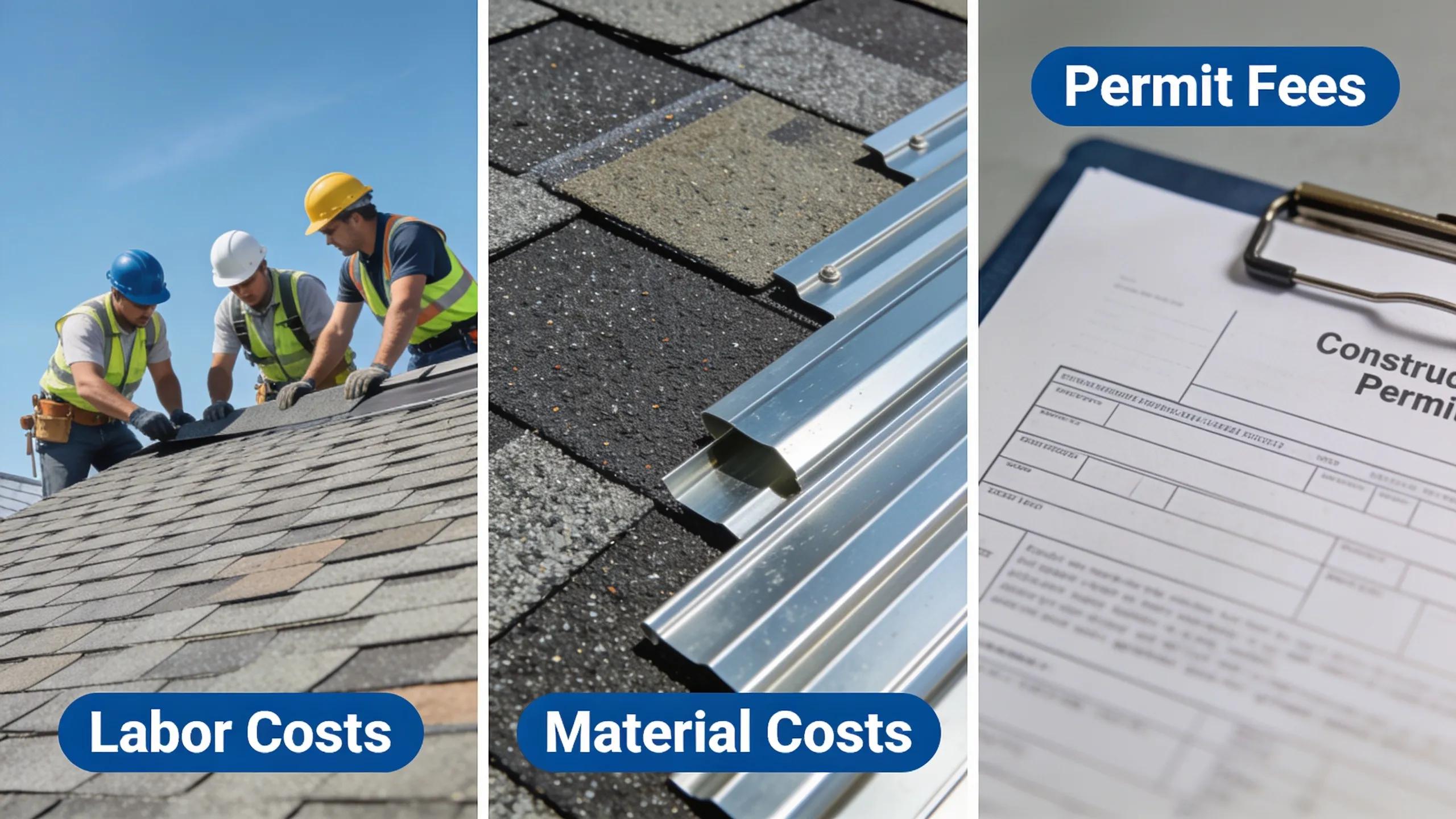
Several elements shape the final estimate: material selection, labor complexity, roof pitch and access, tear-off and disposal of existing roofing, structural repairs, and permit or inspection fees. Material choice—authentic cedar versus synthetic products—often creates the largest swing in per-square-foot cost. Labor rises with steep pitches, intersecting planes, and architectural details. Removing and disposing of old roofing adds to short-term costs, and hidden rot discovered during replacement can require deck repair and raise the total. Clear, itemized estimates help homeowners compare proposals and avoid surprises.

Cost factor breakdown table:

Cost Factor Typical Explanation Impact on Final Price
Material Type and quality (wood, synthetic, metal) High — changes per-sq-ft cost significantly
Labor Installation complexity and crew rates High — steep roofs and details increase hours
Tear-off & Disposal Removal of existing roofing Medium — disposal fees and safety measures
Structural Repairs Deck replacement, flashing upgrades High — unexpected repairs elevate cost
Permits/Inspections Local code compliance in Kansas City Low to Medium — varies by municipality

How Do Synthetic Alternatives Offer Long-Term Savings?

Synthetic shakes and durable metal options usually reduce routine maintenance, lower the frequency of full replacement, and can reduce insurance exposure tied to fire risk—creating lifecycle savings over 20–30 years. When you model conservative lifecycle costs, the higher up-front material cost is offset by fewer repairs, longer warranties, and extended replacement cycles. Less frequent maintenance (fewer treatments, no rot repairs) also saves time and recurring expense, making synthetics appealing to homeowners who want predictable, long-term performance. A 30-year comparison often shows that paying more today can be a financially prudent decision for lower ongoing maintenance and greater resilience.

How Can You Maintain and Repair a Wood Roof to Extend Its Life?

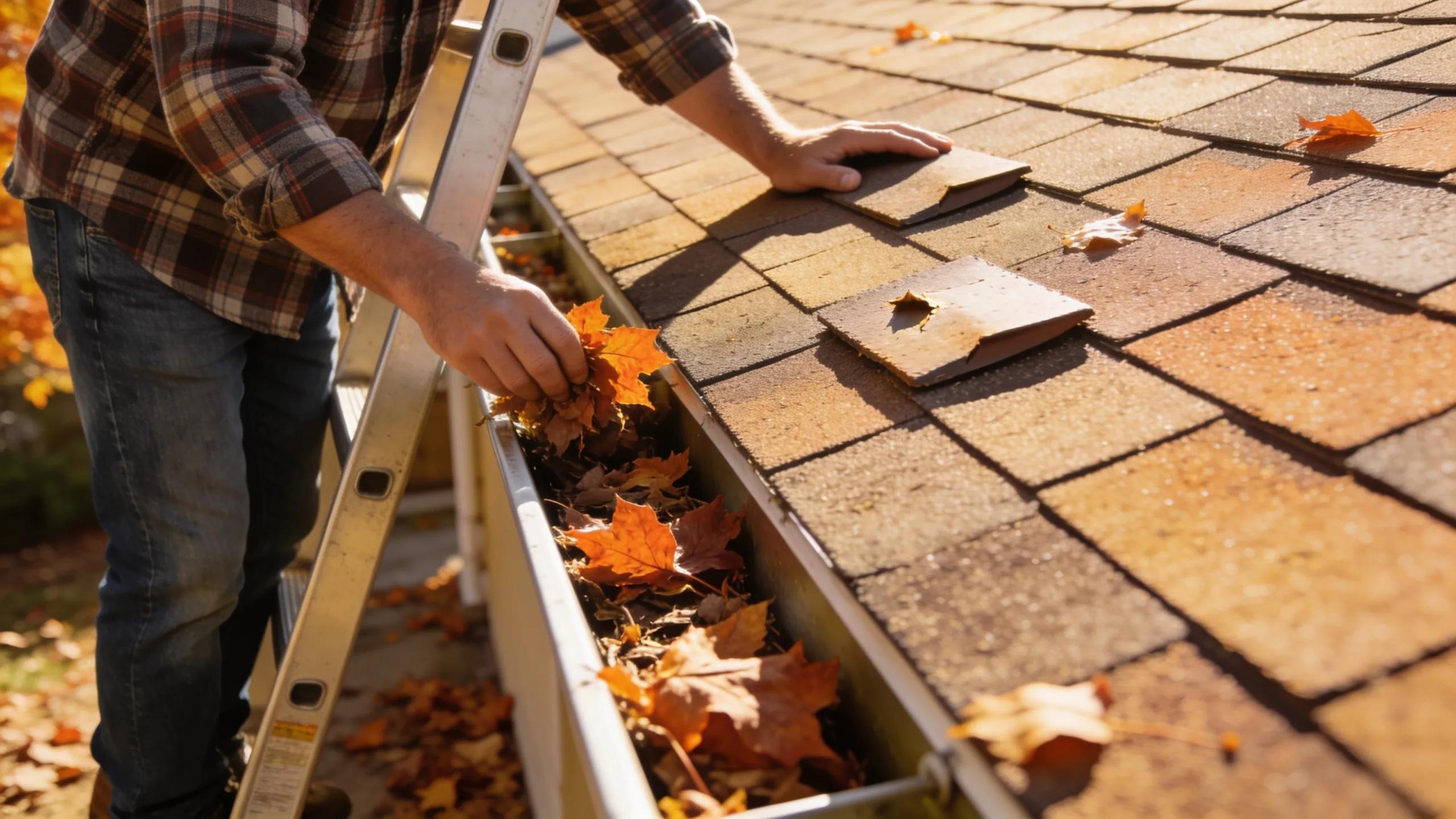
Homeowner inspecting a wood roof and removing debris to maintain longevity

Maintaining a wood roof combines regular cleaning, targeted treatments, timely repairs, and professional inspections to slow deterioration and prevent leaks. Seasonal checks—clearing valleys and gutters, managing nearby vegetation, and addressing minor damage quickly—help avoid deck or structural problems. A clear maintenance schedule assigns tasks and signals when to call a pro; the table below lists common tasks, how to do them, and recommended frequencies to keep a wood roof serviceable. After the maintenance guidance, we outline thresholds for calling a professional in the Kansas City area.

What Are Essential Wood Roof Maintenance Tips for Homeowners?

Key maintenance tasks include removing debris, controlling moss and algae, checking flashing and vents, replacing damaged shakes, and ensuring attic ventilation is working properly to prevent trapped moisture. Trim overhanging branches to reduce shade and debris that encourage moss growth. Remove loose debris monthly during active seasons and avoid pressure washing, which can damage shake faces. Periodic application of appropriate wood preservatives and fungicides—used according to product instructions—can slow rot and mildew when part of a full maintenance plan. Following these steps reduces localized failures and delays larger repairs or early replacement.

Maintenance schedule table:

Maintenance Task How to Perform Recommended Frequency
Debris removal Manually remove leaves and branches from roof and gutters Monthly during fall/spring
Moss/algae control Apply recommended preservative; gently brush affected areas Annually or as needed
Inspection Check flashing, vents, and attic for leaks Semi-annually
Replace damaged shakes Remove and install matching pieces; seal edges as needed As damage appears
Ventilation check Verify attic ventilation and insulation levels Annually

When Should You Call a Professional for Wood Roof Repair in Kansas City?

Call a professional for recurring leaks, visible structural rot, widespread shake loss, or when damage exceeds safe DIY repair. Licensed contractors can assess the roof deck, flashing, and code compliance, and they’ll spot hidden issues—compromised underlayment or ventilation problems—that are easy to miss. A professional assessment typically includes a roof walk, attic inspection, and a written proposal listing materials and labor so you can make an informed choice between repair and replacement. If you need a certified local installer or a detailed estimate, reach out to an experienced contractor for a safe, code-compliant solution.

If you’re ready to move from research to action, Ryan Construction Systems Inc. serves the Kansas City Metro Area with wood roof replacements and synthetic alternatives. Call (816) 741-1941 to schedule an inspection and get an estimate tailored to your home and budget.

Essential homeowner maintenance list recap:

  1. Monthly debris checks: Remove leaves and twigs to prevent moisture traps.
  2. Annual moss control: Apply approved treatments to inhibit fungal growth.
  3. Semi-annual inspections: Check flashing, vents, and attic for leaks.
  4. Prompt shake replacement: Replace damaged pieces before rot spreads.

Quick signs-to-action list for homeowners who inspect their roofs:

  1. Interior water stains: Schedule a professional inspection immediately.
  2. Widespread curling or missing shakes: Start planning for replacement.
  3. Visible rot at eaves or valleys: Expect structural repair and higher costs.

This guide brought together material comparisons, installation considerations, cost drivers, and maintenance practices to help Kansas City homeowners decide about wood roof installation, replacement, and alternatives. For professional assistance, estimates, or inspections related to wood roof replacement or synthetic options, Ryan Construction Systems Inc. offers local expertise and installation services; call (816) 741-1941 to request an evaluation and a written estimate.

Frequently Asked Questions

What is the average lifespan of a wood roof compared to synthetic alternatives?

With proper maintenance, cedar shake roofs typically last about 30 to 40 years. Synthetic options like DaVinci and CeDUR often last 30 to 50 years and usually require less upkeep. While wood gives unmatched natural beauty, synthetics deliver added durability and higher fire resistance, making them a strong choice if longevity and lower maintenance matter to you.

How does climate affect the choice of wood roofing materials?

Climate is an important factor. In humid or rainy areas, wood is more prone to rot and mildew, so synthetics or non‑combustible materials are often a better choice. In drier climates, traditional wood roofs can perform well when maintained. Consider local precipitation, temperature swings, and shade when choosing a material for your roof.

What maintenance tasks are essential for extending the life of a wood roof?

Key tasks include regular debris removal, moss and algae control, and routine inspections. Clear leaves and branches monthly during active seasons, apply wood preservatives as recommended, and check flashing and vents semi-annually. Promptly replace damaged shakes and keep attic ventilation functioning to prevent moisture buildup and extend roof life.

Are there specific insurance considerations for wood roofs?

Yes. Many insurers view wood roofing as higher risk because of fire and rot exposure, which can mean higher premiums. Talk with your insurance provider about coverage options and whether upgrading to fire-resistant materials could reduce your costs. Choosing synthetic products with better fire ratings can sometimes lower insurance risk.

What are the environmental impacts of choosing wood roofing materials?

Wood can be renewable and environmentally friendly when sourced responsibly—look for certifications like FSC (Forest Stewardship Council). Unsustainable harvesting has negative impacts. Synthetic alternatives can reduce environmental impact over time by lasting longer and requiring fewer replacements. Weigh material sourcing, longevity, and maintenance when considering environmental trade-offs.

How do I choose between repairing and replacing my wood roof?

Decide based on damage extent, roof age, and cost. Widespread rot, multiple leaks, or significant curling usually point to replacement. Localized damage may be handled with repairs. Have a professional inspect the roof to evaluate deck condition, flashing, and ventilation so you can make an informed decision.

What are the benefits of hiring a professional for wood roof installation?

Hiring a professional ensures proper installation that follows local codes and best practices. Pros bring experience in material selection, correct installation techniques, and spotting hidden problems. They also provide workmanship and material warranties and a documented estimate—giving you confidence that the job protects your investment.

Conclusion

Choosing the right wood roofing option means balancing look, lifespan, safety, and cost. Understanding installation, maintenance, and replacement considerations helps you protect your investment and keep your home looking its best. If you’d like expert guidance, Ryan Construction Systems Inc. offers local inspections, honest estimates, and professional installation tailored to your needs. Contact us to schedule an evaluation and find the best roofing solution for your home.

Is Your Roof Worn Out? Signs of Repair vs. Total Replacement

How to Tell If Your Roof Needs Repair or a Full Replacement: A Kansas City Homeowner’s Guide to Costs, Lifespan, and Maintenance

Well-maintained roof showing multiple materials — a visual for home protection and routine care

A damaged roof brings up the same question for every homeowner: is this a quick repair or the start of a full replacement? This guide walks you through how to spot common roof problems, understand material lifespans, weigh repair versus replacement, and estimate typical costs in the Kansas City Metro. If you’d like professional help after reading, Ryan Construction Systems Inc. is a local, trusted resource — contact us to schedule an inspection or get an estimate. Below we cover how long roofs last by material, signs that can be repaired, triggers that usually mean replacement (including storm damage), local cost considerations, a homeowner inspection checklist, and why hiring a certified local contractor matters. Read on for practical inspection steps, clear decision rules, and straightforward cost comparisons so you can protect your home and your budget with confidence.

How Long Do Roofs Last and When Should You Consider Replacement?

Roof age is the foundation of the repair vs. replacement decision: the expected service life tells you when a roof’s performance is likely to fall and when replacement becomes the smarter financial choice. Different materials wear out for different reasons — asphalt loses granules and curls under UV exposure, metal can suffer corrosion or fastener fatigue, and tile or slate can crack or slip — and those failure modes shorten useful life. Knowing typical lifespans and comparing them to what you actually see on your roof gives you a simple rule of thumb: if the roof’s age is near its expected life and you’re finding multiple problems, replacement usually offers better long-term value than repeated repairs. The next section gives a compact material lifespan comparison to help with quick decisions and a practical rule for tying age to repairability.

What Is the Average Lifespan of Common Roofing Materials?

Diagram of roofing materials with notes on expected durability and service life

Roofing materials differ widely in how long they last and in how they fail, which affects repair options and warranty expectations. Asphalt shingles generally last 15–30 years and show wear as granule loss and curling. Metal roofs often last 40–70 years but may fail at seams or fasteners. Clay, tile, or slate roofs commonly reach 50+ years but can suffer cracked or slipped pieces and underlayment wear. Kansas City’s climate — hot summers, cold winters, and occasional hail — tends to accelerate shingle wear and can damage underlayment earlier than expected. Understanding these lifespans helps you judge whether a repair will meaningfully extend service life or simply delay an inevitable replacement.

The table below summarizes expected lifespans, typical failure modes, and common warranty ranges so you can compare materials at a glance.

Material Typical Lifespan Common Failure Modes
Asphalt shingles 15–30 years Granule loss, curling, UV degradation
Metal roofing 40–70 years Seams/fastener wear, corrosion, denting
Clay/tile/slate 50+ years Cracking, slipped tiles, underlayment failure
Wood shingles/shakes 25–40 years Rot, splitting, biological growth

This quick comparison makes it clear that material choice strongly affects the timing of replacement and the failure patterns you should monitor. Next we’ll explain how roof age factors into the repair vs. replacement decision.

How Does Roof Age Influence the Repair vs Replacement Decision?

Age turns isolated problems into stronger arguments for replacement because remaining life and accumulated wear determine whether repairs are worth the cost. For instance, a 15-year-old asphalt roof with a small localized leak is often a solid candidate for repair. The same roof at 25 years old, showing granule loss, curling, and attic staining, usually makes replacement the smarter choice. A practical decision rule many homeowners use: if your roof is past roughly 75% of its expected lifespan or if you see several major issues, replacement is typically more cost-effective than repeated spot repairs. Using age alongside condition helps you avoid throwing money at short-lived fixes that hurt long-term value and performance.

What Are the Key Signs of Roof Damage That Indicate Repair Is Needed?

Damage that can be repaired is generally localized and early-stage, limited to replaceable parts like a few shingles, one flashing detail, or a single leak source. Spotting and prioritizing these issues prevents escalation and preserves the roof’s remaining life. The list below highlights the most common repairable conditions; follow it with the detection steps so you can catch problems before they grow.

  • One or a few missing or cracked shingles: Replace the affected shingles to restore the weather barrier.
  • Localized flashing failures around chimneys, vents, or skylights: Resealing or localized replacement usually stops leaks.
  • Small active leaks with limited attic staining: Targeted patching and flashing repair can stop water intrusion.
  • Minor gutter or downspout blockages causing local overflow: Clearing and small repairs reduce water-related damage.

These repairable issues typically pose low immediate structural risk but need attention to avoid escalation. The next section explains how to detect them.

The table below maps common signs to their likely causes, the immediate risk level, and the recommended action so you can triage issues during an inspection.

Damage Sign Likely Cause Immediate Risk Level Recommended Action
Granule loss in gutters Shingle wear Medium Repair/re-evaluate within 1–2 years
Single missing shingles Wind uplift Low Local repair and re-securing
Small attic stains Intermittent leak Medium Repair flashing or patch roof
Curling/buckling shingles Aged shingles/poor ventilation Medium Repair area; consider replacement if widespread
Isolated flashing gap Poor sealant/installation Low Reflash or reseal promptly

Which Minor Roof Issues Can Be Fixed with Repairs?

Minor issues are localized problems that don’t point to decking rot or system-wide failure and can usually be fixed quickly and affordably. Typical repairs include replacing several damaged shingles, re-securing loose flashing, patching small penetrations, and clearing clogged gutters that are causing overflow. Repairs restore weather resistance when the substrate and underlayment are sound and damage is limited to one area rather than multiple slopes. Tackling these repairs promptly prevents water intrusion and extends the roof’s usable life until a full replacement becomes justified.

These repair strategies naturally lead into homeowner detection methods that help you catch issues while they’re still manageable.

How Can You Detect Early Signs of Roof Leaks and Shingle Deterioration?

Detecting early leaks and shingle wear comes down to steady, systematic checks — seasonally and after big storms. Look over the roof surface for granule loss, dark streaks, curling shingles, or displaced pieces; check gutters for excess granules; and inspect the attic for fresh stains, damp insulation, or mold. Use binoculars for a safe exterior scan and a flashlight inside the attic to spot subtle water lines near rafters and seams. Regular, methodical checks help you schedule targeted repairs before small problems become expensive structural issues.

Noticing these cues makes it easier to decide whether damage is still repairable or has moved into replacement territory.

When Does Roof Damage Require a Complete Replacement?

A full replacement is needed when damage is system-wide, the structural decking is compromised, or the roof’s age and condition mean repairs will only buy a little more time. Key replacement triggers include widespread granule loss across large areas, sagging or rotted decking, multiple leaks in different places, or storm damage that affects most roof fields. The list below highlights replacement signals to help homeowners make objective decisions rather than repeatedly fixing symptoms and losing long-term value.

  1. Widespread granule loss and exposed matting across multiple slopes: A sign of advanced shingle wear and imminent failure.
  2. Sagging roof deck or visible structural deformation: Indicates decking rot or framing damage that requires replacement.
  3. Multiple active leaks in different locations: Suggests underlayment or decking failure rather than isolated flashing problems.
  4. Large-scale shingle blow-off after severe wind or hail: When most panels are affected, patching is impractical.

These replacement triggers differ from repairable issues because they affect the system’s integrity and long-term performance. The next subsection explains how storms change the repair vs. replacement equation.

What Are the Major Signs That Signal Roof Replacement Is Necessary?

Replacement signals are clear, tangible signs that spot repairs won’t restore reliable protection. Examples include near-complete loss of shingle granules across the roof, visible decking rot or soft spots in the attic, recurring multi-point leaks that return after repairs, and roof sagging that shows structural compromise. When these signs appear together — especially on a roof that’s near its expected lifespan — replacement is the rational choice to prevent ongoing interior damage and rising costs. Spotting these indicators early avoids emergency fixes and protects your home’s value.

With those indicators in mind, the next section looks at how storm events influence the repair vs. replacement decision.

How Does Storm Damage Affect the Need for Repair vs Replacement?

Storm damage often speeds up the replacement timeline because high-energy events like hail and wind can damage many roofing elements at once and shorten remaining life expectations. Hail can bruise shingles and strip granules, while wind-driven debris can rip off multiple shingles or harm underlayment — creating a pattern that leans toward replacement. After a storm, document any damage, contact your insurer if appropriate, and schedule a professional inspection promptly; waiting can let hidden water intrusion worsen. A timely evaluation will clarify whether repairs will do or if a full replacement is the safer long-term option.

How Much Does Roof Repair vs Replacement Cost in the Kansas City Metro Area?

Cost decisions depend on local pricing, roof complexity, and long-term benefits; Kansas City Metro rates reflect material choice, labor, permit needs, and storm-driven demand. Local repair jobs for limited issues typically fall in modest ranges, while full asphalt replacements vary with home size and complexity. The table below compares common repair scenarios and full replacement with typical local cost ranges, expected remaining lifespan after the work, and ROI considerations to help you budget realistically and choose the most financially sound path.

Scenario Typical Cost Range (KC Metro) Expected Remaining Lifespan ROI Consideration
Minor repair (single area) $338–$1,243 2–10 years High short-term value if underlayment intact
Major repair (multiple areas, flashing) $1,000–$5,000 5–15 years Moderate value; depends on age
Full replacement (asphalt shingles) $5,345–$10,337 15–30 years Long-term value; increases home equity

This local comparison shows when repairs make financial sense and when replacement is the better long-term investment. Next, we’ll review the main cost drivers you should expect.

What Factors Influence Roof Repair Costs?

Repair costs depend on damage scope, matching materials, roof pitch and access, and whether decking or underlayment must be replaced. Steep or complex rooflines raise labor time and safety needs, pushing prices up, while finding matching older shingles can require special sourcing. Permit fees and disposal of old materials also affect the final price. Knowing these drivers helps you get accurate estimates and compare contractor bids on a consistent scope instead of just on headline price.

Understanding cost drivers helps you weigh replacement benefits, which the next section outlines from a financial perspective.

What Are the Long-Term Financial Benefits of Roof Replacement?

A full roof replacement can deliver tangible long-term benefits: better energy efficiency with modern underlayment and ventilation, lower ongoing maintenance and repair costs, and improved resale value and curb appeal. High-quality materials and certified installations often include stronger warranty options that reduce future risk. Over typical ownership cycles, a professionally installed replacement often costs less than repeated major repairs and makes the home more attractive to buyers — especially in Kansas City where storm resilience matters.

With cost and benefit comparisons in hand, use the inspection checklist below to assess your roof and decide on next steps.

How Can Homeowners Perform a Roof Inspection Checklist to Assess Damage?


A careful homeowner inspection finds visible symptoms while keeping safety and documentation in mind. Start with a ground-level exterior scan and then check the attic for interior signs. Regular inspections after storms and at-season changes stop minor problems from growing and build evidence for insurance or contractor assessments. The checklist below gives clear, ordered steps you can follow safely, followed by guidance on when to call a professional.

  1. Exterior scan from ground using binoculars: Look for missing shingles, visible curling, or heavy granule buildup.
  2. Inspect gutters and downspouts: Watch for granules and debris that show shingle wear or concentrated runoff.
  3. Examine flashing, vents, and chimneys: Check for cracked seals, gaps, or deteriorated flashing that commonly cause leaks.
  4. Check the attic for stains and damp insulation: Use a flashlight to inspect rafters, ceilings, and insulation for water intrusion or mold.

These steps help you spot red flags safely and inform whether you need a professional evaluation.

What Are the Essential Steps in a Basic Roof Inspection?

A basic inspection begins with a ground-level exterior review, moves to gutters and roof details, and finishes with an attic check for signs of leaks or ventilation issues. Use binoculars or photos to document findings; note granule accumulation, shingle displacement, and any compromised flashing. Inside the attic, look for recent stains, wet insulation, or daylight showing through the roof deck — all signs of active breaches. Clear documentation and a consistent approach give contractors and insurers the evidence they need to recommend repairs or replacement.

These essential steps help set clear thresholds for when to bring in a pro, which we cover next.

When Should You Call a Professional for a Roof Inspection?

Call a professional if you find multiple leak sources, visible structural problems like sagging, widespread shingle failure, or soft spots in the decking when you inspect the attic. Professionals offer comprehensive assessments, moisture detection beyond what you can see, and documentation suitable for insurance claims and warranty work. They’ll also evaluate ventilation and insulation issues that affect roof life and can recommend system-level fixes like upgraded underlayment or improved ventilation. Working with a certified local contractor ensures accurate diagnosis and helps you choose cost-effective, warranty-backed solutions.

After you’ve learned how to inspect and when to call a pro, the next section explains why choosing a certified local contractor matters and how Ryan Construction Systems Inc. supports homeowners.

Why Choose Ryan Construction Systems Inc. for Your Roof Repair or Replacement in Kansas City?

Ryan Construction Systems Inc. is a Kansas City-based roofing and remodeling resource that focuses on practical solutions for local homeowners. Our teams know regional storm patterns, local permitting, and code requirements — experience that helps when filing claims or planning durable repairs and replacements. We emphasize whole-house thinking, professional inspections, and certified manufacturer relationships so you get the right materials and warranty support. If you want a local inspection or a tailored estimate, contact Ryan Construction Systems Inc. to schedule an on-site assessment and discuss options built for Kansas City conditions.

How Do GAF and Owens Corning Certifications Benefit Homeowners?

GAF and Owens Corning certifications mean installers have manufacturer training and better access to warranty support, which protects homeowners over the life of the roof. Certified installers follow manufacturer installation requirements, lowering the risk of premature failure from poor workmanship and helping ensure warranty coverage remains valid. That translates to better durability, greater confidence in performance, and a clearer path if you need to file a warranty claim. Choosing a certified contractor reduces risk and helps make your replacement a long-term value.

What Local Experience Does Ryan Construction Bring to Kansas City Roof Projects?

Ryan Construction Systems Inc. brings hands-on Kansas City experience, practical storm-response protocols, and familiarity with regional codes and permitting that streamline projects for homeowners. Our local knowledge helps us anticipate weather-driven wear patterns and pick materials and ventilation approaches suited to the climate. Working with a neighborhood specialist also helps with insurance documentation and quick scheduling after storms to limit interior damage. That local expertise gives homeowners a real advantage when weighing repair versus replacement for lasting protection.

  1. When to contact a contractor: Multiple leaks, soft decking spots, or widespread shingle loss.
  2. What to expect from an inspection: A thorough assessment, moisture detection, and a documented scope for repairs or replacement.
  3. Next steps after inspection: A clear written estimate and a recommended timeline for repairs or replacement.

These action steps move you from diagnosis to resolution with a certified local partner who understands Kansas City roofing needs.

Frequently Asked Questions

What are the common causes of roof leaks?

Roof leaks come from several sources: damaged or missing shingles, worn flashing, or deteriorated underlayment. Clogged gutters that cause water backup, ice dams in cold weather, and structural issues like a sagging roof can also lead to leaks. Severe weather often makes existing vulnerabilities worse. Regular inspections help catch these problems early so you can repair them before they become major headaches.

How often should I inspect my roof?

We recommend inspecting your roof at least twice a year — in spring and fall — and again after any severe weather, like hail, heavy wind, or prolonged storms. Regular checks help you spot small issues (missing shingles, granule loss, attic leaks) before they grow into expensive repairs or a premature replacement. Keeping a simple maintenance schedule will noticeably extend your roof’s service life.

What should I do if I find roof damage?

First, assess the severity. Minor issues, like a few missing shingles, can sometimes be handled quickly. For anything more extensive — active leaks, sagging, or widespread shingle loss — call a professional. A qualified roofer will inspect, document damage, and recommend repair or replacement. Acting quickly prevents interior damage and keeps costs from rising.

Can I perform roof repairs myself?

Some basic tasks, such as replacing an individual shingle or clearing gutters, can be DIY if you’re comfortable and safe on a ladder. But climbing on a roof carries real risks, and incorrect repairs can void warranties or cause more damage. If you’re unsure, hire a professional who has the right tools, experience, and safety practices to do the job correctly.

What are the benefits of hiring a certified roofing contractor?

Hiring a certified roofer gives you access to quality materials, trained installation, and stronger warranty protection. Certified contractors follow manufacturer guidelines, which reduces the chance of premature failure caused by poor workmanship. They also understand local codes and permitting, which keeps projects compliant and worry-free. That expertise protects your investment and gives you peace of mind.

How can I improve my roof’s lifespan?

Regular maintenance is the best way to lengthen roof life: schedule routine inspections, fix issues promptly, and keep gutters clear. Proper attic ventilation prevents moisture buildup that leads to rot and mold. When it’s time to replace, choose high-quality materials and a certified installer. Addressing small signs of trouble early prevents bigger problems and helps your roof last as long as possible.

Conclusion

Knowing the signs that point to repair versus full replacement matters for protecting your home and your budget. By understanding material lifespans, spotting repairable issues early, and weighing local costs, you can make informed choices that preserve value and reduce risk. For a personalized assessment and professional inspection, reach out to Ryan Construction Systems Inc. — we’ll help you find the solution that fits your home and your timeline.

Discover Why Ryan Construction is Your Roofing Solution

Why Ryan Construction Systems is the Right Roofing Partner for Kansas City Homeowners

Residential roof replacement in Kansas City showing quality workmanship and a secure home

A solid roof keeps your home safe, comfortable, and valuable — and picking the right contractor sets the tone for years of trouble-free performance. Below we walk you through how to evaluate residential roofing installation services and roof repair in Kansas City with a focus on certified workmanship, smart material choices, storm resistance, and coordinated exterior upgrades. You’ll learn what to expect from a full roof replacement, how pros assess hail damage roof repair, and which materials — from asphalt shingles to metal and tile — suit local conditions best. We also map warranty considerations, inspection steps, and insurance-claim support so you can compare options clearly. Practical next steps like requesting a free roof estimate and reviewing financing choices are included, and our Whole House Concept explains how roofing, siding, gutters, and windows work together for better efficiency and curb appeal. We naturally include local search topics such as residential roof installation Kansas City, GAF certified roofer Kansas City, and hail damage roof repair Kansas City to help you find the right solution.

What Makes Ryan Construction’s Roofing Experience Different in Kansas City?

What separates one roofer from another is practical skill, local know-how, and a consistent process that reduces callbacks and keeps timelines predictable. Our crews follow installation standards shaped by wind and hail exposure, pick the right underlayment and flashing for the job, and stage work to minimize water risk during sudden storms. Those details add up to fewer follow-up repairs, longer-lasting shingles and flashings, and clearer timelines for homeowners working with insurers. When you compare contractors, look for these operational benefits — they matter more than price alone.

How Does Over 35 Years of Roofing Experience Help Kansas City Homeowners?

More than 35 years in roofing and remodeling gives our team practical knowledge of common installation pitfalls, local code requirements, and supplier relationships that keep projects moving. Experienced crews choose the right shingle class, follow correct fastener patterns, and install ventilation and flashing details that perform well in hail- and wind-prone neighborhoods. That experience reduces premature failures, helps maintain warranty eligibility, and improves scheduling during busy seasons through proven foreman-led quality control.

Why Local Knowledge Matters for Kansas City Roofing Contractors

Kansas City roofer reviewing options with a homeowner in a local neighborhood

Local knowledge matters because Kansas City’s storm patterns, tree cover, and permit rules affect material choices and installation details. Contractors familiar with neighborhood microclimates can recommend hail-resistant shingles for exposed roof planes and advise on ridge vent placement or eave flashing where wind-driven rain is common. Working with local suppliers and inspectors reduces delays and smooths permit approvals, shortening the project schedule. That neighborhood-level insight also helps meet HOA guidelines while keeping your roof performing under local stressors.

Putting those homeowner benefits into practice is exactly what Ryan Construction Systems Inc. does across the Kansas City Metro: stable crews, proven installation standards, and local project experience that limit risk and improve timelines. When you ask for an estimate, expect assessments that factor storm history, material performance, and realistic scheduling — a practical way to compare residential roofing options.

How Do Ryan Construction’s Certifications Protect Your Roof Investment?

Certifications act as practical assurances that installers follow manufacturer standards and that products qualify for extended protections. Manufacturer programs require training, verified installation practices, and access to certain warranty levels — all of which affect long-term risk and claim options for homeowners. Certified status means eligibility for enhanced warranties, crews trained in approved procedures, and smoother coordination with manufacturers if issues appear later. Knowing which certifications a contractor holds turns marketing language into real homeowner value.

Key certification benefits include:

  1. GAF certification ensures trained installers and often unlocks manufacturer-backed warranty options.
  2. Owens Corning Preferred status gives access to premium product lines and additional warranty opportunities for qualifying installations.
  3. An A+ BBB rating reflects a record of responsive customer service and documented complaint resolution.

These certifications provide measurable advantages when choosing a Kansas City roofing company and help homeowners set expectations for warranty coverage and post-installation support.

What Do GAF Certified Roofers Bring to Your Kansas City Project?

GAF-certified roofers complete manufacturer training and follow installation protocols that preserve system performance and warranty eligibility. That partnership gives installers access to product-specific underlayments, starter strips, and ridge systems designed to work together, lowering compatibility risks. For homeowners, the benefits are clearer warranty paths, documented installation standards, and fewer chances of warranty problems due to improper installation. It’s smart to verify certification in manufacturer directories when you’re vetting contractors.

How Does Owens Corning Preferred Status Improve Your Roof Options?

Owens Corning Preferred Contractors demonstrate installer competency and access to Owens Corning product families with wide color and performance choices. The program can enable extended warranty options and gives installers technical support for system decisions like shingle class and attic ventilation. For homeowners, that means better-balanced choices between looks and durability, plus clearer options for longer-term protection under manufacturer-backed programs. Ask to see program documentation to confirm the warranty benefits are available for your project.

Why an A+ BBB Rating Matters When Picking a Roofer

An A+ BBB rating shows a history of customer service practices, complaint handling, and business transparency. For homeowners, that rating offers insight into how a company responds to warranty or service questions after the job is done. Reviewing the BBB profile and customer comments gives context on communication, cleanup practices, timelines, and follow-through — important factors that complement technical qualifications.

Before we move on to services, keep in mind how certification and local experience together shape material choices and installation processes for Kansas City projects, especially when you’re weighing storm resilience against curb appeal.

What Residential Roofing Services Does Ryan Construction Offer in Kansas City?

Our residential roofing services span inspection and maintenance to full replacements and storm repairs, each matching different homeowner needs and budgets. A clear service menu helps you decide whether to schedule an inspection, repair a section, or plan a full replacement based on roof age, visible damage, or hail impact. Work typically begins with a documented inspection, a prioritized repair or replacement plan, and a transparent scope that uses manufacturer-approved materials. Understanding the service types helps you pick the right intervention for your roof’s condition and local weather risks.

Below is a quick comparison of common roofing materials to help you weigh lifespan, weather performance, and cost.

Roofing Material Typical Lifespan Weather Performance Cost Estimate
Asphalt shingles 20–30 years Good wind and moderate hail resistance –$$
Metal roofing 40+ years Excellent wind and hail performance $$–$$$
Tile roofing 50+ years High longevity; best for compatible structures $$$

This snapshot clarifies trade-offs for Kansas City homeowners so you can prioritize durability, style, or budget before reviewing repair timelines and insurance coordination.

Which Roofing Materials Do We Install for New Roofs?

Asphalt shingles are a cost-effective, versatile choice with many style options and reliable performance in typical Kansas City conditions. Metal roofing delivers long life and strong impact and wind resistance — attractive if you want low maintenance. Tile roofing offers exceptional durability and a distinctive look but requires appropriate framing due to weight; it’s chosen when the home’s structure and style fit. Selecting the right material means balancing lifespan, weather resilience, structural compatibility, and budget.

How We Handle Expert Roof Repairs and Routine Maintenance

Good repairs start with a thorough inspection that documents leaks, damaged shingles, underlayment failures, or flashing problems, then moves to a prioritized plan that fixes root causes rather than quick patches. We use manufacturer-approved materials and techniques to protect warranty coverage and restore system performance. Maintenance services include regular inspections, debris removal, and vent or flashing adjustments. For storm damage, professional photos and a documented report support insurance claims and replacement decisions. Regular maintenance extends roof life and reduces emergency repairs.

What You Should Know About Hail Damage Roof Repair in Kansas City

Hail damage often shows as crushed granules, bruising, or small pits that require a professional assessment to decide between spot repair and full replacement — even minor-surface damage can affect certain warranties. A certified inspection documents severity, links visible signs to performance risks, and helps determine whether multiple planes need replacement. Working with insurers means providing clear documentation, scope recommendations, and sometimes manufacturer input to validate replacement needs. After major storms, schedule an inspection promptly to protect warranty rights and support a timely insurance outcome.

Use inspection findings and the material comparison above to choose the most cost-effective, durable approach for your house and neighborhood exposure.

How the Ryan Construction ‘Whole House Concept’ Improves Your Exterior

Coordinated exterior upgrades: new roof, siding, and gutters for a unified home exterior

Our Whole House Concept pairs roofing with complementary exterior upgrades — siding, gutters, and windows — to build coordinated systems that boost energy performance and curb appeal. Treating the roof as one part of the home’s envelope lets us optimize attic ventilation, insulation transitions, and drainage so each upgrade reinforces the others. That approach reduces redundant work, shortens combined project timelines, and delivers a cleaner, more cohesive result. Thinking about the exterior as a system helps prioritize investments that show measurable performance and value gains.

The practical benefits of a coordinated exterior strategy include:

  • Better energy efficiency through improved attic ventilation and aligned insulation work.
  • Lower long-term maintenance by replacing connected systems together, such as flashing and gutters.
  • Stronger curb appeal from consistent materials and color choices across roof, siding, and trim.

Combined projects often end up more cost-effective in practice and increase the chance of meeting both performance and aesthetic goals for the whole house.

Which Exterior Improvements Best Complement a New Roof?

Replacing siding aligns material transitions at eaves and rooflines to prevent water intrusion and create a unified finish, while new trim seals joints and improves visual continuity. Resizing or repositioning gutters and downspouts during roofing ensures proper drainage and protects foundations from runoff. Window replacements or upgraded flashing improve air sealing and let you coordinate aesthetics across the exterior. Bundling these tasks reduces duplicate labor, shortens scaffold time, and usually produces a smoother experience.

How the Whole House Approach Raises Efficiency and Curb Appeal

Upgrading the exterior as a system allows simultaneous improvements to attic ventilation, insulation continuity, and reflective roofing options that together lower HVAC loads and stabilize indoor comfort. For example, adding properly sized ridge and soffit vents while sealing attic bypasses during a roof replacement can reduce cooling costs. Matching exterior finishes and colors enhances curb appeal and can increase resale value. The integrated approach delivers immediate comfort gains and long-term financial benefits.

Before choosing a contractor, weigh combined cost efficiencies and performance gains when planning roof work alongside other exterior updates.

Why a Local Ryan Construction Team Is the Smart Choice for Your Roofing Project

A local, steady crew brings tighter quality control, faster response times, and institutional knowledge of municipal procedures that keep projects on schedule. Local teams can provide nearby references, respond quickly after storms, and navigate inspections with city departments. Clear project management — written scopes, timelines, and cleanup plans — reduces homeowner risk and creates predictable outcomes. Choosing a contractor with a local presence and repeatable processes minimizes surprises during installation and repair.

How a Dedicated Kansas City Roofing Crew Drives Project Success

Dedicated crews use consistent installation methods that support quality control and cut down on variability that leads to callbacks. Defined roles — project managers and foremen — coordinate deliveries, scheduling, and on-site checks to prevent delays and keep the site safe. Familiarity with local permits, inspection timing, and supplier networks speeds approvals and reduces unwanted substitutions. Those operational advantages make projects smoother and communication clearer for homeowners throughout construction.

What Customer Service Standards We Stand By

Our customer service standards include clear, written estimates that spell out scope, materials, and timelines, followed by post-installation inspections to confirm everything meets expectations. Responsive follow-up and documented warranty procedures help resolve issues quickly and preserve manufacturer protections. A formal feedback loop that addresses concerns and records completion builds homeowner confidence. These practices, paired with local accountability, form the foundation for dependable roofing outcomes.

These team and service standards lead directly into practical next steps for homeowners, including estimate workflows and financing options.

How to Get Started with Ryan Construction for Your Roofing Project

Getting started is a simple three-step process that clarifies scope and timing while lowering friction: request a free estimate, allow for a professional inspection and written quote, then schedule the project once scope and financing are settled. This workflow helps you gather insurance documentation, select materials based on clear trade-offs, and plan around weather windows. Clear communication during estimate and inspection phases reduces surprises and aligns expectations about timing and site access. Knowing financing options ahead of time can speed scheduling and avoid delays.

Prepare for a free roofing estimate with these practical steps:

  1. Gather documentation: photos of visible issues and any insurance claim numbers if applicable.
  2. Schedule the inspection: give the roofer access for a thorough, documented assessment.
  3. Review the written estimate: confirm materials, warranty details, timelines, and insurance coordination.

This three-step approach moves you from interest to a scheduled installation more smoothly and helps avoid common delays in roof replacement projects.

Before we cover financing, this table explains typical estimate and financing elements so you know what to expect when requesting a quote.

Estimate/Financing Option What It Covers Typical Details
Free roof estimate On-site inspection and written quote Includes scope, materials, and projected timeline
Insurance-claim support Documentation for your claim submission Professional photos, damage report, and scope recommendations
Financing options Lower upfront cost through payment plans Terms vary; ask for example monthly payments during the quote

This table helps you prepare questions and documents to speed the estimate and approval process and highlights practical ways to get started.

What to Expect When Getting a Free Roofing Estimate in Kansas City

A free estimate starts with your request and scheduling an on-site inspection where the roofer documents condition, measures roof planes, and checks flashing and ventilation. You’ll receive a written scope with material recommendations, line-item detail, and an estimated timeline to compare bids. Turnaround for a written estimate usually ranges from a few days to a week depending on season and backlog. Sharing photos, insurance paperwork, and preferred scheduling windows speeds the process and improves quote accuracy.

Which Financing Options Can Help Pay for a Roof Replacement?

Common financing routes include contractor-arranged payment plans, third-party homeowner financing, or insurance proceeds for storm-related replacements — each affects start timing and out-of-pocket costs. Payment plans reduce initial cash needs but extend repayment; insurance settlements can cover large portions of cost but require clear documentation and adjuster coordination. Ask for sample monthly payments and required paperwork so you can compare options during the estimate visit. Talking about financing early prevents scheduling delays and helps set a realistic start date.

Once you understand financing and the estimate workflow, you’ll be better prepared to choose a qualified contractor, gather documents, and schedule a durable, warranty-backed roofing project that fits your needs and local conditions.

Frequently Asked Questions

What are the signs that my roof needs repair or replacement?

Look for visible leaks, missing or broken shingles, sagging areas, and granules in gutters. If your roof is around 20 years old or older, consider a replacement evaluation — especially if you notice these issues. Regular inspections catch problems early so repairs can extend roof life and avoid bigger costs later.

How can I prepare for a roofing project?

Start by collecting documentation like photos and any insurance claim info. Clear the area around your home for crew access and let neighbors know about possible noise or parking needs. Talk with your contractor about materials, schedules, and any concerns so expectations are aligned before work begins.

What should I expect during the roofing installation process?

Expect a full inspection, removal of old materials if needed, and installation of new underlayment, flashing, and shingles per manufacturer specs. Your crew will communicate progress and any unexpected issues. A post-installation inspection confirms the work meets quality standards and your expectations.

How do I choose the right roofing material for my home?

Consider budget, local climate, and your home’s style. Asphalt shingles are versatile and cost-effective; metal is durable and impact-resistant; tile is long-lasting but heavier and needs proper framing. Compare lifespan, weather performance, and maintenance to pick what fits your needs.

What financing options are available for roofing projects?

Options include contractor payment plans, third-party loans, or insurance proceeds for storm repairs. Each has different impacts on upfront cost and repayment. Discuss financing during the estimate so you can pick the best path and avoid delays.

How can I ensure my roof is storm-ready?

Choose materials rated for local conditions, like hail-resistant shingles, and maintain proper ventilation and flashing. Regular inspections catch vulnerabilities such as loose flashing or damaged shingles. Work with a contractor who understands Kansas City storm patterns to design features that boost resilience.

Conclusion

Choosing Ryan Construction Systems means a dependable, high-quality roof backed by more than 35 years of local experience. Our focus on certified materials, skilled installation, and a whole-house approach delivers long-lasting protection against Kansas City’s unpredictable weather while improving energy performance and curb appeal. Contact us to schedule your free estimate and take the first step toward a durable, attractive roof you can count on.

Trustworthy Local Residential Roofing Contractors Near You

Trusted Local Residential Roofing Contractors in Kansas City — Expert Roof Repair, Replacement & Installation

Kansas City roofer inspecting a home's roof with tools and materials

Finding a trusted local residential roofing contractor in Kansas City starts with knowing the region’s common roof risks and the services that prevent them. This guide walks you through how local roofers diagnose problems, weigh material choices like asphalt shingles versus metal, handle storm damage and insurance, and lay out clear cost and financing options. With hail, strong winds, and freeze–thaw cycles shortening roofs across the Metro Area, we focus on practical evaluation criteria, typical service workflows, and material recommendations tailored to Kansas City homes. You’ll learn what credentials and warranties matter, how contractors decide between repair and replacement, and step-by-step guidance for post-storm inspections and claims. The article covers six core areas: choosing trustworthy contractors, the range of residential roofing services, material choices for the local climate, storm-damage workflows and insurance help, cost and financing expectations, and neighborhood-specific considerations. Throughout, useful search phrases like residential roofing Kansas City, roof repair Kansas City, and hail damage roof repair Kansas City are included to help you find reputable local support.

Why Choose Trusted Residential Roofing Contractors in Kansas City?

Working with a trusted contractor lowers risk, delivers consistent workmanship, and protects your home investment. Good contractors combine verified certifications, local knowledge, and clear warranties so you understand how materials and installation work together to prevent leaks, extend roof life, and improve energy performance. That means fewer emergency calls and better resale value. Contractors who document their work and keep communication clear reduce costly misunderstandings. Knowing what to look for helps you spot solid providers versus those who underbid and cut corners. A local roofer also understands permits, neighborhood aesthetics, and HOA rules that influence materials and finishes across Kansas City communities. Below we outline the credentials and local know-how that signal a dependable contractor.

What Experience and Certifications Make a Roofing Contractor Reliable?

Verified credentials offer measurable signs of quality: manufacturer certifications like GAF or Owens Corning show installer training tied to extended warranties. Third-party validation—Better Business Bureau ratings and documented customer reviews—helps confirm work is completed as promised and warranty issues are handled. Proper licensing and insurance protect homeowners by ensuring liability and worker coverage during projects. When you compare bids, look for explicit warranty language, manufacturer-backed guarantees, and written maintenance recommendations so you understand long-term protection. Spotting these credentials up front leads directly into how local climate knowledge affects material and installation choices.

How Do Local Contractors Understand Kansas City’s Unique Roofing Needs?

Local roofers tailor installs to Kansas City’s pattern of hail, high winds, and temperature swings by recommending impact-resistant products, durable flashing details, and ventilation strategies that limit freeze–thaw problems. They account for neighborhood risks—large trees, ice dams on low-slope roofs, and local microclimates—when advising on shingle class, upgraded underlayment, or metal panels. Modern inspection tools, like drone scans, help find subtle issues—granule loss or lifted flashing—before leaks start, enabling preventative repairs. Familiarity with local building codes and permit timelines also reduces delays, limiting weather exposure and keeping budgets on track. That local expertise flows into the services contractors offer and how those services meet homeowner goals.

To orient homeowners locally: Ryan Construction Systems Inc. serves the Kansas City Metro Area with residential roofing services—new roofs, storm and hail repair, maintenance, and replacements—offering asphalt shingles, metal roofing, flat-roof systems, and hail-damage restoration. The company carries manufacturer credentials (GAF Certified Contractor and Owens Corning Preferred Contractor), an A+ BBB rating, and provides free, no-obligation quotes—useful trust indicators when comparing bids. Those business signals support decision-making; the next section explains the services so you can evaluate your needs independently.

What Residential Roofing Services Do Local Kansas City Contractors Offer?

Samples of asphalt shingles and metal roofing options for Kansas City homes

Local residential roofers provide a range of services from inspections and targeted repairs to full replacements and new installations, each sized to the roof’s condition and homeowner priorities. Inspections find leak sources, flashing or ventilation failures; repairs cover shingle patching, underlayment or flashing replacement; full replacements address widespread wear, storm damage, or a desired performance or aesthetic upgrade. Preventive maintenance and scheduled inspections extend roof life and catch small problems before they become emergencies. New installations incorporate modern underlayments, ventilation, and manufacturer-backed warranty programs. Understanding these service types helps homeowners choose between repair and replacement based on safety, longevity, and budget. Below are common service categories and what to expect from each.

  • Core services: inspections, targeted repairs, and full roof replacement matched to the home’s condition.
  • Preventive maintenance plans that summarize roof condition, recommend timing for work, and help prioritize expenses.
  • Specialty services—hail damage repair and flat-roof maintenance—target frequent failure points in Kansas City climates.

With that overview in place, the next section explains how repair work addresses typical homeowner concerns and when replacement is the wiser choice.

How Does Roof Repair Kansas City Address Common Homeowner Concerns?

Roof repair usually begins with a structured inspection to locate active leaks, evaluate flashing and vent seals, and check shingle condition after storms. Technicians document findings with photos and notes, recommend temporary protections (tarps) when immediate exposure exists, then prioritize repairs that fix the source and prevent recurrence. Typical repairs include replacing damaged shingles, resealing or replacing flashing, and improving localized drainage or ventilation to reduce future ice or moisture problems. Scheduling depends on material availability and weather—many repairs happen within days to a couple of weeks—so knowing expected timelines helps homeowners avoid interim water damage. Clear documentation also becomes part of your home records for maintenance and insurance purposes.

When Is Roof Replacement Necessary for Kansas City Homes?

Full replacement is generally recommended when shingle failure is widespread, leaks recur at multiple points, or the roof has reached the end of its expected life. Indicators include frequent patching, visible decking rot or sagging, extensive hail or wind damage across large areas, or a homeowner choosing an aesthetic or performance upgrade, such as moving from basic 3-tab shingles to architectural shingles or metal panels. Replacing a roof lets you modernize underlayment, ventilation, and flashing—reducing long-term maintenance and often qualifying for better manufacturer warranties. A clear cost‑benefit look at future maintenance, energy impacts, and resale value helps decide between ongoing repairs and replacement.

Which Roofing Materials Are Best for Kansas City Residential Roofs?

Material choice in Kansas City balances cost, durability, storm resistance, and neighborhood character, while accounting for hail and wind exposure. Asphalt shingles are common for value and availability; metal roofing provides long life and strong wind/hail resistance for exposed properties. Low-slope and flat systems need specialized membranes and regular upkeep to avoid ponding and leaks. Material choice depends on desired lifespan, budget, and style fit with the neighborhood—your contractor should explain how each option performs under local conditions. The table below compares common choices with practical guidance for Kansas City homes.

Different materials trade off cost, lifespan, and storm resilience in ways that affect long-term homeowner value.

Material Typical Lifespan Pros Cons Best Uses in KC Climate
Asphalt Shingles 20–30 years Cost-effective, many style choices, straightforward repairs Can lose granules and suffer hail damage Most single-family homes in areas with moderate exposure
Metal Panels 40–70 years Very durable, excellent wind/hail resistance, reflective finishes Higher upfront cost, specialized installation required Homes in high-exposure locations or owners planning long-term investment
Modified Bitumen / Flat Membrane 15–30 years Built for low-slope drainage, works well over HVAC areas Requires attention to ponding and seam maintenance Garages, porches, and low-slope main roofs with proper drainage

The table shows which materials align with common homeowner priorities in Kansas City; the next sections dive into asphalt and metal options with practical scenarios and care tips.

What Are the Benefits of Asphalt Shingles for Kansas City Homes?

Asphalt shingles strike a balance between affordability, availability, and broad warranty choices—making them a solid option for many Kansas City homeowners. Architectural and designer lines offer better wind resistance and longer warranties than basic 3-tab shingles, and when paired with upgraded underlayment and correct ventilation they deliver good long-term value. Asphalt is relatively easy to repair in small areas, lowering short-term costs after localized storm damage. Proper attic ventilation and moisture control are important for meeting expected lifespans in Kansas City’s seasonal climate, and impact-resistant shingle options can reduce hail-related damage risk.

How Does Metal Roofing Compare for Durability and Style in Kansas City?

Metal roofing stands out for longevity, strong resistance to wind uplift and hail, and potential energy savings from reflective finishes that reduce attic heat gain. Although the up-front cost is higher than asphalt, metal roofs can outlast several asphalt cycles and usually require less maintenance—making them attractive for homeowners focused on lifetime value. Metal panels come in standing-seam, corrugated, or patterned profiles, so they suit both traditional and modern neighborhood looks. For steep roofs or homes exposed to frequent storms, metal’s longevity and resilience often justify the initial investment.

How Do Local Roofers Handle Storm Damage and Insurance Claims in Kansas City?

Contractor documenting storm-related roof damage on a Kansas City home

After a storm, fast, documented inspection and clear communication are key. Contractors assess safety, photograph damage, and apply temporary protections to stop active leaks. Effective storm workflows emphasize evidence collection—date-stamped photos, signed inspection reports, and material samples—to support homeowner insurance claims and reduce disputes with adjusters. Roofers experienced with claims prepare detailed estimates and scopes that align with insurer expectations and advise homeowners on common denial reasons to avoid. The table below shows typical steps, roles, and the documentation you’ll need during a storm-claim process.

The following table outlines the standard workflow from inspection through claim submission and repair, clarifying who does what and what evidence is usually required.

Step Action Who Does It Documents/Proof Needed
1. Safety assessment & temporary protection Secure roof, apply tarps if needed Contractor / Homeowner Photos of damage, temporary tarp receipt
2. Detailed inspection & documentation Full condition report, drone imagery when applicable Contractor Inspection report, high-res photos, drone scans
3. Estimate & scope preparation Itemized repair/replacement estimate Contractor Written estimate with material specs
4. File claim & meet adjuster Submit claim, coordinate on-site with adjuster Homeowner with contractor assistance Inspection report, estimate, prior maintenance records
5. Repair scheduling & execution Procure materials, perform repairs, final inspection Contractor Final invoice, completion photos, warranty paperwork

This workflow shows why documentation and clear roles matter; the sections that follow break each phase down into practical steps for homeowners.

What Is the Process for Post-Storm Roof Inspection and Repair?

Post-storm response starts with a safety check to identify active leaks and unstable areas; temporary tarping or boarding prevents further water intrusion while a full inspection is scheduled. Inspectors document hail dents, shingle loss, and flashing failures with date-stamped photos and—when useful—drone imagery showing impact patterns across the roof. Contractors then create an itemized estimate that ties each repair to the photos and recommended materials, so you can present a complete package to your insurer. After approvals, repairs are scheduled with clear timelines; a final inspection and warranty paperwork complete the project for your records.

How Can Homeowners Navigate Insurance Claims for Roof Damage?

To improve claim outcomes, collect pre‑ and post‑storm photos, keep maintenance records, and obtain a documented contractor estimate before meeting an adjuster. When the adjuster visits, reference the contractor’s inspection report and photos so everyone is reviewing the same damage patterns—contractors often accompany homeowners to explain technical scope items. Common denials arise from insufficient evidence, discrepancies between estimates and adjuster findings, or disputes about preexisting conditions, so timely, clear documentation reduces those risks. If disagreements occur, request a secondary review or provide supplemental inspection materials from your contractor to support the claim.

Ryan Construction Systems Inc. offers inspection and claims assistance to Kansas City homeowners—delivering documented inspections, photo reports, and scope estimates designed to simplify interactions with insurance adjusters and speed repairs. This service keeps homeowner responsibilities clear while the contractor handles technical documentation and repair planning. With that process in mind, homeowners can better plan for costs and financing tied to repairs or replacements.

What Are the Typical Costs and Financing Options for Residential Roofing in Kansas City?

Roofing costs in Kansas City vary by material, roof complexity, labor, and whether work is storm-driven or planned. Clear expectations help you budget and compare bids. Typical cost items include materials, underlayment, flashing, ventilation improvements, disposal, and permits; complex geometry and steep pitches increase labor. Financing options include contractor payment plans, personal loans, HELOCs, or credit cards—each with tradeoffs in interest, term, and speed. The table below gives representative cost ranges and typical timelines to help set realistic expectations.

This table summarizes local cost ranges, common financing routes, and expected timelines so you can compare scenarios and plan your budget.

Service Type Typical Cost Range (KC) Financing Options Typical Timeline
Small repairs (patching, flashing) $300–$1,500 Pay-in-full, short contractor payment plans 1–7 days to schedule, 1–3 days to complete
Moderate repairs (partial re-roof) $1,500–$6,000 Contractor financing, personal loan 1–2 weeks to schedule, 2–5 days to complete
Full roof replacement $5,000–$25,000+ HELOC, personal loan, contractor financing 2–6 weeks to schedule, 2–7 days to complete

Use this framework to see how scope and materials drive budgets; the next sections cover common cost drivers and how to choose financing.

How Much Does Roof Repair and Replacement Cost in Kansas City?

Key cost drivers include roof square footage, pitch and complexity, tear-off versus overlay, material selection (basic asphalt, premium architectural shingles, or metal), and any deck or structural repairs found during removal. Small, localized repairs typically run in the low hundreds to a few thousand dollars; full replacements vary widely by size and materials, so getting multiple detailed bids is important. Ask each contractor for a written estimate that lists materials, underlayment, ventilation work, and disposal so you can compare offers fairly. Clear estimates also help when negotiating with insurers by matching contractor scope to adjuster findings.

What Financing Solutions Are Available for Kansas City Homeowners?

Choose financing based on your cost of capital, term preference, and how quickly you need funds. HELOCs often provide lower rates but require equity and can take longer to arrange. Contractor financing may be convenient but varies by provider and rate. Personal loans or home improvement loans offer predictable monthly payments without tapping home equity. Some contractors provide phased payment schedules or short-term plans for smaller repairs, and lenders sometimes offer project-specific products for major replacements. Compare total interest, monthly payments, and repayment flexibility to pick the best option for your situation.

Which Kansas City Neighborhoods Do Trusted Local Roofing Contractors Serve?

Local contractors serve a wide area across the Kansas City Metro, adjusting materials and methods to suit housing stock, local ordinances, and environmental exposure. Service areas include inner-ring neighborhoods, suburbs, and nearby towns where older roofs often need sympathetic repairs or careful replacements to match historic styles. Contractors adapt shingle colors, profiles, and attachment methods to meet HOA rules or historic-district guidelines while ensuring modern performance. The next section highlights Parkville and nearby-community considerations and how contractors tailor services to local needs.

  • Contractors tweak material recommendations and installation details to match neighborhood style and regulatory requirements.
  • Parkville’s older homes and heavy tree cover influence recommended shingle types and maintenance frequency.
  • Contractors also handle permits and inspections per local municipal rules to avoid project delays.

Those service-area points lead into the Parkville-specific guidance below.

What Residential Roofing Services Are Available in Parkville and Surrounding Areas?

Parkville and nearby neighborhoods often need care for tree-related debris, moss, and sensitive replacements that preserve curb appeal on older homes. Contractors offer cleaning, selective shingle patching, and full replacement with color and profile guidance to align with neighborhood character. Common local services include hail and wind repair, preventive maintenance to clear gutters and trim overhangs, and recommendations for impact-resistant shingles where debris or hail is frequent. Familiarity with Parkville permit timelines and inspection expectations helps reduce downtime and ensures compliance. Ask for a localized estimate that considers these neighborhood factors when planning work.

How Do Local Contractors Customize Services for Different Kansas City Communities?

Contractors tailor scope, material choices, and permitting workflows depending on whether a house is in an HOA, a historic district, or a neighborhood with specific architectural standards. This customization keeps work compatible with local rules while delivering modern performance. In historic areas, contractors prioritize color, texture, and attachment methods that preserve visual character; in newer subdivisions, the emphasis may be on efficiency and manufacturer-backed warranties. Knowing local permitting and inspection processes reduces scheduling friction and helps projects finish on time. These neighborhood adjustments lead to smoother outcomes and fewer surprises for homeowners.

Ryan Construction Systems Inc. provides localized service throughout the Kansas City Metro Area, including Parkville, and offers free, no-obligation quotes so homeowners can compare materials, timelines, and financing. Their local focus aims to simplify permit coordination and material selection for area homes.

Ready for an inspection or estimate? Contact Ryan Construction Systems Inc. at (816) 741-1941, email [email protected], or visit the Parkville office at 205 West 6th Street, Parkville, MO 64152. A thoughtful conversation with a licensed local contractor will help you weigh repair versus replacement, compare material lifespans and warranty options, and plan financing to fit your schedule. If you suspect storm damage or your roof is nearing the end of its service life, a documented inspection is the next practical step.

Frequently Asked Questions

What should I look for when choosing a roofing contractor in Kansas City?

Focus on experience, verified certifications, and customer feedback. Look for manufacturer certifications like GAF or Owens Corning, which show proper installation training. Check Better Business Bureau ratings and read reviews to confirm reliability. Verify licensing and insurance to protect yourself during the project. A trustworthy contractor provides clear, written estimates and warranties so you know what’s covered.

How can I prepare for a roof inspection after a storm?

Gather any prior inspection reports and maintenance records, and take photos of visible damage. Be ready to describe leaks or problem areas you’ve noticed. Make the property accessible for the contractor to perform a thorough inspection—this helps them assess damage quickly and recommend next steps.

What are the signs that my roof needs immediate repair?

Immediate repair may be needed if you see active leaks, water stains on ceilings or walls, missing or badly damaged shingles, or sagging roof areas. Finding shingle granules in your gutters or spotting mold or mildew in the attic are also warning signs. If you see any of these, contact a roofing professional right away to prevent more costly damage.

How do I know if my roof can be repaired instead of replaced?

Whether a repair will do depends on the roof’s overall condition and damage extent. Localized issues—like a few missing shingles or small leaks—can often be repaired. Widespread problems, recurrent leaks, extensive water damage, or an aged roof usually point to replacement. A professional inspection will give you a clear recommendation based on age, material, and condition.

What financing options are available for roof repairs or replacements?

Homeowners can use contractor payment plans, personal loans, HELOCs, or credit cards depending on cost, urgency, and available equity. HELOCs often have lower rates but require equity and take longer to arrange. Personal loans offer predictable payments without using home equity. Compare rates, terms, and total interest to choose the best fit for your budget.

How can I maintain my roof to extend its lifespan?

Regular maintenance extends roof life. Schedule annual inspections, keep gutters and downspouts clear, and trim overhanging branches to reduce debris and damage. Ensure proper attic ventilation to avoid moisture buildup and ice dams in winter. Proactive upkeep prevents small issues from becoming major repairs.

Conclusion

Choosing a trusted local roofing contractor in Kansas City helps protect your home from the area’s common threats—hail, wind, and seasonal temperature swings. By understanding services, materials, and financing options, you can make informed decisions that boost your property’s performance and value. Working with a qualified contractor simplifies repairs or replacements and gives you documented inspections and transparent communication for peace of mind. Take the next step: contact Ryan Construction Systems Inc. for a free, no‑obligation quote today.

Top Tips for Finding Local Roofing Contractors Near Me

How to Choose the Best Local Roofing Contractors in Kansas City: A Complete Homeowner’s Guide

Kansas City roofer inspecting a residential roof

Hiring a local roofing contractor is one of the most important investments a homeowner can make — it affects safety, resale value, and long-term upkeep costs. This guide walks Kansas City homeowners through checking credentials, comparing detailed estimates, and choosing materials that handle our weather. You’ll find practical steps to verify licenses and insurance, clear explanations of manufacturer certifications like GAF and Owens Corning, and a simple method for reading line-item roofing bids. The guide also covers reputation checks, material choices tailored to Kansas City’s hail and wind exposure, and a contract checklist to avoid surprise costs. Finally, we show how a trustworthy local provider brings manufacturer certifications and a whole-house approach to exterior work. Read on for step-by-step actions, handy comparison tables, and decision checklists to help you hire a reliable roofer with confidence.

Why Is Choosing the Right Local Roofing Contractor Important?

Picking the right local roofing contractor matters because roofing affects your home’s structure, weather resistance, and future repair bills. A qualified local contractor knows municipal codes, common weather-related issues like hail and wind, and installation practices that protect warranties and resale value. Proper installation lowers the chance of leaks and repeated repairs; poor work can void manufacturer warranties or cause costly callbacks. In Kansas City, local experience is especially valuable for timely hail-damage work and selecting materials proven to perform in this climate — helping you avoid unexpected costs and protect insurance outcomes.

What Risks Do Homeowners Face with Unreliable Roofers?

Unreliable roofers can create financial, safety, and legal headaches that only show up after the project starts. Typical problems include missing permits, inadequate insurance, improper tear-off that harms decking, and poor flashing or fastening that leads to leaks. Those issues can expose homeowners to liability for injuries, void material warranties, and shorten a roof’s usable life. Insist on written proof of permits and insurance, and document the contractor’s cleanup, permit handling, and warranty promises to lower your risk and improve accountability.

How Does a Trusted Roofing Contractor Protect Your Home and Investment?

A trusted contractor protects your home with a thorough inspection, certified installers, code-compliant work, and written warranties that preserve homeowner protections. A good provider will inspect decking, underlayment, flashing, and ventilation, then explain when repair makes sense versus replacement. Certified crews follow manufacturer specs that keep warranty coverage intact and reduce future leak risk. Transparent contracts spell out materials, labor, tear-off, and cleanup. That disciplined approach gives more predictable performance, better resilience to hail and wind, and preserved property value.

What Are the Essential Credentials to Verify Before Hiring a Roofing Company?

Verifying credentials gives homeowners objective proof of competence, insurance coverage, and warranty support. Essential items to check include a current local contractor license where required, general liability and worker’s compensation insurance, manufacturer certifications (for example, GAF or Owens Corning), and reputable public ratings like the Better Business Bureau or HomeAdvisor. Confirming these before signing reduces the chance of out-of-pocket liability, ensures installations meet manufacturer standards, and provides paths for dispute resolution. Below is a short verification checklist and a table explaining what each credential actually means for homeowners.

  1. Request a certificate of insurance and confirm policy limits.
  2. Ask for proof of local licensing or registration and record license numbers.
  3. Confirm manufacturer certifications and ask how they affect warranties.

This quick checklist helps you separate broad claims from verifiable protections and gives you follow-up questions for estimate comparisons.

What Does Being a GAF Certified Contractor Mean for Quality and Warranty?

GAF certification shows a contractor completed manufacturer training and follows GAF installation standards — a key factor for accessing certain manufacturer-backed warranties. For homeowners, a GAF-certified installer often means eligibility for extended or enhanced warranties that cover materials and, in some cases, workmanship. Certification also signals crews trained on GAF products, installation sequences, and required underlayments that reduce leak risk and improve longevity. Ask which GAF warranty tiers the contractor offers and request paperwork so you can check real warranty value and transferability.

How Does Owens Corning Preferred Contractor Status Benefit Homeowners?

Owens Corning Preferred status identifies contractors who meet the brand’s standards for workmanship, business practices, and product knowledge — which can translate to stronger warranty support and smoother claim handling. Preferred contractors usually complete training, follow installation guidelines, and have a track record Owens Corning can reference during warranty review. For homeowners, that increases the chances warranty terms are honored and that installers use best practices for product compatibility and ventilation. Always verify claimed status and ask to see the specific warranty documents.

Credential / Certification What it Proves Homeowner Benefit / Warranty Implication
License or Local Registration Legal authorization to perform roofing work in your area Reduces risk of code violations and fines; shows formal business registration
General Liability Insurance Coverage for property damage during the job Protects you from costs if the contractor damages your property
Worker’s Compensation Coverage for on-site worker injuries Prevents homeowner liability for employee injuries
GAF Certified Contractor Meets manufacturer training and installation standards Access to specific GAF warranties and proper product installation
Owens Corning Preferred Meets manufacturer quality and business criteria Better warranty support and aligned installation practices

How Can You Evaluate Roofing Company Reputation and Reviews in Kansas City?

Homeowner checking roofing company reviews on a laptop

Evaluating reputation means more than star ratings — look for patterns, recent activity, and local project examples that match your job. Solid signals include steady recent reviews across several platforms, a photo portfolio with project dates, references from nearby clients, and third-party verifications like a BBB A+ rating. Cross-check platforms and ask for local references to avoid relying on a single review. Doing that surfaces how a contractor handled warranty items and season-critical repairs. The tips below show where to find trustworthy reviews and how to read them.

  • Google reviews — useful for volume and recent homeowner feedback.
  • Better Business Bureau — shows complaint history and resolutions.
  • HomeAdvisor and similar networks — helpful for project matching and lead verification.

After checking these sources, contact at least two references and ask about communication, cleanup, schedule reliability, and warranty follow-through to confirm online impressions.

Where to Find Reliable Kansas City Roofing Company Reviews and Testimonials?

Start with multiple platforms and prioritize recent local jobs that include photos. Google reviews show volume and dates; the BBB shows complaint trends and resolution; HomeAdvisor and similar services can confirm project matches and lead verification. Local neighborhood groups or community forums often contain detailed homeowner stories and before/after photos that clarify workmanship. Use search terms with neighborhood names plus phrases like “roof repair” or “hail damage” to surface similar jobs and confirm a contractor has completed comparable work nearby.

What Are the Signs of a Reputable Roofing Company?

Reputable roofers communicate clearly, provide written contracts, offer verifiable warranties, and maintain a portfolio of recent local work with references. Other green flags include a named project manager, documented safety procedures, itemized estimates, and manufacturer partnerships that support warranty transfers. Red flags include high-pressure sales, requests for large upfront payments without lien waivers, missing permits, or refusal to show insurance documents. Use these signs to narrow your list before scheduling on-site estimates and asking for documented proof.

What Should You Expect in Roofing Estimates and Contracts?

Itemized roofing estimate with pen and calculator

A homeowner-focused estimate separates materials, labor, tear-off, disposal, permit fees, and warranty terms so you can compare bids fairly. A solid contract spells out scope of work with material specs, a project timeline, a payment schedule tied to milestones, change-order procedures, cleanup responsibilities, and explicit warranty documentation for both manufacturer and workmanship coverage. Comparing line items helps you spot omissions like missing underlayment or flashing replacement and highlights bids that are unusually low because they left out key work. The table below explains common estimate elements, what they include, and red flags to watch for.

  1. Request itemized estimates with materials and labor listed separately.
  2. Compare permit handling and disposal fees across bids.
  3. Confirm warranty documents are attached or referenced in the contract.

These steps help you normalize bids and choose the contractor offering real value — not just the lowest upfront price.

Estimate Element What it Includes How to Evaluate / Expected Range or Red Flags
Materials Shingles, underlayment, flashing, vents, fasteners Verify brand and model plus warranty; unspecified materials are a red flag
Labor Crew hours, installation method, supervision Expect a clear line item; very low labor costs can indicate shortcuts
Tear-off & Disposal Number of layers removed and dumpster costs Confirm whether decking inspection and minor repairs are included
Permits Local permit fees and handling Contractor should secure permits — you should not be left with fines
Warranties Manufacturer and workmanship coverage Ask for written warranty terms and any transferability limits

How to Understand and Compare Roofing Estimates Effectively?

Normalize bids by matching material quality and warranty levels first, then compare labor, tear-off, and permit inclusions to see true value. Ask each contractor to describe the exact brand/model, underlayment, ventilation plan, and fastening pattern — these details affect lifespan. Beware low bids that skip decking inspection or leave cleanup vague; those often lead to higher costs later. Get written, itemized estimates and use a side-by-side comparison to spot where cheap up-front prices cut essential scope.

What Key Elements Must Be Included in a Roofing Contract?

A protective roofing contract lists the scope, materials by brand and model, exact start and completion dates, a payment schedule tied to milestones, change-order procedures, and warranty paperwork that explains how claims are handled. Important protections include lien release language after payments, clear cleanup responsibilities, and a dispute-resolution clause. Avoid vague promises like “work to satisfaction” without measurable criteria or final inspection steps. Require manufacturer warranty documents to be attached or referenced so you can claim under product guarantees if needed.

Which Residential Roofing Materials Are Best for Kansas City Homes?

Choose materials based on cost, durability, hail and wind resistance, and curb appeal — all important for Kansas City’s climate, which sees occasional severe hail and seasonal wind. Asphalt shingles are the most common economical choice, familiar to installers and offering good value. Metal roofing delivers superior durability and hail resistance at a higher upfront cost and is a strong option for homeowners focused on long service life. Tile and composite products offer long-term style and longevity but require structural checks and a larger investment. The table below compares material attributes to help match options to priorities across the Kansas City metro.

Material Durability / Cost Climate Suitability Warranty / Typical Outcome
Asphalt shingle (e.g., Timberline) Moderate durability / lower cost Performs well in typical wind; moderate hail resistance Warranties vary by product and installer certification
Metal roofing High durability / higher cost Excellent wind and hail resistance; sheds water well Long service life when properly fastened and underlayment is correct
Composite/tile Very durable / high cost Exceptional longevity; heavy — structural check required Long manufacturer warranties if installed to spec

What Are the Pros and Cons of Asphalt Shingles, Metal, and Tile Roofing?

Asphalt shingles are affordable, easy to install, and come in many styles, but they have a moderate lifespan and can take more damage in severe hail. Metal roofing offers top durability and hail resistance and often lowers long-term maintenance, though it costs more upfront and behaves differently for noise and thermal movement. Tile and composite roofs provide exceptional longevity and visual appeal but need a structural assessment and specialised installation. Choose the material that fits your budget, long-term goals, and curb-appeal preferences.

How Do Trusted Brands Like Timberline, DaVinci Roofscapes, and CertainTeed Impact Quality?

Brand choice affects product testing standards, available warranty tiers, and installer training required for full warranty coverage. Reputable brands test for hail, wind, and UV exposure and often require certified installation to validate extended warranties. Pairing a known brand with a certified installer aligns product performance with correct installation — the combination that determines real-world lifespan and homeowner protection. Always ask which brands the contractor installs, whether they’re certified, and to see warranty paperwork that matches your chosen product.

How Does Ryan Construction Systems Inc. Stand Out Among Kansas City Roofing Contractors?

Ryan Construction Systems Inc. is a local example of the credentials homeowners should look for in the Kansas City Metro Area. As a roofing and home remodeling contractor serving Gladstone, Liberty, North Kansas City, Overland Park, Parkville, Platte Woods, Riverside, and Shawnee, the company emphasizes manufacturer partnerships and a Whole House Concept for exterior projects. Public credibility markers include GAF Certified Contractor and Owens Corning Preferred status, plus a Better Business Bureau A+ rating and HomeAdvisor approval — signals of manufacturer alignment and steady business practices. Homeowners can use these credentials as a model when verifying other contractors and, if interested, request a free, transparent roofing estimate from Ryan Construction Systems Inc.

  • GAF Certified Contractor and Owens Corning Preferred status show trained installation and warranty support.
  • An A+ BBB rating and HomeAdvisor approval give added third-party confidence.
  • Services include residential roofing, siding, gutters, windows, room additions, and focused hail-damage repair.

Together, these points show how manufacturer partnerships, warranty alignment, and local coverage form a reliable basis for choosing a Kansas City exterior contractor.

What Are the Advantages of Choosing a GAF Certified and BBB A+ Rated Contractor?

Choosing a contractor with GAF certification and a BBB A+ rating gives you layered trust signals: manufacturer-backed installation standards plus a public record of business transparency and complaint handling. GAF certification implies required training and adherence to installation sequences that protect warranty eligibility. A BBB A+ rating suggests fewer unresolved complaints and a commitment to good customer service. Verifying both certifications and public records gives homeowners a clearer picture of reliability and post-installation support.

How Does the Whole House Concept Improve Your Home’s Efficiency and Curb Appeal?

The Whole House Concept coordinates roofing with siding, gutters, windows, and trim so exterior systems work together for better performance and curb appeal. Integrated planning reduces repeat trades visits, ensures compatible flashing and materials, and simplifies timelines and warranty coverage across systems. This approach can improve insulation performance, enhance water management, and produce a cohesive look that boosts resale appeal. Homeowners gain single-point accountability for multiple exterior components and clearer warranty responsibility.

How Can You Get a Free Roofing Estimate from Ryan Construction Systems Inc.?

To request a free roofing estimate, gather recent photos of the roof, note any recent storms (hail or wind), and have basic property details ready (roof pitch, visible issues, and preferred materials). Contact Ryan Construction Systems Inc. using the contact options on their site to schedule an on-site inspection. During the visit, the estimator will review decking, underlayment, flashing, and ventilation, then provide a transparent, itemized estimate showing materials, labor, tear-off, permit handling, and warranty terms. Expect explanations of material options, warranty differences, and a projected timeline so you can compare this estimate with others effectively.

  • Prepare clear photos and notes about visible damage before the visit.
  • Ask the estimator to provide a written itemization and warranty paperwork.

That process gives you a clear baseline for comparison and a documented estimate that aligns with the contract protections described earlier.

Industry groups like the NRCA and ARMA offer helpful guidance for homeowners choosing a new roof.

NRCA and ARMA Guidelines for Homeowner Roof Selection

Both the Asphalt Roofing Manufacturers Association (ARMA) and the National Roofing Contractors Association (NRCA) publish guidelines to help homeowners choose a new roof. Class A, fiberglass-based asphalt shingles make up a large share of the U.S. residential market, and a Class A-rated roofing system remains a strong option compared with wood shingles and shakes.

Frequently Asked Questions

What Should Homeowners Look for in Roofing Material Durability?

Prioritize durability that fits local weather. In Kansas City, roofs must stand up to hail and strong winds. Asphalt shingles are cost-effective but can be more vulnerable in severe hail; metal performs very well for hail resistance and longevity; tile and composite products last long but require a structural check. Consider expected lifespan and warranty terms to choose the best value for your needs.

How Can Homeowners Ensure Their Roofing Contractor is Insured?

Ask for a certificate of insurance that lists general liability and worker’s compensation limits, and verify it with the insurer. This document protects you if accidents or damage occur during the project. Also ask about any past claims and how they were resolved to better understand the contractor’s track record.

What Are the Benefits of a Written Warranty from Roofing Contractors?

A written warranty gives legal protection and peace of mind about workmanship and materials. It spells out what’s covered, for how long, and under what conditions. Review warranty length, exclusions, and what actions might void coverage so you know what to expect if problems arise.

How Can Homeowners Prepare for a Roofing Estimate?

Prepare recent roof photos, notes on visible damage, the roof’s approximate age and pitch, and any past repairs. Having this information ready helps the estimator give a more accurate visit and ensures your concerns get addressed during inspection.

What Should Homeowners Do if They Encounter Issues After Roofing Installation?

Start with the warranty paperwork the contractor provided. Document issues with photos and written notes, then contact the contractor to request an inspection. If the contractor won’t respond or resolve the problem, escalate to local consumer protection agencies or consider legal options — but keep records of all communications.

What Are the Common Red Flags to Watch for When Hiring a Roofing Contractor?

Watch for high-pressure sales, requests for large upfront payments without lien waivers, and refusal to provide written estimates or warranty documents. Be cautious if a contractor lacks verifiable references, a physical business address, or operates under multiple business names — these can signal instability or risk.

How Can Homeowners Verify a Contractor’s Reputation Effectively?

Check multiple review platforms like Google, the Better Business Bureau, and HomeAdvisor for consistent feedback, focusing on recent reviews and project specifics. Ask for direct client references and call them to ask about communication, cleanup, and warranty follow-through. A few targeted checks give you a clear, well-rounded view of reliability.

Conclusion

Choosing the right local roofing contractor in Kansas City protects your home, your budget, and your peace of mind. By checking credentials, comparing itemized estimates, and understanding material options, you can make a confident decision that delivers long-term satisfaction. If you’d like an estimate, request a free inspection from a trusted local provider and get a clear, documented plan for your roof. Start today — a secure, attractive roof is within reach.

Top Choices for the Best Roofing Materials in Home Repairs

Best Roofing Materials for Effective Home Repair: Durable, Cost‑Effective, Long‑Lasting Options for Homeowners

Assortment of slate, metal, and asphalt shingles on a well-kept home, showing durable and attractive roofing options

Picking the best roofing materials for home repair depends on matching durability, budget, and climate resistance to your house. This guide walks homeowners through which materials deliver the most reliable repairs, how to compare upfront cost to 20‑year value, and which repair techniques work best for common problems. You’ll get simple selection criteria—expected lifespan, impact and wind resistance, and routine maintenance—plus practical repair steps and Kansas City‑specific considerations like hail and freeze–thaw cycles. We cover long‑lasting choices (slate, metal, Class 4 asphalt), budget-friendly options (asphalt and composites), shingle comparisons, KC weather impacts, recommended repair materials and methods, and when to call a certified local contractor. Keywords such as best roofing materials for home repair, durable metal roofing Kansas City, and best hail resistant shingles KC are included to help homeowners find clear, actionable guidance for repairs that hold up over time.

What Are the Most Durable Roofing Materials for Home Repair in Kansas City?

Durability comes down to three things: lifespan, impact and wind resistance, and maintenance needs. Together they show how well a roof will stand up to Kansas City’s hail, wind storms, and seasonal freeze–thaw cycles. The most durable materials combine long service life with high impact ratings and low routine upkeep—lowering lifecycle costs and the chance of repeat repairs. In KC, focus first on impact resistance and wind uplift performance to limit storm damage and ongoing repair bills. The table below gives a quick side‑by‑side of top durable options, showing expected life, impact resistance, and typical cost ranges so you can make an informed first pass before digging into repair details.

Roofing Material Lifespan (years) Impact Resistance / Class Typical Cost Range
Natural Slate 75–100+ High (excellent) High
Standing‑seam Metal 40–70+ High (good to excellent) Medium–High
Class 4 Impact‑Resistant Asphalt (architectural) 25–40 Class 4 (excellent) Low–Medium
Synthetic Slate / Composite 30–60 Often Class 4 Medium
Clay / Concrete Tile 50–100+ High High

That quick look shows slate and tile often last the longest, while metal and upgraded asphalt give strong impact resistance with lower long‑term maintenance. Below we explain how asphalt and metal usually perform in Kansas City repair scenarios and when each is the best durable choice for your home.

How Do Asphalt Shingles Perform for Long‑Lasting Roof Repairs?

Roofer examining architectural asphalt shingles on a residential roof to highlight maintenance and repair needs

Asphalt shingles are the most common repair material because they strike a practical balance between cost, availability, and ease of repair. Architectural (laminated) asphalt shingles typically carry longer warranties and better wind performance versus basic 3‑tab shingles, and Class 4 impact‑rated asphalt significantly reduces hail damage. Asphalt’s job is simple—shed water and protect the underlayment—and damaged shingles can often be replaced individually, keeping repair time and cost down. For Kansas City homes facing hail, we usually recommend upgraded architectural or impact‑rated asphalt to extend service life and limit storm‑driven repairs.

Why Is Metal Roofing a Top Choice for Durable Home Repairs?

Standing‑seam metal roof reflecting sunlight on a modern home, demonstrating durability and energy benefits

Metal roofing—especially standing‑seam systems and premium metal shingles—offers long life and strong resistance to hail, wind, and thermal cycling, which matches well with Kansas City’s stormy weather. Metal is non‑combustible, sheds snow and water efficiently, and often reduces moisture‑related problems over time. Though the initial cost is higher than asphalt, metal’s 40–70+ year lifespan and lower repair frequency can make it a better value over the long run. Metal does expand and contract, so correct fastening, flashing, and ventilation are important to cut down on noise and thermal stress. If your priority is lasting durability and energy performance, metal is a smart repair or replacement option.

Which Cost‑Effective Roofing Materials Offer the Best Value for Home Repairs?

Value means weighing upfront cost against maintenance and replacement cycles to estimate 20‑year lifecycle expense and practical downtime. Budget‑friendly materials still need to protect the house and look good while keeping repairs simple. For many Kansas City homeowners, asphalt shingles are the baseline economical choice; composite and synthetic options raise the initial price slightly but often reduce long‑term upkeep and storm‑related replacements. The table below helps translate upfront spend into an estimated 20‑year perspective to guide sensible repair decisions.

Material Upfront Cost Maintenance Frequency Estimated 20‑year Total Cost
Architectural Asphalt Shingles Low–Medium Moderate (periodic shingle/flashings) Low–Medium
Composite/Synthetic Slate Medium Low (infrequent) Medium
Metal Roofing (coated) Medium–High Low Medium–High
Clay/Concrete Tile High Low (spot repairs) High

This comparison shows asphalt typically has the lowest upfront cost, while composites and metal can reduce maintenance and full‑replacement needs over 20 years. Below we unpack why asphalt is budget‑friendly and how composites bridge cost and durability.

What Makes Asphalt Shingles the Most Budget‑Friendly Repair Material?

Asphalt is widely available and familiar to roofers, which shortens labor time and lowers repair bills. Common fixes—replacing a few shingles, re‑sealing flashings, or patching underlayment—are relatively inexpensive compared with repairing heavy tile or slate. Upgrading to architectural or Class 4 impact‑rated shingles raises the initial cost a bit but extends useful life and can improve insurance outcomes after hail. If your budget is tight but hail is a concern in KC, consider stepping up to an upgraded asphalt product to balance cost and protection.

How Do Composite and Synthetic Roofs Balance Cost and Durability?

Composite and synthetic products mimic premium materials like slate or cedar while cutting weight, improving impact resistance, and simplifying installation—lowering structural and labor expense. Many synthetic slate options carry Class 4 ratings and last much longer than standard asphalt at a fraction of natural slate’s price, making them attractive for homeowners who want a high‑end look without the highest cost. Product quality varies by manufacturer, so choose recognized brands and certified installers for long‑term performance. In KC, composites often offer a good compromise between curb appeal and resistance to hail and freeze–thaw cycles.

What Types of Residential Roofing Shingles Are Best for Effective Home Repair?

Knowing shingle types helps set repair expectations: light 3‑tab shingles allow inexpensive patching, architectural shingles offer better wind and hail protection and easier visual matches, and luxury or slate‑style shingles may need specialist sourcing and trades for repairs. The right shingle depends on availability of matching material, scope of damage (spot repair versus full re‑roof), and whether your structure supports heavier premium options. Below we contrast common asphalt classes and then look at premium slate and tile to help you decide when to repair and when to replace.

What Are the Differences Between 3‑Tab, Architectural, and Luxury Asphalt Shingles?

3‑tab shingles are thin, low cost, and easiest to replace in small areas, but they have shorter lifespans and lower wind resistance—best for tight budgets and quick patches. Architectural shingles are thicker and laminated, offering better wind uplift, longer warranties, and less visible patching. Luxury or designer asphalt shingles mimic premium profiles with heavier construction and longer life, but they cost more and can be unnecessary for small repairs. Pick based on budget, desired service life, and your ability to match existing shingles for a consistent look.

Common repair scenarios and the right shingle choice:

  1. 3‑Tab: Small, budget repairs where speed and low cost matter.
  2. Architectural: Larger repairs or whole‑roof work where improved durability is beneficial.
  3. Luxury: Full replacements prioritizing curb appeal and long‑term value.

These distinctions help match repair scope to shingle type for better cost effectiveness and longevity.

How Do Slate and Tile Shingles Provide Premium Repair Solutions?

Natural slate and clay/concrete tiles offer outstanding longevity and visual appeal—often 75 years or more—but repairs need matched pieces and experienced installers because of weight, brittleness, and underlayment complexity. Spot repairs can work when reclaimed or matching units are available, but a structural check is essential since heavy roofs require adequate support. If you’re after historic character or minimal maintenance over many decades, slate and tile are strong choices—but expect longer timelines and higher costs for sourcing and specialist labor compared with asphalt or metal.

How Do Weather Conditions in Kansas City Impact Roofing Material Choice?

Kansas City’s climate—frequent hail, occasional high winds, hot summers, and freeze–thaw swings—shapes material and repair priorities. Materials with strong impact and wind uplift ratings cut storm‑related failures, while reflective coatings, good ventilation, and proper insulation improve energy performance across seasons. Correct underlayment, flashings, and secure fastenings reduce climate‑driven wear and lower long‑term repair needs. The sections below rank hail‑resistant options and explain how energy efficiency affects roofing decisions for KC homes.

Which Roofing Materials Offer the Best Hail and Storm Resistance?

Hail and storm resistance focus on impact ratings (Class 3 vs. Class 4) and material toughness. Class 4 asphalt, metal roofing, synthetic slate, and concrete tiles are usually top performers against hail. Metal may dent but often stays watertight, while Class 4 asphalt and composite products are engineered to resist shingle fracture. After a storm, repair versus replace depends on material type, how many shingles are lost, and the condition of the decking underneath. Always document damage, verify impact ratings on existing materials, and choose contractors who check for both visible and hidden water intrusion.

Top recommended materials for hail‑prone areas:

  • Class 4 Impact‑Rated Asphalt Shingles
  • Standing‑Seam Metal Roofing
  • Synthetic/Composite Slate with Class 4 Ratings
  • Concrete or Clay Tiles (high mass)

Post‑hail repairs should prioritize restoring watertightness and replacing compromised components to prevent secondary damage from leaks.

Testing Impact‑Resistant Asphalt Shingles for Hail Damage

A National Weather Service committee review prompted tests to find the hail sizes that start to damage common roofing materials. The testing team used simulated hail (ice projectiles) and mechanical launchers to reproduce impacts and then compared results with field observations. Five shingle designs from four manufacturers—advertised with UL‑2218 ratings—were tested using steel ball bearing drops per UL‑2218 and ice impacts per ANSI FM‑4473. After inspection against pass/fail criteria, the team reported that none of the five shingles fully met both standards, raising questions about current impact‑resistant shingle performance.

Testing of Impact‑Resistant Asphalt Shingles, 2020

How Does Energy Efficiency Factor Into Roofing Material Selection for KC Homes?

Energy‑efficient roofing lowers cooling loads in hot summers and helps stabilize attic temperatures in winter. Reflective coatings, light‑colored tiles, and metal roofs with high solar reflectance are common ways to reduce heat gain. Proper ventilation and adequate insulation work with roofing material to control moisture and limit thermal stress that accelerates aging. When repairing, consider cool‑roof coatings for metal or reflective asphalt options to improve comfort and cut operating costs. These measures often produce measurable comfort and savings over the roof’s life.

What Are the Best Roofing Repair Materials and Techniques for Common Issues?

Good repairs start with the right materials and a clear method for each failure type: leaks, flashing failures, hail damage, and fastener corrosion all need specific products and steps. Repair materials should be compatible with the substrate—non‑reactive metals and proper sealants avoid galvanic corrosion and premature failure. The practical table below maps common repair items to use cases and compatibility to simplify planning and contractor conversations.

Repair Item Best Use Case Compatibility with Materials
Polyurethane Roof Sealant Flashing joints and small gaps Works with asphalt, composite, and primed metal surfaces
Metal Flashing (aluminum/copper) Valleys, chimneys, roof/wall transitions Match metals when possible to avoid galvanic issues; copper for premium applications
Stainless/Galvanized Roofing Nails Shingle fastening and replacements Stainless for higher‑corrosion areas; hot‑dipped galvanized suits most asphalt jobs
Synthetic Underlayment Reroofing and valley protection Compatible with modern roofing materials; adds tear resistance

Use this compatibility guide with your contractor to choose repair components that reduce future failures and ensure a watertight result. The next sections cover recommended sealants, fasteners, and workflows for hail and leak repairs.

Which Sealants, Flashing, and Nails Are Most Effective for Roof Repairs?

Correct sealants, flashing, and fasteners stop recurring leaks and lengthen repair life. Silicone or polyurethane sealants work well for flexible joints; roofing mastics are useful for shingle repairs. Choose flashing materials—aluminum, copper, or lead‑free alloys—based on aesthetics and corrosion risk; avoid mixing dissimilar metals without isolation to prevent galvanic corrosion. For fasteners, stainless steel or hot‑dipped galvanized nails cut down rust staining and holding loss. Using the right nail length and head style and following manufacturer fastening patterns ensures secure anchoring and longer sealant life.

How Are Hail Damage and Leak Repairs Best Addressed with Specific Materials?

Start with a proper assessment: secure temporary tarps to stop water entry, document damage for insurance, then decide spot repair versus section‑level replacement based on material type and decking condition. For asphalt, replace fractured shingles and reseal flashings; for metal, straighten and reseal panels when the protective coating is intact or replace panels where the coating is breached. Tile and slate repairs usually need matched pieces and careful handling to avoid breakage. Thorough documentation and conservative repair choices reduce hidden moisture risk and avoid repeat calls to the contractor.

Immediate post‑storm checklist:

  • Immediate post‑storm checklist: Protect interiors with tarps or temporary coverings. Document visible damage with photos and notes for insurance. Hire a qualified assessor to inspect decking, flashings, and underlayment. Prioritize watertight repairs to prevent secondary issues like mold.

If repair work is beyond your comfort level, bring in a professional to ensure a long‑lasting fix.

Beyond roofing, larger home projects often include structural and aesthetic updates. If you’re considering more extensive remodeling, understanding the full scope—from interior renovations to exterior improvements—helps ensure a cohesive, durable result. Bigger projects benefit from a contractor with broad experience.

Why Choose Ryan Construction Systems Inc. for Your Kansas City Roofing Repairs?

Ryan Construction Systems Inc. has repaired and replaced roofs in the Kansas City area since 1986. Based in downtown historic Parkville, Missouri, our licensed roofers and construction specialists take pride in quality craftsmanship and straightforward service. Roofing is our core expertise, and we also provide full construction services and solar roofing solutions. For reliable roof replacements, repairs, and home remodeling, Ryan Construction is a local company you can trust. (ryanconstructionsystems.com)

We aim to stand out where many contractors fall short—by delivering consistent, high‑quality work and respectful customer service. At Ryan Construction Systems, your satisfaction is our priority. We back our work with industry certifications—like GAF—and a Better Business Bureau A+ rating. (ryanconstructionsystems.com)

Ready to talk about your roof or remodeling project? Call Ryan Construction Systems, Inc. at 816‑741‑1941 to reach one of our experts. We’re here to answer questions, provide a professional estimate, and help complete your project on time and on budget. (ryanconstructionsystems.com)

How Does GAF Certification Demonstrate Roofing Expertise and Reliability?

GAF certification shows a contractor has completed manufacturer training, follows recommended installation practices, and can install manufacturer‑backed warranties homeowners rely on. Certification links installer skill to specific products—important for systems like impact‑rated shingles or multi‑layer underlayments—and gives homeowners clearer warranty options if issues arise. When choosing a contractor, ask about certifications to better understand installer qualifications and reduce installation risk.

What Benefits Do Homeowners Gain from Ryan Construction’s Whole House Concept?

Our Whole House Concept coordinates roofing work with ventilation, insulation, and exterior finishes so repairs and upgrades perform together, not in isolation. That holistic approach reduces the chance of piecemeal fixes leaving related systems underperforming and often improves comfort and energy costs by aligning roof choices with attic and envelope improvements. Homeowners get a single point of coordination and expert recommendations that prioritize durable, climate‑appropriate materials for Kansas City homes. Contact Ryan Construction Systems Inc. for a tailored assessment or estimate. (ryanconstructionsystems.com)

Frequently Asked Questions

1. What factors should I consider when choosing roofing materials for my home?

Consider durability, upfront cost, climate resilience, and maintenance needs. Look at expected lifespan, impact and wind resistance, and how often materials need service. Also weigh local weather risks—like hail and freeze‑thaw cycles—and your long‑term budget to balance initial expense against future repair and replacement costs.

2. How can I improve the energy efficiency of my roof?

Choose reflective materials or coatings to reduce heat absorption. Light‑colored tiles or metal with high solar reflectance help keep the house cooler. Pair roofing choices with proper attic ventilation and insulation to stabilize temperatures and lower heating and cooling bills. These combined measures often deliver noticeable comfort and cost savings.

3. What are the best practices for maintaining my roof?

Regular care extends roof life. Schedule annual inspections, clear debris from valleys and gutters, and address leaks or missing shingles promptly. Check flashings and sealants and trim tree limbs that can damage shingles. A proactive maintenance plan keeps small issues from becoming major repairs.

4. How do I know if my roof needs to be repaired or replaced?

Decide based on the roof’s age, extent of damage, and material type. Nearing the end of expected life with multiple issues often means replacement is more cost‑effective. If damage is localized and the roof is relatively new, targeted repairs may be enough. A professional inspection gives the clearest recommendation.

5. What should I do after a severe storm damages my roof?

First, ensure everyone is safe. Use tarps to cover active leaks and prevent further water entry, document damage with photos, and contact your insurance carrier if appropriate. Then hire a qualified roofing contractor to assess decking and flashings and to recommend repairs or replacement. Acting quickly reduces the risk of mold and structural damage.

6. Are there specific roofing materials recommended for hail‑prone areas?

Yes. Materials with high impact ratings perform best: Class 4 impact‑rated asphalt shingles, standing‑seam metal roofing, and synthetic slate with Class 4 ratings are solid choices. Heavy concrete or clay tiles also resist hail due to their mass. Check product ratings and work with local experts to select materials suited to your area’s weather.

7. How can I find a reliable roofing contractor in my area?

Ask neighbors or friends for recommendations, read online reviews, and check credentials on the Better Business Bureau. Confirm the contractor is licensed and insured and has experience with your roof type. Request multiple quotes and references, and choose a contractor who communicates clearly and provides a written scope and warranty information.

Conclusion

Choosing the right roofing materials means balancing durability, cost, and local climate needs—especially in Kansas City. Understanding material tradeoffs helps homeowners make decisions that protect their house and preserve curb appeal. For expert guidance and dependable roofing solutions, contact Ryan Construction Systems. We’re happy to review your options and help secure your home with roofing that lasts.

Top Qualities of a Reliable Residential Roofing Contractor

Key Traits to Look For When Choosing a Reputable Residential Roofing Contractor

Roofing professional inspecting shingles with tools—focused on safety and quality

A reputable residential roofing contractor is a licensed, insured pro who installs and repairs roofs to protect your home’s structure, value, and the people who live there. Picking the right contractor reduces financial exposure, prevents avoidable damage, and helps ensure materials and workmanship meet manufacturer requirements and local building codes. This guide walks Kansas City homeowners through the qualities to prioritize when hiring a roofer—what documents to verify, how warranties differ, and how to spot warning signs. You’ll get practical checklists, sample questions to ask, and clear comparisons so you can hire a residential roofer that protects both your investment and your peace of mind. Read on for a straightforward, step-by-step approach to hiring a residential roofer.

Why Choosing the Right Residential Roofing Contractor Matters for Your Home

Your roof affects structural soundness, household safety, and curb appeal. Choosing the right contractor means using the right materials, getting proper installation, and following local codes—steps that cut the chance of leaks, wind damage, and early wear. For Kansas City homes, that often means prioritizing impact- and wind-resistant options and secure fastening to withstand storm seasons. A reputable contractor also helps you avoid voided warranties and subcontractor lien risks, and makes permitting and inspections run smoother. Knowing what’s at stake helps you ask better questions and pick a provider who will protect your home over the long term. Next, we’ll explain how a quality roofer defends your investment through material choices and workmanship standards.

How a Quality Roofer Protects Your Kansas City Home Investment

A good roofer matches materials and installation methods to local weather and building rules. They check roof slope, ventilation, and flashing details to keep moisture out and recommend storm-rated shingles or alternatives when appropriate. Correct underlayment, properly driven fasteners, and careful flashing around vents and chimneys lower the risk of wind-driven rain and hail damage and extend the roof’s lifespan. A thorough crew documents the job with photos and notes to back warranty claims and resale disclosures. Those practices limit repeat repairs and help preserve your home’s value—now we’ll look at the risks of hiring someone unreliable.

Roofing is part of your home’s broader exterior system. Many homeowners pair roof work with other exterior projects—like siding, windows, and trim—to improve curb appeal and protect the house from weather.

What Risks Come from Hiring an Unreliable Roofing Contractor?

Hiring an unreliable contractor can lead to poor installation that voids warranties, incomplete cleanup that leaves hazards, or even liens from unpaid subcontractors. Bad workmanship can hide leaks that cause mold and rot, driving repair costs well past the original quote. If a contractor lacks real insurance or falsifies credentials, you could be on the hook for injuries or damage that should have been covered. Knowing these risks up front encourages verification of licenses and insurance, clear contract terms, and written workmanship warranties to protect both your home and your finances. Next, we’ll list the specific licensing and insurance documents you should request and how to verify them.

What Licensing and Insurance Should a Reputable Roofing Contractor Have?

Contractor license and insurance certificate on a desk—symbols of trust and professionalism

Licensed and insured contractors give you legal protections and business accountability that cut homeowner risk. Key items to request are a state or local contractor license where required, general liability insurance for property damage, and workers’ compensation to cover job-site injuries. Verify credentials by asking for the license number, requesting a Certificate of Insurance (COI) that lists your address as the job site, and calling the insurer or issuing agency to confirm coverage. Keep copies of licenses and COIs in your project file so you can reference them during permitting or warranty claims. Contractors who freely provide documentation and explain how to verify it show transparency—a trait worth paying attention to.

Why Hiring a Licensed Roofing Contractor in Kansas City Is Important

Licensing enforces building-code compliance, construction standards, and proper permit handling—protections that benefit homeowners and future buyers. Licensed contractors are subject to oversight and complaints processes, offering you formal recourse if something goes wrong. Verify licenses with the state licensing board or your local building department and confirm the license covers roofing work. Asking for license information early prevents surprises during permitting and helps ensure your project meets Kansas City requirements. Next, we’ll explain why insurance matters just as much as licensing.

How Comprehensive Insurance Protects You and the Roofing Crew

Insurance separates liability for on-site incidents from the homeowner by placing responsibility on the contractor’s policies. General liability covers accidental property damage—broken gutters or scratched siding—while workers’ compensation covers employee injuries so you aren’t pursued for medical or wage claims. A current COI shows policy limits and effective dates; confirm the COI lists the roofing company’s policy numbers and doesn’t expire mid-project. Requesting and verifying a COI protects you from unexpected liabilities and signals that the contractor runs a responsible business. Verified insurance documentation also makes incident resolution smoother if something happens, which ties into evaluating experience and reputation.

Credential Why It Matters How to Verify
Contractor License Shows compliance with local codes and provides accountability Check with the state or local licensing board or building department
General Liability Insurance Protects against property damage and third‑party injury Request a Certificate of Insurance and confirm details with the insurer
Workers’ Compensation Prevents homeowner liability for on-site injuries Ask for COI and verify coverage dates and limits with the carrier

This checklist clarifies the documents to collect and why each one matters. Once credentials are verified, the next step is evaluating a contractor’s experience and reputation.

How Can You Evaluate a Roofing Contractor’s Experience and Reputation?

Experienced roofer reviewing project plans with a homeowner—evaluating reputation and experience

Assessing experience and reputation mixes objective checks—portfolios, certifications, third-party ratings—with subjective signals like responsiveness and clear communication. Look for projects similar to yours in a roofer’s gallery, check manufacturer certifications that show training, and read reviews to spot patterns of resolved or recurring complaints. Ask for recent local references and, when possible, inspect finished work in person or via verified photos. These steps help you confirm the contractor has the right know-how for Kansas City’s weather and code requirements. The following sections explain how to weigh years in business and how to read online reviews.

What Does Over 35 Years of Roofing Experience Mean for Your Project?

Decades in the business bring practical problem-solving, established supplier relationships, and familiarity with local construction patterns—advantages that often improve outcomes. Experienced companies are more likely to notice recurring local issues—like hail damage patterns—and recommend impact-rated shingles or reinforced underlayment when appropriate. Longstanding firms also tend to have training programs and consistent installation standards that help preserve warranties. Longevity by itself isn’t a guarantee, but when it’s backed by photos, references, and clear documentation, it’s a strong positive indicator.

How Do Online Reviews and References Reflect a Roofer’s Reputation?

Reviews and references show how a contractor performs on timing, communication, cleanup, and warranty follow-through. Look for repeated themes—regular praise for punctual crews and tidy job sites is a good sign; recurring complaints about missed deadlines or unresolved punch-list items are red flags. Call provided references and ask specifics about scope, challenges, and warranty handling. Cross-check Google and Better Business Bureau listings with manufacturer endorsements to build a fuller reputation picture. These signals guide you toward contractors who consistently deliver reliable work and support the next topic: why manufacturer certifications matter.

Key review checks to perform when vetting a roofer:

  1. Check for repeated themes: Identify consistent praise or recurring complaints across reviews.
  2. Request recent references: Talk to homeowners with similar projects completed in the last few years.
  3. Verify project photos: When possible, match gallery images to actual addresses to confirm authenticity.

These steps give a practical way to interpret reviews and references. After reputation checks, certifications affect warranty eligibility and installation standards.

Why Are Certifications Like GAF and Owens Corning Important When Hiring a Roofer?

Manufacturer certifications show a contractor completed vendor-specific training, follows installation requirements, and may qualify to offer manufacturer-backed warranties. Certified installers understand product-specific fastening, flashing, and underlayment details manufacturers require to keep warranties valid. Choosing a certified contractor improves the odds of qualifying for extended protection and signals a higher level of workmanship. The table below summarizes common certifications and what they mean for homeowners.

Certification What It Indicates Installation Standards / Benefits
GAF Certified Contractor Training on GAF product lines and installation standards Access to GAF system warranties and recommended quality controls
Owens Corning Preferred Contractor Completion of Owens Corning training and vetting Eligibility for Owens Corning warranties and installation guidance
Manufacturer-Approved Installer Vendor-specific instruction and potential inspections Possible extended material warranties and technical support

This comparison helps you see why certain certifications matter. Next, we’ll explain what being GAF certified typically signals about a contractor’s quality.

What Does Being a GAF Certified Contractor Say About Quality?

GAF certification means the company completed manufacturer training, follows installation best practices, and met GAF’s vetting to participate in certain warranties. Certified crews understand how shingles, underlayment, and ventilation work together to reduce installation-related failures. For homeowners, that increases the chance material warranties remain valid and that installers follow manufacturer-prescribed fastening and flashing patterns. Certification often requires renewal or proof of ongoing standards, which helps maintain consistent quality over time.

How Do Manufacturer Certifications Affect Materials and Workmanship?

Certifications influence both material availability and the workmanship standards needed to keep warranties in force. Certified contractors can often install product lines that non-certified installers cannot register for extended warranties, and they have access to technical support for complex jobs. Manufacturers’ installation checklists—proper underlayment, fastener schedules, and ventilation—help avoid warranty denials when followed. Choosing a certified installer protects your material investment and aligns installation with manufacturer expectations, which leads us to the next topic: transparent pricing and communication.

How Do Transparent Pricing and Clear Communication Impact Your Roofing Project?

Clear pricing and communication reduce scope creep, lower the chance of disputes, and set shared expectations so projects finish on time and within budget. An itemized estimate spells out labor, materials, permit fees, disposal, and contingencies so you can compare bids fairly and spot unusually low offers. Contracts should define scope, timeline, payment schedule, cleanup responsibilities, and change-order procedures to avoid surprises. Regular, documented communication—daily progress notes, a single point of contact, and written approvals for changes—keeps everyone aligned and supports smoother permitting and inspections. With transparent pricing and open communication, warranty claims and post-installation follow-up become far easier to manage.

What Should You Expect in a Detailed Roofing Estimate and Contract?

Expect an itemized estimate listing materials (shingles, underlayment, flashing), labor, permit fees, dumpster or disposal charges, and any specialty work like ventilation upgrades or ice-and-water shield. Contracts should state start and completion dates, payment milestones tied to deliverables, cleanup and safety responsibilities, and how warranty documents will be provided at job completion. Avoid vague language like “work to be done” without specifics; insist on brand names and whether nails, fasteners, and flashings meet product recommendations. A clear contract also spells out subcontractor arrangements and lien waiver procedures to protect you from unexpected claims. These details help you compare bids and choose the best overall value.

A short checklist of contract and estimate essentials:

  1. Itemized materials and labor: Line items that make bids comparable.
  2. Timeline and payment schedule: Milestones tied to completed work.
  3. Cleanup and disposal terms: Who restores the job site when work is done.
  4. Warranty delivery and transferability: How warranty paperwork is handed over and whether it transfers on sale.

Reviewing these points reduces ambiguity and sets expectations for reliable warranty coverage.

How Does Effective Communication Ensure a Smooth Roofing Experience?

Effective communication surfaces problems early, records approvals, and keeps homeowner and contractor on the same page. A single point of contact reduces miscommunication between crews, suppliers, and inspectors. Regular status updates—by email or written notes—create a record useful for warranty claims or change orders. The contract should describe escalation steps for unforeseen issues (for example, hidden decking damage) so approvals and repairs don’t stall the job. Good communication during the project correlates strongly with successful warranty follow-through and higher homeowner satisfaction.

What Warranties and Guarantees Should a Reputable Roofing Contractor Offer?

A reputable contractor helps you secure both manufacturer material warranties and a written workmanship warranty from the installer—and explains how they interact. Material warranties cover manufacturer defects in shingles and components; workmanship warranties cover installation errors like improper flashing. Ask for written warranty terms, whether warranties are transferable at resale, and how to file a claim. Know common exclusions (wind or hail limits, required maintenance) so expectations are realistic. The table below compares common warranty types to simplify decisions.

Warranty Type Issuer / Scope Typical Duration / What It Covers
Material Warranty Manufacturer — covers defects in shingles and components Typically 20–50 years depending on product; does not cover installation errors
Workmanship Warranty Contractor — covers installation errors and workmanship defects Often 1–10 years; terms vary and may be transferable
System Warranty Manufacturer + Contractor cooperation — covers the full roofing system Varies by product; usually requires a certified installer and registration

Use this comparison to request the right paperwork and ask targeted questions during proposals. Next, we’ll clarify the practical differences between material and workmanship warranties.

What Are the Differences Between Material and Workmanship Warranties?

Material warranties come from manufacturers and protect against product defects—premature granule loss or manufacturing flaws—while workmanship warranties come from the installer and cover installation mistakes. Material warranties often require correct installation by a certified contractor and may be prorated over time; workmanship warranties usually have fixed terms and cover labor to correct installation problems. Request written warranty certificates that list exclusions, maintenance needs, and transfer procedures. Keeping project records, permits, and pre/post photos will strengthen any future claims under either warranty.

How Can Warranty Terms Give You Peace of Mind After Installation?

Warranty terms give peace of mind when you understand coverage limits, keep organized records, and know how to file a claim. Save the contract, registered manufacturer warranty, proof of purchase, and job completion photos to simplify claims. Ask if warranties transfer to a new owner and note any maintenance required to keep coverage valid. A clear warranty contact and timeline helps ensure issues are handled quickly and reduces the chance of unresolved defects. Proper documentation puts you in the best position to enforce coverage and keep your roof performing long-term.

How Does Hiring a Local Kansas City Roofing Contractor Benefit Your Project?

Hiring a local Kansas City contractor brings advantages in code knowledge, climate-appropriate recommendations, and faster follow-up for warranty or storm-related work. Local firms understand regional permit processes, inspector expectations, and common neighborhood details that affect flashing, ventilation, and fastening. Proximity shortens response times after hail or wind events and makes scheduling inspections and warranty visits easier. Choosing a nearby provider also makes it simpler to verify references and see finished projects in person—helping you confirm the contractor’s track record. These local benefits directly affect technical choices on a roofing job.

Why Is Familiarity with Kansas City Codes and Climate Important?

Local code and climate knowledge ensures details like wind-uplift ratings, impact resistance, and ventilation meet municipal and manufacturer requirements. Codes influence acceptable flashing methods, nail patterns in high-wind areas, and permit filing steps—errors can delay or invalidate work. Kansas City’s hail and storm exposure makes impact-resistant products and secure fastening smart investments to reduce future damage and insurance claims. Ask contractors how they meet code requirements and what steps they take for hail- and wind-prone roofs to confirm technical competence.

How Does Local Presence Improve Service and Response Times?

Local presence shortens travel time, enabling quicker emergency repairs and in-person warranty inspections. A neighborhood crew can re-check installations after severe weather and coordinate with inspectors and suppliers faster. Proximity also reduces logistics for follow-up touch-ups or additional upgrades discovered during the project. Expect realistic response-time commitments in the contract and a clear process for urgent repairs to ensure dependable post-installation support. After weighing local advantages, the next section covers warning signs and vetting questions to avoid poor providers.

Reasons to prefer a local contractor:

  1. Faster emergency response: Shorter travel time after storms.
  2. Easier verification of references: Nearby projects you can inspect in person.
  3. Better code and climate knowledge: Practical recommendations based on local experience.

These practical advantages make local providers a strong choice when paired with verified credentials and a solid reputation.

What Are Common Red Flags to Avoid When Hiring a Residential Roofing Contractor?

Spotting red flags early helps you avoid unreliable roofers and the financial and safety fallout that can follow. Watch for hard-sell tactics, demands for large upfront cash without a written contract, refusal to show license or insurance, and vague or incomplete estimates. Bids far below market rates often mean skipped steps or cheap materials that can void warranties and raise long-term costs. Insist on written contracts, documented warranties, and verifiable references to minimize risk. The sections that follow highlight specific warning behaviors and direct questions that reveal contractor reliability.

Which Warning Signs Point to an Untrustworthy Roofing Company?

Warning signs include refusing to provide written estimates, hiding a Certificate of Insurance or license, and pressuring you to decide immediately. Other red flags are demands for full payment up front, no verifiable references or portfolio, and evasive answers to technical warranty questions. If a contractor uses aggressive tactics—like “limited-time” discounts tied to storm damage—pause and verify credentials independently. Recognizing these behaviors helps you eliminate risky bidders and choose firms that offer clear documentation and accountable practices.

What Questions Should You Ask to Spot Potential Roofing Scams?

A short question list can expose scams and clarify capability during early conversations: ask for license numbers, insurance carrier names and a COI, recent local references, and specifics about warranty terms and installation methods. Request a written, itemized estimate and ask how they handle surprises like rotten decking or permit delays—legitimate contractors will explain change-order procedures and written approvals. Confirm whether certified installers will perform your work and whether manufacturer warranties require post-installation registration. Finally, ask where to see recent project photos and how the company handles post-installation warranty service. These questions reveal gaps and help you select a responsible contractor.

  1. License and insurance verification: What is your license number and can you provide a COI?
  2. Warranty specifics: Who issues the material and workmanship warranties, and are they transferable?
  3. References and portfolio: Can you provide recent, local references or show completed projects?

Asking these targeted questions and requiring documentation filters out many common scams and points you to contractors who stand behind their work.

If you’re ready to move forward, request a free estimate from a local, certified provider that can show licensing, insurance, manufacturer certifications, and verifiable references. Ryan Construction Systems Inc., serving the Kansas City metro, is one local example that lists GAF Certified Contractor and Owens Corning Preferred Contractor credentials and maintains an A+ Better Business Bureau rating. They can provide licensing and insurance documents on request and share project galleries and reviews for verification. If you want a contractor with manufacturer certifications and local experience, ask for documentation and a written, itemized estimate before you commit.

Frequently Asked Questions

What should I look for in a roofing contractor’s portfolio?

Focus on projects that match your roof type and complexity. Look for consistent quality in photos, before-and-after examples, and any notes about special challenges or materials. A solid portfolio shows relevant experience and familiarity with local codes and climate conditions.

How can I ensure my roofing contractor is following safety protocols?

Ask about the company’s safety training, whether they have a designated safety officer, and how often they hold safety meetings. Request proof of safety certifications and workers’ compensation coverage. During the job, observe whether crews use harnesses, helmets, and maintain a tidy site—those are good signs they take safety seriously.

What are the benefits of hiring a certified roofing contractor?

Certified contractors have vendor-specific training, which often qualifies them for manufacturer warranties and signals they follow industry standards. That training improves workmanship, reduces installation errors, and gives you better protection if a material defect or installation issue arises.

How can I verify a contractor’s references effectively?

Call previous clients and ask about timeline adherence, quality of work, communication, and how warranty issues were handled. If possible, visit completed projects to inspect workmanship firsthand. Also check online reviews on Google and the Better Business Bureau to get a broader reputation picture.

What should I do if I encounter issues during the roofing project?

Raise concerns with the contractor immediately and document problems with photos and written notes. Most reputable contractors have procedures for resolving issues; follow the contract’s escalation steps if needed. Keep a record of all communications in case you need to pursue warranty claims or further action.

How can I prepare for a roofing project before the contractor arrives?

Clear the work area by moving outdoor furniture and vehicles, and warn neighbors about possible noise and debris. Review your contract and warranty documents so you know what to expect, and designate a single point of contact with the contractor for questions during the project.

Conclusion

Choosing a reputable residential roofing contractor protects your home’s value and ensures the work is done right. Prioritize licensed, insured professionals who provide clear estimates, written warranties, and verifiable references. When you’re ready, request a free, itemized estimate from a qualified local contractor to move forward with confidence and safeguard your investment.

Find the Best Rated Residential Roofing Services Nearby

Find Kansas City’s Top Residential Roofers and the Services They Offer

Kansas City home with a well-maintained roof beneath a clear blue sky

A solid roof protects your home’s value and daily comfort. Knowing where to find reputable residential roofing companies in Kansas City makes both emergency fixes and planned replacements much less stressful. This guide walks through how trusted local contractors diagnose problems, lay out options, and complete work with durable materials and clear warranties so you can decide with confidence. You’ll find the trust signals to watch for, the range of local roofing services, how material choices affect lifespan and curb appeal, and a step‑by‑step look from inspection to final walkthrough. We also cover how to spot storm or leak damage, document issues for insurance, and compare estimates from certified installers. Read on for practical checklists, straightforward comparisons, and clear next steps when your roof needs attention.

Why Are Ryan Construction Systems Inc. and Other Top Residential Roofing Companies Trusted in Kansas City?

High-quality residential roofers earn homeowner trust through verifiable credentials, consistent workmanship, and straightforward communication about materials and warranties. Reputable firms pair manufacturer partnerships and certifications with real project results—so homeowners can see how warranties apply and what performance to expect. Look for third‑party ratings, case histories, and evidence that a consistent crew handles installations; that continuity reduces mistakes and keeps schedules predictable. These reliability markers make it easier to compare bids and plan for the long term.

Ryan Construction Systems Inc. demonstrates common trust signals: manufacturer certifications and preferred‑partner status, a solid Better Business Bureau record, a track record of local customers served, and a policy of offering free, no‑obligation estimates. When contractors present these details, homeowners can more easily evaluate workmanship guarantees, product warranties from brands like Timberline or CertainTeed, and the value of using a certified installer. Knowing these trust markers sets you up to check the specific credentials and review patterns for any contractor you consider.

What Experience and Certifications Make a Roofing Company Top-Rated?

Experience and certifications work together: experience shows repeated, successful installations and practical problem‑solving; certifications show manufacturer‑backed training and warranty eligibility. Certifications from major manufacturers such as GAF or Owens Corning mean a contractor follows required installation standards for enhanced warranties and uses the specified methods for underlayment, flashing, and ventilation. Homeowners gain because certified work often unlocks extended coverage and indicates ongoing crew training.

When vetting a contractor, ask for proof of manufacturer partnerships and how those certifications affect warranty length and claims handling. Also verify general liability insurance and any workmanship guarantees—these protect you from installation defects or accidental damage. Checking credentials lets you compare bids on warranty and scope rather than price alone, and it naturally leads to reviewing customer feedback and third‑party ratings.

How Do Customer Reviews and BBB Ratings Reflect Roofing Company Reliability?

Customer reviews and Better Business Bureau (BBB) ratings are useful indicators of reliability when you read them with context. A large number of recent, consistent positive reviews signals steady performance; professional responses to negative feedback show a company that addresses problems instead of ignoring them. A BBB A+ rating or similar endorsement points to formal complaint handling and sound business practices, but it’s most meaningful when paired with recent project photos and references.

Request recent project photos, contactable references, and examples of how warranty issues were resolved; this reveals whether a contractor’s online reputation matches on‑the‑ground results. Using these reputation cues helps you narrow your list before requesting detailed estimates and sets expectations for communication during inspection and installation.

What Comprehensive Residential Roofing Services Do Leading Kansas City Contractors Offer?

Roofing professional inspecting a residential roof in Kansas City

Comprehensive residential roofing services cover the full roof lifecycle: inspection, repair, replacement, and ongoing maintenance. Top contractors handle material‑specific installations (asphalt, metal, tile, flat systems), targeted repairs (flashing, shingle replacement, leak patching), storm‑damage assessments, and related exterior work such as gutters and siding that affect roof performance. These services combine technical inspection, insurance coordination when needed, and clear warranty transfers so homeowners understand what’s covered.

When researching contractors, look for firms that list the roof types they install and repair, plus related services that reduce callbacks. For example, some companies offer siding and gutter work alongside roofing to deliver integrated exterior solutions and consistent finishes (Ryan Construction Systems Inc. lists roofing, roof repairs, siding, gutters, windows, and room additions among its services). Prioritize contractors who explain how each service protects your home and recommend a realistic maintenance schedule.

Which Residential Roof Installation Options Are Available Near You?

Residential roofs use several material families, each with tradeoffs in cost, lifespan, and appearance. Asphalt shingles are popular for affordability and variety; metal roofing offers long life and energy benefits; tile gives a distinctive look and longevity where the structure can support it; and flat roofs rely on membrane systems tuned for drainage and waterproofing. The right choice depends on budget, desired lifespan, neighborhood style, and your roof’s pitch and structural limits.

Compare options by expected lifespan, upfront cost, and maintenance needs to match your priorities. Material choice also ties to manufacturer certifications: certified installers can fit products that carry extended warranties, which may justify higher initial cost with better long‑term protection. Understanding these differences prepares you to evaluate line‑item estimates and warranty terms from contractors.

How Do Expert Roof Repair and Maintenance Services Protect Your Home?

Timely repairs and routine maintenance stop small issues from turning into costly structural problems. Professionals address leaks, loose or missing shingles, and failing flashing early. Typical services include targeted shingle replacement, flashing resealing, gutter cleaning and repair, and attic ventilation checks to control moisture—steps that preserve insulation and interior finishes. A documented maintenance history also helps with insurance claims and resale value.

A sensible maintenance plan usually includes an annual inspection plus a post‑storm check after hail or high winds, since those events accelerate wear. Investing in scheduled upkeep lowers your overall cost of ownership by extending roof life and reducing emergency repairs.

How Do Roofing Materials Impact Durability and Aesthetic Appeal for Kansas City Homes?

Material choice affects a roof’s lifespan, energy performance, and curb appeal, and each material reacts differently to Kansas City’s seasonal swings and storms. Choosing the right product balances expected service life, upfront cost, and appearance goals, while also requiring proper installation to preserve manufacturer warranties. The table below summarizes typical tradeoffs to help homeowners decide.

Material Typical Lifespan Pros Cons Typical Cost Range
Asphalt Shingle 20–30 years Affordable, many colors and styles, straightforward repairs Shorter service life, can be more vulnerable in severe storms Low to moderate
Metal 40–70 years Long‑lasting, energy‑efficient, lightweight Higher upfront cost; can be noisy without insulation Moderate to high
Tile (Clay/Concrete) 50+ years Distinctive appearance, very durable, fire‑resistant Heavy—may need structural reinforcement; higher install cost High
Flat Membrane 15–30 years Designed for low slopes, strong waterproofing Needs careful drainage design and periodic maintenance Low to moderate

What Are the Benefits of Asphalt Shingle Roofing in Kansas City?

Asphalt shingles are a common choice because they balance cost, style options, and well‑established installation standards that certified contractors follow. They come in many looks to match neighborhood aesthetics and are relatively easy to repair or replace. When installed with the right underlayment, ventilation, and flashing, asphalt performs well across seasonal changes—though it usually needs replacement sooner than metal or tile.

Simple upkeep—annual inspections, clean gutters, and watching for granule loss—extends shingle life and helps prevent leaks. For homeowners focused on upfront affordability with predictable maintenance cycles, asphalt remains a practical, widely supported option with clear upgrade paths later.

Why Choose Metal or Tile Roofing for Your Residential Property?

Metal and tile roofs offer long lifespans and strong weather resistance, which can lower lifecycle costs despite higher initial investment. Metal resists wind uplift and often reflects heat, improving cooling performance; tile is extremely durable and visually distinctive but requires a structural check because of its weight. Both demand meticulous installation and are best handled by contractors certified for those systems to protect warranties.

These materials suit homeowners planning to stay long‑term or those seeking standout curb appeal and energy benefits. Work with a contractor to evaluate roof structure, local codes, and manufacturer warranty details before committing to higher‑cost systems.

How Can You Identify and Address Common Residential Roofing Problems in Kansas City?

Spotting roof problems early limits interior damage and makes insurance claims smoother. Start with visible signs, then get a documented inspection. Common local issues include hail and wind damage, shingle granule loss, flashing failures, and leaks from clogged gutters or poor attic ventilation. Acting quickly preserves evidence and speeds restoration; the table below links symptoms to likely actions.

Problem Common Signs Immediate Action Likely Repair
Leak / Water Intrusion Interior stains, mold, sagging ceiling Contain water, photograph damage, move valuables Flashing repair, patching, or full re‑roof
Hail Damage Dented metal, missing granules, bruised shingles Photograph, avoid walking on the roof, schedule inspection Shingle or metal panel replacement; insurance estimate
Wind Damage Missing or lifted shingles, exposed underlayment Secure loose pieces, document condition Shingle replacement, improved fastening
Poor Drainage Ice dams, ponding on flat areas Clear gutters, set temporary drains, document Gutter repair, membrane replacement, slope adjustment

What Are the Signs You Need Roof Leak or Storm Damage Repairs?

Interior water stains, musty smells, and attic moisture point to water getting into the roof system and need prompt attention. Outside, watch for missing shingles, curled edges, heavy granule loss, and dented metal after hail; catching these early preserves evidence for insurance and typically reduces repair scope. Prioritize safety—don’t climb on steep or storm‑damaged roofs. Instead, photograph damage from the ground or have a pro use a drone for inspection.

After documenting the damage, apply temporary tarping if water is entering living spaces and schedule a professional inspection to generate an official report for your insurer. These steps protect your home and create a verifiable record to support faster claims and repairs.

How Do Roofing Companies Handle Hail and Storm Damage Assessments?

Assessments start with a visual inspection, systematic photo documentation, and measurements to decide whether repair or replacement is necessary. Many contractors augment on‑site work with drone photography and detailed reports that identify affected components (shingles, flashing, gutters) and estimated costs—information insurers commonly request. Good contractors coordinate with homeowners and insurers, deliver line‑item estimates, and explain how manufacturer warranties or certifications affect coverage.

This organized approach helps homeowners make informed choices and leads into the full inspection‑to‑completion workflow that follows a validated assessment.

What Is the Typical Residential Roofing Process From Inspection to Completion?

A clear, step‑by‑step process reduces surprises: schedule an inspection, get a documented report, compare itemized estimates, choose materials and a certified installer, authorize permits and work, then complete installation with a final inspection and warranty handoff. This sequence aligns homeowner expectations with contractor responsibilities and ensures proper disposal of old materials. The table below shows typical roles, durations, and deliverables so you can plan time and budget effectively.

Process Step Who’s Responsible Typical Duration Outcome/Deliverable
Initial Contact & Scheduling Homeowner / Contractor 1–7 days Inspection appointment
Roof Inspection Contractor 1 day on-site Written report + photos
Estimate & Material Selection Contractor / Homeowner 3–14 days Line‑item estimate and material choices
Permitting & Preparation Contractor 1–7 days Permits secured and site prep
Installation / Repair Contractor 1–7 days (varies) Finished roof and debris removal
Final Walkthrough & Warranty Contractor / Homeowner Same day as completion Final inspection and warranty documents

How Do Professional Roof Inspections Ensure Quality and Longevity?

Inspections evaluate visible components—shingles, underlayment, flashing, vents, gutters—and check attic conditions for moisture, insulation, and ventilation that affect performance. Inspectors deliver photo‑backed reports and recommend repair or replacement thresholds based on remaining service life and observed damage, which helps homeowners prioritize spending. Modern inspections may use drone imagery or thermal scans to find hidden moisture or voids and improve diagnostic accuracy.

Clear inspection reports form the basis of insurance claims and replacement decisions, so ask for written findings and next steps. A documented report also lets you compare estimates on equivalent scopes and confirm that proposed materials meet manufacturer guidelines for warranty eligibility.

What Steps Are Involved in a Residential Roof Replacement or Repair?

Contractor team working on a residential roof replacement

A typical replacement starts with pre‑job preparation—protecting landscaping, moving vehicles, and covering interiors—then tear‑off, substrate inspection, underlayment and flashing installation, roof material installation, and debris removal. Quality checks during the job include nail pattern verification, flashing detail checks, and ventilation confirmation to avoid premature failures. After work finishes, a final walkthrough documents the completed roof, hands over warranty paperwork, and confirms cleanup.

Homeowners should confirm permitting, waste disposal plans, and a clear timeline before work begins to avoid surprises and to be considerate of neighbors. Knowing these steps reduces stress and clarifies homeowner responsibilities during an active project.

How Can You Get a Free Estimate and Choose the Best Local Roofing Experts in Kansas City?

Requesting multiple free estimates and comparing line‑by‑line proposals is the most reliable way to choose a qualified local roofer—it exposes differences in materials, scope, and warranty terms beyond the headline price. When you ask for estimates, request a detailed breakdown of materials, labor, permits, timeline, and warranty coverage, and get each proposal in writing. Use the checklist below to evaluate bids and spot red flags like vague scopes or high‑pressure sales tactics.

  1. Request itemized estimates: Make sure materials, labor, and permits are listed separately.
  2. Verify credentials: Ask for manufacturer certifications and proof of insurance.
  3. Check references and recent projects: Request photos or contactable references.
  4. Confirm warranty details: Get workmanship and material warranty terms in writing.
  5. Watch for high-pressure sales: Avoid contractors who push for immediate decisions.

Comparing multiple bids with these criteria helps you make apples‑to‑apples comparisons and choose a contractor who balances cost with documented reliability. Below is guidance on evaluating contractor qualifications and manufacturer certifications.

What Should You Look for When Selecting a Local Roofing Contractor?

Choose a contractor based on verifiable items: licensing and insurance, recent project photos, manufacturer certifications, and written warranty terms that spell out coverage and duration. Ask whether the company uses a consistent installation crew or outside subcontractors—consistent crews tend to produce fewer installation issues. Finally, request references from recent local jobs and ask how the contractor handled any warranty or claim matters.

A thorough vetting process reduces risk and prevents disputes after the job. These steps also lead naturally to understanding how certifications like GAF or Owens Corning add warranty value.

How Do GAF and Owens Corning Certifications Benefit Homeowners?

Manufacturer certifications from GAF, Owens Corning, and similar brands show that contractors have been trained to install specific systems to strict standards, which often unlocks extended product warranties and manufacturer‑backed workmanship programs. Certified installers follow prescribed sequences for underlayment, flashing, and fasteners that directly affect longevity and warranty validity. Ask contractors to show active certification and explain how it alters warranty terms and claims handling.

Verifying certification protects homeowners by ensuring installations meet manufacturer requirements and by clarifying which warranty documents will apply after the job. With that information, you can compare certified bids and choose the option that best balances cost, quality, and long‑term protection.

Free Estimate Reminder and How Ryan Construction Systems Inc. Fits In

When getting estimates, prioritize contractors who offer clear, no‑obligation quotes and who document recommended scopes and warranty details. Ryan Construction Systems Inc. is one local option that advertises free, no‑obligation estimates and lists residential roofing, repairs, siding, gutters, windows, and room additions among its services—an integrated approach for homeowners who prefer bundled exterior work. Request multiple written estimates, including one from firms offering bundled services, so you can compare total project scope and long‑term value before deciding.

This action‑oriented advice—collect itemized bids, verify credentials, and choose a certified installer—is the most direct path to a successful roofing project in Kansas City.

Frequently Asked Questions

What should I do if I suspect my roof has storm damage?

If you suspect storm damage, start by photographing visible signs such as missing shingles, dents, or interior leaks. Don’t walk on the roof—avoid injury and avoid disturbing evidence. Contact a professional roofing contractor for a thorough inspection; they can provide a detailed report for insurance claims. Acting quickly helps prevent more damage and preserves the documentation you’ll need for repairs.

How often should I schedule roof inspections?

We recommend a roof inspection at least once a year, ideally in spring or fall. Also schedule an inspection after severe weather—heavy storms or hail can cause damage that isn’t obvious from the ground. Regular inspections catch problems early, letting you make smaller, less expensive repairs and keeping a documented history that helps with insurance and resale.

What are the signs that my roof needs to be replaced?

Signs you may need a full replacement include widespread shingle curling or buckling, multiple persistent leaks, significant granule loss, and visible sagging. If your asphalt roof is approaching 20–30 years, consider replacement planning. Frequent, costly repairs are another sign it may be more economical to replace the roof. A professional assessment will clarify the best path forward.

How can I prepare my home for a roofing project?

Preparing for a roof project means clearing the work area: move vehicles, patio furniture, and decorations away from the house. Inside, cover or move valuables and protect furniture from dust. Keep pets secure and out of the work zone. Discuss the project timeline and any special concerns with your contractor so the job runs smoothly.

What types of warranties should I look for in roofing materials?

Look for both material and workmanship warranties. Material warranties cover product defects; workmanship warranties cover installation errors. Good material warranties often last 20 years or more; workmanship warranties commonly run 5–10 years. Read the fine print so you understand coverage limits and any maintenance required to keep the warranty valid.

How do I choose the right roofing material for my home?

Choosing a roofing material depends on budget, desired lifespan, and style preferences. Asphalt shingles are economical and versatile; metal offers durability and energy savings; tile provides a distinctive look but may require structural support. Consider local climate, neighborhood norms, and your home’s structure. A roofing professional can help you weigh tradeoffs and pick the best fit.

What should I expect during the roofing installation process?

Expect a predictable sequence: site preparation (protect landscaping, remove the old roof), underlayment and flashing installation, new roofing material installation, quality checks during the job, and a final walkthrough with warranty paperwork. Good communication with your contractor throughout the process makes the experience smoother and ensures expectations are met.

Conclusion

Choosing a reputable residential roofing company in Kansas City protects your home with the right materials and skilled installation. Knowing the services, trust signals, and selection steps helps you make informed choices that fit your needs. Take the next step: request free, itemized estimates from local contractors, verify credentials, and pick a certified installer to protect your investment and improve your home’s curb appeal.

Kansas City’s Best Residential Roofing Companies Revealed

Top Residential Roofers in Kansas City — Trusted Options for Replacement & Repair

Local roofer on a Kansas City home — professional roof replacement and repair

Finding a reliable residential roofer in the Kansas City metro starts with local know‑how, clear selection criteria, and an understanding of common storm-related issues like hail damage. This guide explains how leading local roofers help homeowners: the services they offer, which materials hold up best in KC weather, and how to handle permits and insurance after a storm. You’ll get practical steps for getting accurate estimates, comparing bids, and picking a contractor who stands behind both workmanship and manufacturer warranties. The sections below include service-area notes, checklists, comparison tables, and an easy walkthrough for insurance claims — plus tips for requesting free quotes from trusted local providers.

Ryan Construction Systems Inc., based in Parkville, MO and serving the Kansas City metro, shows the kind of credentials homeowners should look for: manufacturer certifications, solid third‑party ratings, and a whole‑house approach that begins with a free quote for residential roofing work. Use the guidance here to weigh repair versus replacement, compare materials for KC weather, and prepare for insurance‑assisted storm repairs with a realistic expectation of timeline and scope.

Why hire top-rated residential roofing contractors in Kansas City?

Top-rated roofers combine proven installation methods, certified manufacturer partnerships, and clear customer communication to lower project risk and protect your home’s value. Certifications, reviews, and claims experience are reliable indicators of technical skill and dependable project delivery — qualities that matter when permits, inspections, and warranty paperwork are involved. The next sections break down the credentials and reputation markers to focus on when vetting Kansas City roofers and show how those factors influence project outcomes.

Homeowners should look at installer experience and certifications, third‑party ratings such as the BBB, and a roofer’s track record handling insurance and permits; these elements directly affect workmanship guarantees and claim results. Below are practical checkpoints to use when comparing companies and contractors.

What experience and certifications set Kansas City roofers apart?

Installer experience and manufacturer certifications matter because they show training and determine warranty eligibility. Certifications from major brands like GAF and Owens Corning mean a contractor has completed factory training and can offer certain product warranties that unlicensed installers cannot. For homeowners, that translates to clearer expectations for performance and stronger recourse if materials or installation fail.

When comparing bids, certified contractors typically follow stricter installation protocols and can supply the documentation needed for extended warranties. Certification context flows naturally into reputation indicators — reviews and BBB ratings — which reveal how companies perform on real projects and under warranty or claim pressure.

How do customer reviews and BBB ratings reflect roofing quality?

Reviews and a Better Business Bureau rating give independent signals about a roofer’s reliability, communication, and aftercare. Look beyond star counts: consider review volume and recency, how the company responds to complaints, and whether reviewers describe work like yours. An A+ BBB rating paired with consistent, specific positive feedback lowers hiring risk and shows a company that takes resolving issues seriously.

Reading reviews also helps you spot red flags — repeated notes about poor cleanup, missed deadlines, or unresolved warranty work — and shapes the questions to ask during estimate visits. We cover those questions later in the free‑estimate section.

What residential roofing services do leading Kansas City companies offer?

Variety of roofing styles in Kansas City — shingles, metal, and flat systems

Top residential roofers in Kansas City offer a full range of services for installations, repairs, maintenance, and storm response so homeowners can choose the right solution for their roof’s condition. Typical services include full roof replacement, leak and flashing repairs, hail and storm restoration, routine inspections, and specialty systems like metal and flat roofing. The breakdown below explains each service, expected timelines, and when to choose each option.

Here’s a concise comparison of common residential roofing services and when homeowners usually need them.

Service Typical Timeline / Process When It’s Needed / Cost Factors
Full roof replacement Inspection → material selection → tear‑off/installation → cleanup (1–5 days depending on size) Needed for end‑of‑life roofs or widespread damage; cost depends on material, roof complexity, and disposal
Roof repair (leaks, flashing, shingle replacement) Inspection → targeted repair → weatherproofing (same day to a few days) Best for localized problems; cost varies with access and extent of decking damage
Hail/storm damage restoration Damage assessment → temporary protection → repair or replacement as required (days to weeks with insurance) Triggered by storm events; insurance involvement affects timeline and scope
Maintenance & inspection Scheduled inspection → minor repairs → documentation (usually 1 day) Preventive work that lowers long‑term costs and catches issues early
Flat roofing systems Assessment → specialized membrane installation or repair (multi‑day) For low‑slope homes; material choice and roof traffic affect price

How does a roof replacement work for Kansas City homes?

Replacement starts with a full inspection of decking, flashing, ventilation, and overall condition. The inspector defines scope and recommends materials. You’ll pick materials (balancing cost and warranty), the contractor pulls permits if needed, and the crew schedules the tear‑off or overlay. Most single‑family jobs finish in a few days, weather and roof complexity permitting. The project ends with cleanup, final inspection, and warranty paperwork; a reputable contractor should provide a clear timeline and an itemized proposal explaining material choices and warranty coverage.

Knowing the replacement workflow helps you budget and plan for disruptions, and it prepares you to compare quotes accurately. The next section covers common repairs and the diagnostics that determine repair versus replacement.

What roof repair services address common issues?

Common repairs include shingle replacement, flashing repair around chimneys and vents, leak remediation, and localized decking replacement — all aimed at restoring watertight performance without a full replacement when appropriate. Diagnosis uses signs such as interior stains, missing or curled shingles, granule loss in gutters, and visible flashing gaps; accurate assessment targets root causes instead of temporary fixes. Regular inspections lower the chance of emergency repairs and extend roof life by fixing small problems early.

If repairs expose extensive decking rot, oxidation, or widespread material failure, the contractor should explain the tradeoffs between repair and replacement in terms of cost and lifespan — which leads into the next section on material choices.

Which roofing materials work best for Kansas City homes?

Picking the right material in Kansas City means weighing cost, lifespan, hail resistance, and curb appeal against your home’s structure and local weather. Asphalt shingles, metal roofing, specialty options like slate or clay, and flat‑roof membranes each have tradeoffs for durability, maintenance, and upfront cost. The table below summarizes typical lifespans and local recommendations to help narrow choices for your property and budget.

This comparison focuses on durability and what tends to perform well across KC neighborhoods.

Material Typical Lifespan / Durability Local Value / Recommendation
Asphalt shingles (architectural) 20–30 years; good hail resistance with impact‑rated products Best for budget‑minded homeowners; widely available and suits most home styles
Metal roofing (standing seam) 40+ years; excellent wind and hail resistance Recommended for long‑term durability and improved energy performance
Slate / clay tile 50+ years; extremely durable but heavy Ideal for high‑end or historic homes where structure can support the weight
Flat roofing (TPO/EPDM) 15–25 years depending on membrane Suitable for low‑slope roofs; choose systems with good warranties and drainage

What are the benefits of asphalt shingles and metal roofing in KC?

Asphalt shingles are affordable, quick to install, and available in many styles, making them the most common choice for Kansas City homes balancing cost and curb appeal. Metal roofing offers longer life, strong resistance to wind and hail, and potential energy savings with reflective coatings — a smart pick for homeowners who want lower long‑term maintenance and higher resilience. Given KC’s hail and wind risks, metal can reduce claim frequency, while impact‑rated asphalt installed by an experienced crew remains a practical, cost‑effective option.

Choosing between the two depends on your budget, desired lifespan, and tolerance for storm risk. Include warranty terms and local installer experience in your decision; specialty materials are discussed next.

How do specialty materials like clay, slate, and wood shingles perform here?

Clay tile and slate offer exceptional longevity and distinctive looks but need roof framing strong enough to carry their weight and a larger upfront investment — they’re best for historic or high‑end properties. Wood shingles have a natural appearance but require more maintenance and are less ideal where hail is frequent unless properly treated. In Kansas City, these materials are chosen selectively for architectural fit and long‑term value; always get a structural assessment and confirm permit requirements before proceeding.

Understanding specialty material needs helps you avoid unexpected retrofit costs and keeps your choice aligned with long‑term style and value goals. Next we cover how roofers support insurance and storm repairs, which often influence material and scope decisions.

How do Kansas City roofers help with insurance and storm damage?

Roofer helping a homeowner with storm damage documentation and insurance coordination

After storm damage, experienced local roofers provide key support: documenting damage, preparing an itemized estimate, and communicating with insurance adjusters so homeowners can pursue full scope recovery. Roofers familiar with storm workflows photograph damage, take measurements, produce line‑item estimates, and recommend temporary protections like tarps to prevent interior damage. The table below maps claim steps to the roofer’s role and the homeowner’s expected actions.

Use this claims‑focused table to see each step, the roofer’s responsibilities, and what homeowners should do.

Claim Step Roofer’s Role Outcome / Homeowner Action
Initial inspection Document visible damage, take photos, provide a preliminary estimate Homeowner reviews documentation and files a claim with the insurer
Estimate submission Submit an itemized proposal showing scope, supplements, and replacement options Insurer assigns an adjuster; homeowner shares contractor estimates
Adjuster coordination Meet the adjuster, explain damage evidence, and provide supplemental documentation Adjuster finalizes scope; homeowner approves the repair plan
Temporary protection Install tarps or temporary fixes to stop further damage Prevents interior damage while the claim is processed

What is the process for navigating roofing insurance claims in Kansas City?

A straightforward claims process starts with an immediate inspection and photo documentation, then filing the claim, sharing the contractor’s estimate, and coordinating adjuster visits so the full scope is recognized. Roofers help by preparing detailed, line‑item estimates that separate materials and labor, documenting hail or impact evidence, and communicating technical findings to adjusters. Homeowners should keep copies of all paperwork, avoid large upfront payments before work begins, and get written scope confirmations; following these steps increases the chance of claim approval and full repair.

Clear documentation and roofer collaboration reduce disputes with insurers and help secure accurate payouts. Next we cover how contractors handle the practical work of hail and storm repairs.

How do roofers handle hail and storm repairs effectively?

Effective storm repair begins with safety and triage: protect any interior leaks with temporary coverings, secure the site, and focus on structural integrity before cosmetic work. Roofers inspect hail patterns, sample damaged materials, and recommend repair or replacement based on extent and manufacturer guidelines. They also coordinate with insurers on supplements if hidden damage appears during work. Prompt cleanup and a post‑repair inspection preserve warranty compliance and homeowner satisfaction — contractors who document each step make insurance coordination easier.

This approach shortens downtime after storms and improves the chance of restoring the roof to its pre‑loss condition. Next, we outline where top roofers serve across the KC metro and why local knowledge matters.

Where do top residential roofing companies serve in the Kansas City metro?

Top roofers keep local crews and service knowledge so they can respond quickly, navigate municipal permit processes, and understand neighborhood roofing styles and common weather impacts. Core KC service areas include nearby suburbs and towns where roofing needs differ by home age and style. Being local helps with emergency response after storms and simplifies follow‑up warranty visits. The paragraphs below highlight services in representative communities and explain why local expertise benefits homeowners.

Local familiarity lets contractors anticipate permit timelines and material availability, which speeds projects and reduces surprises. The next subsection looks at typical services across areas such as Gladstone, Liberty, and Overland Park and the local differences homeowners should expect.

What roofing services are available in Gladstone, Liberty, and Overland Park?

Homeowners in Gladstone, Liberty, and Overland Park most often access full roof replacements, hail and wind repairs, routine inspections, and specialty installations matched to local architecture. Service demand reflects neighborhood age — older areas may need more replacements, while newer suburbs often expect warranty‑backed installs and energy‑efficient options. Contractors working these communities understand city permit rules and can advise on materials that fit neighborhood styles and HOA rules.

Knowing which services are common locally helps you find contractors experienced with your property type and local requirements, and that sets up the advantages of hiring nearby teams.

How does local expertise benefit Kansas City homeowners?

Local expertise speeds permitting, provides insight into common weather‑related failure patterns (like hail hot spots), and enables faster follow‑up service and warranty work. Contractors rooted in the KC market also keep relationships with local suppliers and crews, which can cut lead times for materials and move projects along faster. Those benefits translate to smoother projects, fewer administrative delays, and better alignment between material choices and neighborhood expectations.

Local knowledge improves both logistics and technical decisions, which leads into our guidance on getting free estimates and comparing contractors.

How can homeowners get free estimates and choose the right Kansas City roofer?

Getting and comparing free estimates systematically helps you find the best long‑term value, not just the lowest price, and reduces the risk of problems after the job is done. Use a checklist to request itemized quotes, verify credentials, and compare warranties and materials side‑by‑side. The list below gives the essential questions to ask during estimate visits, followed by tips for comparing bids and a simple scoring approach to evaluate quality and value.

Use this checklist when scheduling and reviewing free contractor estimates.

  1. Confirm licensing, insurance, and manufacturer certifications so warranties and coverage are valid.
  2. Ask for an itemized scope listing materials, quantities, labor, and disposal so bids are comparable.
  3. Discuss timelines, cleanup routines, and whether temporary protection (tarps) will be used during storm seasons.
  4. Request references or photos of recent local projects to verify workmanship on similar homes.

What should you ask when requesting a residential roofing quote?

Ask for an itemized proposal that names brands, shingle types, underlayment, flashing details, and exact warranty terms so you can compare offers precisely. Verify contractor insurance and request proof of manufacturer certifications — those credentials affect which product warranties are available. Get a project timeline and a cleanup plan to set expectations about disruption and site condition. Finally, ask how the contractor handles insurance claims and whether they offer a whole‑house approach that coordinates roofing with other exterior work.

Gathering these details reduces ambiguity when comparing contractors and helps you focus on long‑term value instead of just the lowest bid. The next section explains how to compare bids methodically.

How to compare roofing contractors for quality and value in Kansas City?

Compare contractors using a weighted approach that values experience, material brands, warranty coverage, and verified references more than price alone. Create a simple scoring matrix: give higher weight to certifications and warranty length, medium weight to references and materials, and lower weight to price. Score each proposal to identify the best long‑term value. Verify references, review past project photos, and prefer contractors who provide clear, itemized contracts that include cleanup, lien release procedures, and warranty servicing.

This measured comparison reduces the chance of post‑installation surprises and helps you pick a contractor whose technical skill and communication style match your expectations. If you want local examples, evaluate companies that emphasize GAF and Owens Corning partnerships and hold reputable third‑party ratings.

  1. Weighted Comparison: Prioritize certifications and warranties over the lowest bid.
  2. Reference Verification: Contact recent clients or review local project photos.
  3. Contract Clarity: Ensure itemized scope, cleanup, and payment terms are documented.

Follow this structured approach to make a confident, well‑informed roofing choice in the Kansas City metro.

Frequently Asked Questions

What should I consider when choosing roofing materials for my Kansas City home?

Look at cost, expected lifespan, durability, and resistance to KC weather — especially hail and wind. Asphalt shingles are budget‑friendly and versatile; metal offers longer life and better storm resistance; slate and clay are long‑lasting but heavier and pricier. Match the material to your home’s architecture, budget, and long‑term maintenance goals to pick the best fit.

How can I ensure my roofing contractor is qualified?

Check for proper licensing, insurance, and manufacturer certifications. Review third‑party ratings like the BBB and read customer feedback. Ask for local references and photos of recent work similar to yours. A qualified contractor will be transparent about processes and provide a detailed estimate.

What are the common signs that my roof needs repair or replacement?

Watch for missing or curled shingles, water stains on ceilings, granules in gutters, and damaged flashing around chimneys and vents. Leaks, sagging, or widespread wear are reasons to schedule a professional inspection. Regular maintenance helps catch issues early and prevents expensive repairs.

How do I prepare for a roofing project?

Clear the area around your home so crews can work safely and move materials. Remove outdoor furniture, décor, and vehicles that could be in the way, and let neighbors know about the project. Review the project timeline, materials, and permits ahead of time to help the job run smoothly.

What should I expect during the roofing installation process?

Expect a thorough inspection, removal of old materials if necessary, installation of underlayment and new roofing, and attention to ventilation and waterproofing. Daily cleanup is typical, and the project should follow the agreed timeline unless weather intervenes. Stay in communication with your contractor and ask questions as needed.

How can I maintain my roof after installation?

Schedule inspections at least once a year and after major storms. Keep gutters clear, trim overhanging branches, and address small repairs quickly to avoid larger problems. Consider professional maintenance services to extend the roof’s service life and protect your warranty.

What are the benefits of hiring a local roofing contractor?

Local contractors know area building codes, weather patterns, and common roofing issues. They often have relationships with suppliers that speed material delivery and provide more personalized follow‑up service. Hiring local makes permits, inspections, and warranty work easier and faster.

Conclusion

Choosing a reputable residential roofer in Kansas City protects your home with quality workmanship, the right materials, and smoother insurance navigation. By focusing on certifications, customer feedback, and local experience, you can make informed decisions that lead to successful roofing projects. Ready to move forward? Request free estimates from trusted local providers and find the roofing solution that fits your home and budget.