


Key Signs Your Roof Needs Repair or Replacement: A Practical Guide for Homeowners
Your roof is the first line of defense for your home. Spotting problems early saves money and prevents bigger headaches down the road. This guide walks you through the most reliable exterior and interior signs that your roof needs work, how to weigh repair vs. replacement, simple maintenance tips, and how Kansas City weather affects your roof decisions. Along the way we’ll point to helpful resources, like our home remodeling services, so you know where to turn when it’s time for help. By the end, you’ll be able to check your roof with confidence.
What Are the Most Common Exterior Signs Your Roof Needs Repair?

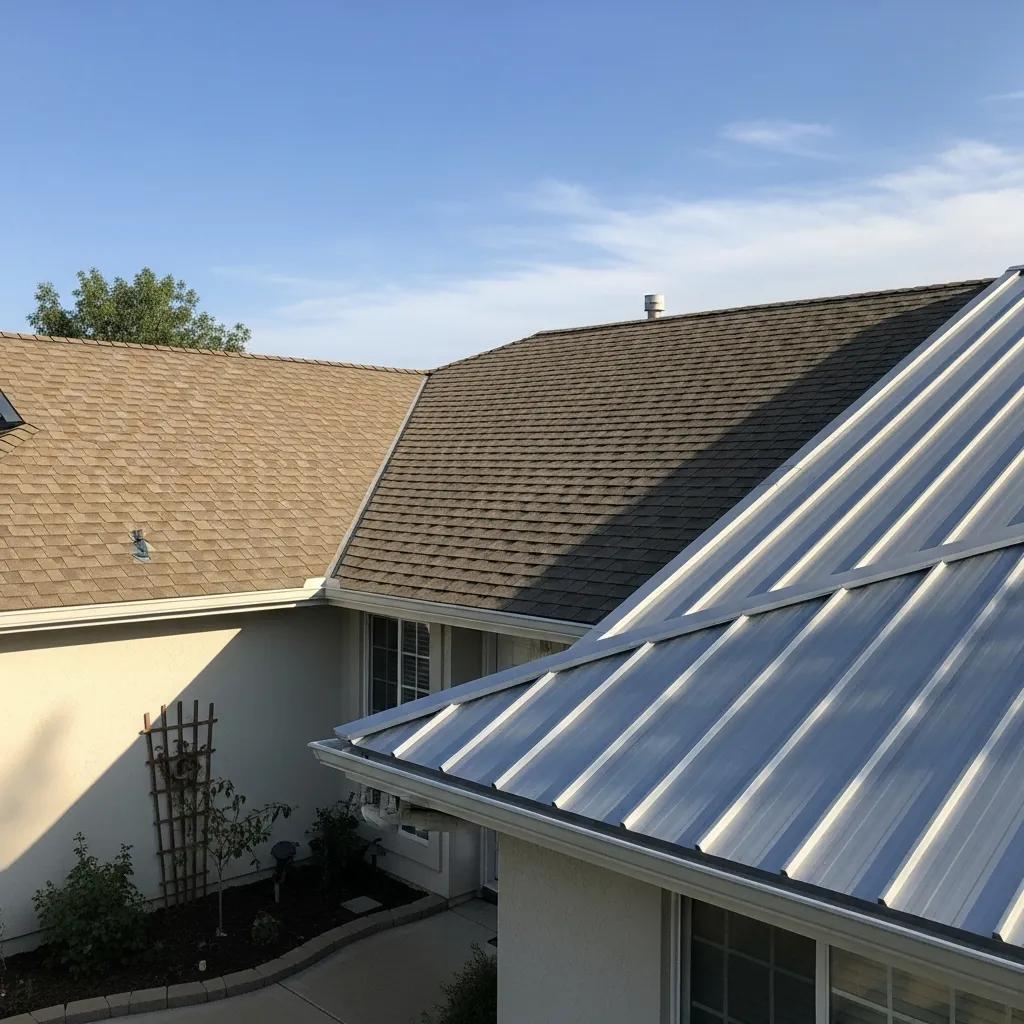
Visible damage is the easiest place to start. Regularly scan your roof and gutters for telltale signs: missing shingles, heavy granule loss, cracked or curling shingles, or a roofline that looks uneven. Catching these issues early helps avoid leaks and more costly structural repairs later.
How Do Missing, Curling, or Cracked Shingles Indicate Roof Damage?
Shingles protect the roof deck and keep water out. When shingles are missing, curled, or cracked, that protection is compromised. Curling often points to age, sun damage, or poor ventilation; cracks can let water through and start leaks. If you see these signs, note the extent and schedule a closer inspection.
What Does Granule Loss in Gutters Reveal About Shingle Condition?
Granules are the outer layer of asphalt shingles that shield against UV and weather. Finding lots of sand-like granules in your gutters or at the downspout means the shingles are wearing thin. That’s a reliable indicator that the roof is aging and may need repair or replacement soon.
Which Interior Indicators Signal Hidden Roof Problems?
Not all roof problems show up on the outside. Check inside your attic, ceilings, and upper walls for signs of trouble: water stains, damp insulation, mold, or rising energy bills. These can point to leaks, poor ventilation, or failing insulation — issues that harm comfort and the structure itself.
How Can Water Stains and Leaks in the Attic or Ceilings Reveal Roof Issues?
Stains, wet spots, or active drips in the attic or ceilings usually mean water is getting through the roof system. Common causes include damaged shingles, broken flashing, or failed seals around roof penetrations. Find the source quickly — prolonged moisture leads to rot and mold.
What Does Mold or High Energy Bills Suggest About Roof Health?

Mold often shows up where moisture is present for an extended time, which can mean a hidden leak or poor attic ventilation. Unexpectedly high heating or cooling costs can also point to gaps in the roof or attic insulation. Fixing these problems improves comfort and lowers utility bills.
How to Decide Between Roof Repair and Full Replacement?
Choosing repair or replacement depends on age, the scope of damage, and cost over time. Small, localized issues are often repairable. If damage is widespread or the roof is near the end of its expected life, replacement is usually the smarter long-term choice. We recommend a professional assessment to compare immediate repair costs against the value of a new roof.
Making the right call often means weighing risks and long-term outcomes—an approach supported by decision-making research.
Effective Decision-Making for Roof Maintenance
The paper describes a method for supporting decisions when outcomes are uncertain, showing how multiobjective approaches help weigh different risks and conditions in maintenance planning.
Effective decision-making tools for roofing maintenance management, Z Lounis, 1998
When Does Roof Age and Material Lifespan Dictate Replacement?
Material lifespan is a key factor. Asphalt shingles typically last 20–30 years; many metal roofs last 40–70 years with proper care. If your roof is near the expected lifespan and shows significant wear, replacement often saves money over repeated repairs. For guidance on full replacements, see our replacement services.
How to Evaluate Damage Extent and Cost-Effectiveness of Repair vs Replacement?
Compare the cost and frequency of repairs to the price and benefits of a new roof. Ask: Are problems isolated or widespread? Are repairs recurring? A professional inspection can give you an honest estimate and a clear cost comparison so you can choose the most practical option for your home.
For professional consultations regarding roof repair and replacement, Ryan Construction Systems Inc. offers experienced, local service. With over 35 years serving the Kansas City Metro Area, we help homeowners assess roofs and recommend the best solution.
What Are the Best Practices for Proactive Roof Maintenance and Inspection?
Routine care extends a roof’s life and prevents surprise expenses. Set a regular inspection schedule, keep gutters clean, ensure proper attic ventilation and insulation, and address small problems before they grow. When in doubt, call a licensed roofer for a professional check.
How to Perform a DIY Roof Inspection Checklist Safely?
Use these safe, practical steps to spot trouble early:
- Safety First: Use a sturdy ladder, non-slip shoes, and never work on a steep roof alone—call a pro if you’re unsure.
- Visual Inspection: From the ground and a safe vantage point, look for missing or damaged shingles, curled edges, and sagging areas.
- Check Flashing: Look around chimneys, vents, and skylights for gaps, rust, or cracked sealant.
- Gutter Inspection: Clear debris and check for granules or shingle fragments that indicate wear.
These simple checks help you spot issues before they become emergencies.
When Should You Call a Professional Roofer for Inspection or Repair?
Call a pro if you find active leaks, structural sagging, or large areas of missing or damaged shingles. Also schedule a professional inspection if your roof is near the end of its expected life or after severe storms. A qualified roofer will assess the problem, explain options, and provide a reliable estimate.
How Does Kansas City Weather Affect Your Roof and Repair Decisions?
Kansas City’s weather—hail, strong winds, temperature swings—affects roofing materials and repair timing. After storms, inspect your roof for impact or wind damage. Local climate also influences material choice and ventilation needs, so factor weather patterns into repair or replacement plans.
What Are the Signs of Hail and Wind Damage Specific to Kansas City?
Hail can bruise shingles, knock off granules, or dent metal roofing and gutters. Wind damage often shows as lifted or missing shingles, torn flashing, or exposed edges. If you suspect storm damage, document everything with photos and get a professional inspection promptly.
How to Navigate Local Roof Repair Costs and Insurance Claims?
Document damage with clear photos and notes, then contact your insurer to understand coverage. Get multiple quotes from reputable local contractors so you can compare scope and price. A trustworthy roofer can also help you navigate the claims process and provide the documentation insurers typically require.
Different roofing materials offer trade-offs in cost and longevity—choose what fits your budget and goals.
| Material Type | Lifespan | Average Cost per Square (100 sq ft) | Pros | Cons |
|---|---|---|---|---|
| Asphalt Shingles | 20-30 years | $100-$150 | Affordable and straightforward to install | Shorter lifespan and less durable than other options |
| Metal Roofing | 40-70 years | $150-$350 | Long-lasting and energy-efficient | Higher upfront cost; can be louder in heavy rain |
| Tile Roofing | 50+ years | $300-$600 | Very durable and fire-resistant | Heavy and requires reinforced support |
This comparison highlights the practical trade-offs when choosing materials based on budget and long-term goals.
In short, knowing what to look for and acting quickly protects your home and saves money. Regular inspections, local weather awareness, and timely professional help keep your roof doing its job year after year.
Frequently Asked Questions
What are the benefits of regular roof maintenance?
Regular maintenance extends roof life, prevents expensive repairs, improves energy efficiency, and keeps your home weather-tight. Small fixes now often prevent major work later, and a well-maintained roof helps maintain curb appeal and resale value.
How often should I inspect my roof?
Inspect your roof at least twice a year—spring and fall—and after major storms. Regular checks help you catch problems early before they become costly repairs.
What should I do if I find damage during an inspection?
Gauge the damage: small, isolated issues may be repairable; larger or multiple problem areas likely need professional attention. For any leak, structural concern, or safety risk, contact a licensed roofer for a full evaluation.
Can I perform roof repairs myself?
Minor tasks like clearing gutters or replacing an isolated shingle are possible for handy homeowners, but always prioritize safety. For work on steep roofs, large repairs, or anything affecting structural integrity, hire a professional to ensure the job meets local codes.
How does roof ventilation affect my roof’s lifespan?
Proper ventilation balances attic temperature and moisture, preventing premature aging of materials and reducing the risk of ice dams in winter. Good ventilation improves comfort and lowers energy costs while protecting roofing components.
What are the signs that I need to replace my roof rather than repair it?
Consider replacement if you see widespread shingle loss, persistent leaks, significant sagging, or if the roof is near its expected lifespan. Repeated repairs that add up in cost are also a strong sign it’s time for a new roof. A professional inspection will help you decide.
Conclusion
Keeping an eye on your roof and acting early protects your home and your budget. Look for visible damage, check the interior for leaks or mold, and know when to call a pro. If you want help assessing options, reach out to a local, experienced roofer who can give clear advice and reliable estimates.