


Top 5 Signs Your Wood Roof Needs Immediate Replacement for Lasting Protection in Kansas City
When a wood roof is past its prime, certain warning signs become hard to ignore — and they matter for both safety and long-term weather protection in Kansas City. This guide shows what those signs look like, why some problems require full replacement instead of spot repairs, and how local conditions like wind, hail, and seasonal moisture speed deterioration. You’ll get the top five visual and performance indicators, how biological growth accelerates decay, when interior issues and rising energy bills point to system failure, and a simple way to weigh repair vs. replacement based on cost and remaining life. Near the end of this introduction we briefly introduce Ryan Construction Systems Inc., a Kansas City Metro roofing specialist that offers free inspections and replacement estimates. Read on for clear inspection checklists, side-by-side comparisons of repair versus replacement, and step-by-step guidance for scheduling a professional evaluation to protect your home for years to come.
What Are the Most Common Signs of Wood Roof Damage That Require Replacement?
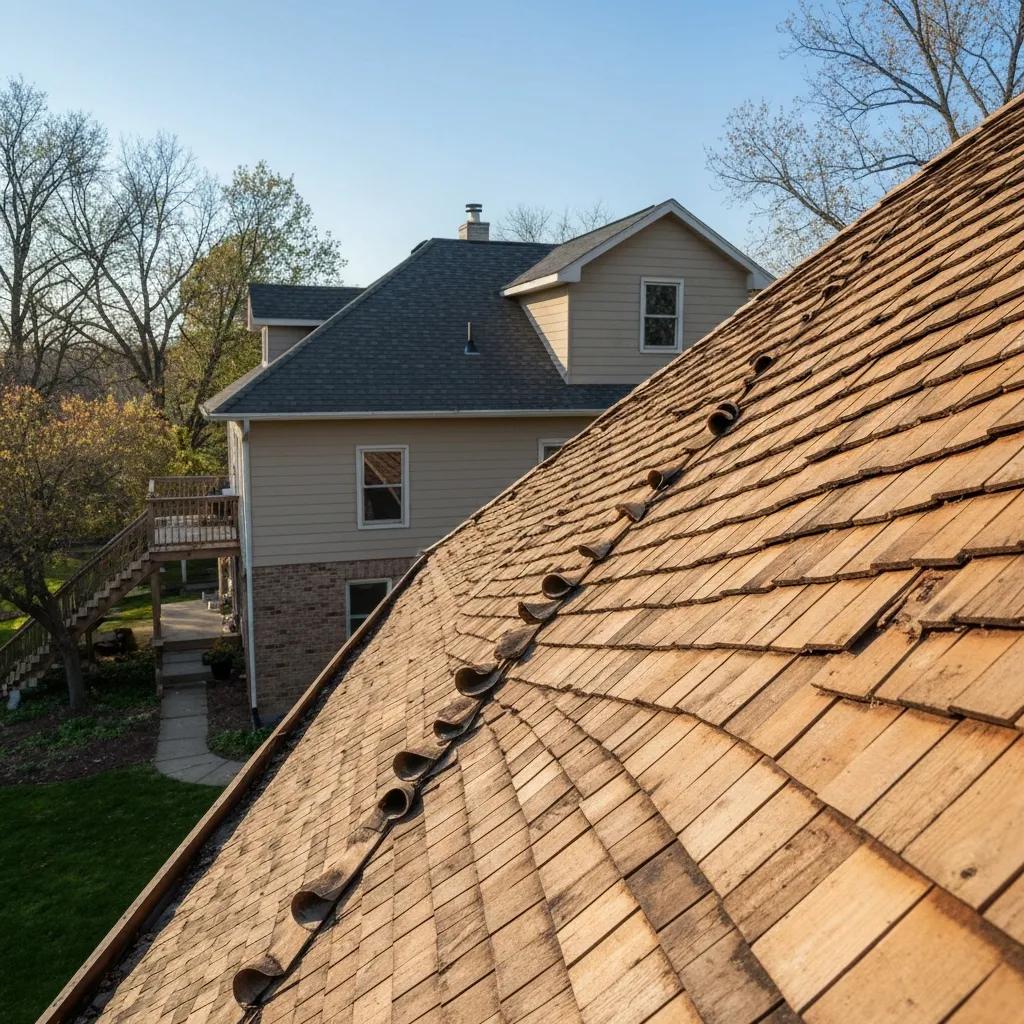
A failing wood roof sends a mix of visual, structural, and performance signals that together show the system can no longer protect the house reliably. The usual culprits are widespread wood rot, severe curling or splitting shakes, many missing shingles, persistent biological growth, and interior leaks or unexplained energy increases. Each of these usually points to progressive system failure, not an isolated problem. Below is a quick list of the top five signs so homeowners can spot urgency during a visual check and know what to do next. The sections that follow explain how rot and shake deformities weaken a roof and why those patterns often mean replacement is the best long-term choice.
The top five signs that typically call for replacement are:
- Extensive wood rot and decay visible in multiple roof areas.
- Widespread curling, cupping, or splitting of shakes across the roof.
- Many missing or broken shingles exposing underlayment and decking.
- Heavy moss, algae, or fungal growth that holds moisture.
- Interior water stains, active attic leaks, or sudden energy bill spikes.
These five indicators are red flags for long-term protection. The next sections show how rot and deformation specifically erode a wood roof’s structural strength and weatherproofing.
How Does Extensive Wood Rot and Decay Affect Your Wood Roof’s Integrity?
Wood rot starts where moisture and poor ventilation linger — typically in valleys, at eaves, and around flashings — and it steadily weakens both shakes and the roof deck. Rot shows up as soft spots, darkened wood, and crumbling material that won’t hold fasteners, which speeds up shake loss and enlarges exposed areas. As decking and fasteners fail, the roof can’t carry loads or resist wind uplift, increasing the chance of interior water intrusion and damage to framing. Knowing how rot progresses helps homeowners see that beyond surface decay, the assembly can reach a failure point where replacement is the practical solution. The following subsection contrasts rot with common deformation types.
Persistent moisture and poor ventilation are common drivers of wood decay, which can seriously weaken shakes and the underlying roof decking.
Dry Rot and Wood-Destroying Fungi in Roofs
Brown rot darkens wood and robs it of strength. Fungi that cause this decay need moisture to thrive, so wood roofs exposed to damp conditions become vulnerable to dry rot and other wood-destroying organisms. Over time, these fungi can weaken structural elements, which leads to curling, splitting, and eventual roof failure.
What Are the Differences Between Curling, Cupping, and Splitting Shakes?
Curling, cupping, and splitting are different kinds of physical failure that each signal a compromised weather barrier and reduced overlap between shakes. Curling lifts the edges from moisture cycles and UV exposure; cupping creates a concave warp that reduces water shedding; and splitting opens cracks that let water through. These defects come from age, sun damage, moisture imbalance, or failing fasteners. When any of these patterns are widespread, the roof’s shingle-to-shingle seal is compromised. A few curled shakes can be patched, but pervasive curling, cupping, or splitting usually means a replacement is needed for reliable, long-term protection.
Warping or cupping often precedes cracking and can be an early sign of more serious deterioration that affects roof performance.
Cupping and Warping: Signs of Wood Roof Deterioration
Warped or cupped shingles commonly precede cracking, whether or not the roof sees foot traffic. Moisture and biological growth can make the problem worse, leading to a compromised roof structure that needs prompt attention to avoid further damage and protect long-term performance.
How Can Missing or Damaged Shingles Signal the Need for Immediate Roof Replacement?

Missing or badly damaged shingles create direct paths for water, wind uplift, and debris to enter the roof system, turning local damage into system-wide failure if not fixed. When several adjacent shakes are gone, the underlayment and decking are exposed to accelerated moisture cycles that promote rot and reduce structural performance. Inspectors look for patterns — repeated loss in the same area, large swaths of missing material, or lifted edges along ridges — because those suggest the roof’s overall integrity is compromised. The next paragraphs explain how these gaps lead to interior damage and how Kansas City weather can turn minor issues into major failures during storm season.
Why Do Missing Shingles Increase the Risk of Water Leaks and Structural Damage?
Gaps from missing shingles remove the protective layers that keep water away from underlayment and decking, creating direct channels for moisture to reach attic spaces and structural members. Inside the home that shows up as ceiling stains, wet insulation that loses insulating value, and possible mold growth that affects indoor air quality. Inspectors recommend homeowners check attics for daylight, damp insulation, or active drips as early signs of failing coverage. When interior indicators appear alongside visible exterior loss, replacement is often the most dependable fix — patching isolated shakes rarely restores full waterproofing over time.
A leak is clear evidence of damage or deterioration, and often indicates the wood shingles or shakes are failing to protect the home.
Wood Shingle Roof Deterioration and Leaks
Leaks typically point to damage or overall deterioration. If moisture conditions support wood-rotting organisms, shingles and shakes can decay, leading to curling, splitting, or brittleness that undermines the roof’s protective function.
How Does Kansas City Weather Exacerbate Damage from Missing or Broken Shingles?
Kansas City’s seasonal storms, occasional hail, and strong winds speed the failure of exposed underlayment and weakened fasteners once shingles are missing or broken. Wind uplift can rip off neighboring shakes from a partially intact roof, while hail can erode surfaces and create micro-cracks that worsen moisture entry. Homeowners should schedule inspections after major storms because a few missing shakes can quickly grow into a much larger problem during the next weather event. Recognizing seasonal risk helps explain why timely replacement after widespread shingle loss is a sound investment in lasting protection.
What Role Do Moss, Algae, and Fungi Growth Play in Wood Roof Deterioration?

Biological growth on a wood roof is more than an eyesore: moss, algae, and fungi create a moisture-trapping environment that accelerates decay and weakens both the surface shakes and the materials underneath. Moss acts like a sponge, holding water for long periods; algae and fungi colonize wood fibers and speed rot. It’s important to tell surface staining apart from invasive growth — light algae can often be cleaned, but thick moss combined with soft shakes usually points to deeper deterioration that calls for replacement. The following subsections explain how trapped moisture works and when cleaning is enough versus when replacement is the safer choice.
How Does Moss and Algae Trap Moisture and Accelerate Wood Decay?
Moss forms dense mats that collect water and shade the wood, preventing evaporation and creating ideal conditions for fungi that digest wood cellulose. Algae darken shakes and form slimy films that hold moisture, while fungi actively break down wood fibers and reduce fastener holding capacity and surface strength. Over time, these effects reduce a roof’s ability to shed water and allow rot to reach the deck and structural members. Because moisture retention speeds decay, persistent growth in shaded valleys or north-facing slopes deserves close attention and often leads to replacement when combined with other failure signs.
When Is Moss Growth a Cosmetic Issue Versus a Serious Roof Problem?
Moss limited to a few patches or light staining on otherwise secure shakes is often cosmetic and can usually be managed with careful cleaning and improved ventilation. By contrast, dense coverage across slopes, repeated regrowth after cleaning, or moss paired with soft shakes signals structural risk. Factors that push a recommendation toward replacement include: moss covering large roof areas, recurring infestations despite treatment, visible rot under growth, and interior moisture indicators. Homeowners should use these criteria during an inspection because recurrent growth or underlying decay greatly increases the urgency for full roof replacement.
| Biological Growth Type | What It Retains or Damages | Urgency Level | |||
|---|---|---|---|---|---|
| Moss | Holds moisture against wood, shades surface, fosters fungal growth | High | |||
| Algae | Creates moisture-retaining films and aesthetic staining | Medium | Fungi | Breaks down wood fibers, accelerates structural decay | High |
This table clarifies how different organisms affect roof longevity and why some growths require prompt action. The next section ties biological deterioration to measurable homeowner impacts like energy loss and interior leaks.
How Do Increased Energy Bills and Interior Leaks Indicate a Failing Wood Roof?
A compromised wood roof can weaken the home’s thermal envelope and allow air and moisture infiltration, which raises heating and cooling loads and shows up as higher energy bills. Wet insulation loses R-value and stops insulating effectively, while gaps in the roof let conditioned air escape and outside air enter, forcing your HVAC system to work harder. Interior signs — stains, peeling paint, musty odors, or visible mold — typically point to active or long-term leaks and show that the roof is no longer doing its job. The next subsections explain how thermal performance degrades and what interior clues homeowners should watch for to trigger a professional evaluation.
Why Does Roof Deterioration Lead to Poor Insulation and Higher Energy Costs?
When roofing assemblies are compromised, warm or cool air finds its way through gaps and wet insulation, lowering the attic floor’s effective R-value and increasing energy use to maintain comfort. Air leakage behaves like holes in a thermal blanket, allowing thermal bridging that cancels insulation performance and lengthens HVAC runtime. Over time, wet insulation, poor ventilation, and increased infiltration create sustained energy penalties that show up on monthly bills. Spotting these patterns helps homeowners justify replacement that restores envelope continuity and reduces operating costs over the long run.
What Interior Signs Should Homeowners Watch For That Indicate Roof Leaks?
Interior signs that need prompt attention include ceiling stains that grow after rain, bubbling or peeling paint, persistent musty odors, and visible mold on ceilings or walls — all clear indicators of ongoing water intrusion. In the attic, check for damp or compressed insulation, daylight showing through the roof deck, and active drips around rafters or plumbing and duct penetrations. Homeowners can perform a basic seasonal attic check and document findings with photos to help contractors assess severity and scope. Early detection of these interior signs speeds the decision between repair and replacement, which the next section covers.
Homeowner attic checklist for leak detection:
- Inspect insulation for dampness or compaction.
- Look for daylight shining through the roof deck from the attic.
- Check rafters and roof sheathing for stains or soft spots.
- Note any musty odors or visible mold growth.
- Photograph findings to share with your contractor.
These simple checks give clear evidence of active leaks and help determine whether a localized repair will do or a full replacement is necessary.
When Is It More Cost-Effective to Replace Rather Than Repair a Wood Shake Roof?
Deciding between repair and replacement comes down to remaining lifespan, percent of damage, frequency of recurring issues, maintenance needs, and long-term cost compared to options like synthetic shakes. Replacement usually becomes more economical when the roof is near the end of its expected life, when damage affects a large portion of the roof (commonly 30–40% or more), or when leaks and patches keep coming back — signs that repairs only postpone inevitable replacement. Synthetic alternatives often bring better fire ratings, longer warranties, and lower maintenance, which can improve lifecycle ROI despite higher upfront cost. The following subsections list typical lifespans and maintenance ranges and compare synthetic options to help homeowners make an informed investment decision, followed by a decision table.
| Option | Typical Upfront Cost Range | Expected Remaining Lifespan | Maintenance Frequency | Fire Rating / Warranty |
|---|---|---|---|---|
| Repair (spot) | Lower | Short (years) | High (frequent) | Same as original |
| Full Wood Replacement | Moderate | Moderate (years) | Moderate (periodic) | Wood: generally lower than synthetics |
| Synthetic Replacement | Higher | Long (decades) | Low (minimal) | Higher fire rating / longer warranty |
This comparison shows how switching to synthetic materials can reduce maintenance and improve protection over time. The next paragraphs break down typical wood shake lifespans and the ROI case for synthetic products.
What Are the Typical Lifespan and Maintenance Costs of Wood Shake Roofs?
Wood shake lifespans vary by species, exposure, and maintenance. To reach maximum service life they need periodic cleaning, resealing, and selective shake replacement. Regular tasks include moss removal, replacing broken shakes, and treating fungal growth — all of which add recurring cost and can become frequent on shaded or moist roofs. When maintenance expenses pile up and the roof shows multiple failure indicators — rot, deformation, and missing shakes — the effective remaining life shortens and replacement often becomes the better value. Homeowners should compare projected maintenance costs against replacement bids to determine the most economical path forward.
How Do Synthetic Shake Alternatives Offer Better Long-Term Protection and ROI?
Synthetic shake products offer greater durability, improved fire ratings, and longer warranties that lower long-term maintenance and replacement frequency, improving lifecycle ROI compared with wood. Many synthetics resist splitting, cupping, and biological growth and keep a consistent appearance with less upkeep. While the upfront cost is higher, reduced repair frequency and benefits such as better fire performance or transferable warranties can offset that initial expense over time. Evaluating total cost of ownership — upfront cost plus ongoing maintenance — helps homeowners see when synthetic replacement is a financially sensible choice.
How Can Homeowners Get a Professional Wood Roof Inspection and Replacement Estimate in Kansas City?
Scheduling a professional inspection gives an objective view of damage, remaining life, and recommended fixes. This section explains what a thorough inspection covers, what an estimate should include, and how homeowners can prepare. A complete inspection documents shakes, flashings, underlayment, decking soundness, attic moisture, ventilation, and includes photos that illustrate problems and recommended actions. Below is a practical checklist to prepare for an inspection and a table describing inspection items and pass/fail criteria so you know what to expect from a qualified contractor.
Homeowner steps to get a professional inspection and estimate:
- Document visible exterior damage and interior signs with photos.
- Note dates of recent storms or any leak events for reference.
- Schedule a licensed roofing inspection with a local contractor experienced in wood roofs.
- Request a written estimate with photos, scope, materials, timeline, and warranty options.
- Compare estimates and ask about materials and lifecycle costs.
These steps set clear expectations and lead into the inspection checklist table that clarifies what inspectors look for and what homeowners should expect as pass/fail criteria.
| Inspection Item | What the Inspector Checks | What Homeowner Should Expect / Pass Criteria |
|---|---|---|
| Shakes/Shingles | Coverage, deformation, splits, fastener integrity | Damage below threshold; secure fasteners |
| Flashings & Valleys | Corrosion, gaps, sealing | No exposed gaps; watertight seams |
| Underlayment & Deck | Soundness, soft spots, rot | No widespread soft spots; dry sheathing |
| Attic & Ventilation | Moisture, insulation condition, airflow | Dry insulation; balanced ventilation |
| Documentation | Photos, written findings, recommendations | Clear report with prioritized actions |
In addition to roofing services, Ryan Construction Systems Inc. provides full home remodeling to improve your property’s value and functionality. Their team handles interior and exterior projects so you can coordinate improvements efficiently.
This inspection checklist helps homeowners understand professional findings and compare estimates fairly. The next subsection explains why choosing a locally experienced contractor matters and how Ryan Construction Systems Inc. supports homeowners through the process.
What Should a Comprehensive Wood Roof Inspection Include?
A thorough inspection covers surface condition, flashing integrity, underlayment and deck soundness, attic moisture and insulation, ventilation effectiveness, and fastener performance, and it documents everything with photos and prioritized recommendations. Inspectors should deliver a written report that outlines severity, recommended repairs or replacement, material options (including synthetic alternatives), estimated timelines, and warranty details. A good contractor will explain the decision criteria — like percent damaged and presence of rot — that guide repair versus replacement recommendations. A transparent, documented estimate lets homeowners compare proposals based on lifecycle protection, not just price.
Why Choose Ryan Construction Systems Inc. for Wood Roof Replacement Services?
Ryan Construction Systems Inc. serves the Kansas City Metro Area as a local roofing and remodeling specialist focused on wood roof replacement and long-term protection. Relevant trust signals include GAF certification, Owens Corning preferred contractor designation, and an A+ rating with the Better Business Bureau — all indicators of industry standards and local credibility. For homeowners weighing options, Ryan Construction Systems Inc. offers free inspections and replacement estimates that include documented findings, material recommendations, and timeline and warranty discussions so you can make an informed decision. To move from inspection to protection, request a free inspection and estimate to evaluate your roof and explore replacement options built for long-term performance.
Why homeowners choose a local specialist for inspections:
- Local contractors understand how Kansas City’s climate affects wood roofs.
- Certified installers follow manufacturer specs that preserve warranties.
- Local documentation speeds insurance claims and maintenance planning.
These points show how a certified, local contractor supports both immediate assessment and long-term roof protection planning.
Frequently Asked Questions
What factors should I consider when deciding between repair and replacement of my wood roof?
Consider the extent of damage, the roof’s age, and how often repairs recur. If damage covers a large portion of the roof (commonly over 30–40%), or if the roof is near the end of its expected life, replacement is often more cost-effective. Also factor in long-term maintenance costs versus the benefits of a new roof, such as improved energy performance and warranty coverage. A professional inspection will give tailored advice for your specific situation.
How often should I have my wood roof inspected?
Have your wood roof inspected at least once a year and after severe weather like hail or high winds. Regular inspections help catch early signs — curling shakes, biological growth, or spot rot — before they become bigger problems. If you notice interior leaks or rising energy bills, schedule an inspection promptly. Proactive maintenance extends roof life and saves money over time.
What are the benefits of synthetic roofing materials compared to wood?
Synthetic roofing offers several advantages over wood: greater durability, lower maintenance, and improved fire resistance. Many synthetic products resist splitting, cupping, and biological growth and often come with longer warranties. While the initial cost may be higher, reduced repairs and maintenance can yield better long-term value and return on investment.
How can I prevent moss and algae growth on my wood roof?
To limit moss and algae, improve ventilation and sunlight exposure by trimming overhanging branches. Keep the roof clear of debris and consider installing zinc or copper ridge strips to inhibit growth — rain will wash off small amounts of metal that deter organisms. Regular cleaning and timely inspections help catch growth early before it becomes a serious issue.
What should I expect during a professional roof inspection?
During an inspection, the contractor will evaluate shingles, flashings, underlayment, and decking for signs like rot, curling, or missing material, and will check the attic for moisture. Expect photos and a written report that details the roof’s condition, recommended repairs or replacement, and estimated costs. This documented evaluation helps you make an informed decision about next steps.
How can I improve the energy efficiency of my wood roof?
Improve energy efficiency by ensuring proper attic insulation and ventilation, repairing leaks promptly, and keeping insulation dry and intact. Consider reflective materials or coatings if appropriate, and address any gaps that allow conditioned air to escape. Together, these steps reduce HVAC runtime and help prolong roof and attic system performance.
Conclusion
Knowing the signs that your wood roof needs immediate replacement protects your home from Kansas City’s unpredictable weather and prevents more costly damage later. By watching for extensive rot, missing shingles, persistent biological growth, and interior indicators like leaks or higher energy bills, you can make informed decisions that guard your home’s structure and comfort. Schedule a professional inspection with a trusted local contractor such as Ryan Construction Systems Inc. to get an objective assessment and a clear plan. Start today by requesting a free inspection and estimate — it’s the first step toward long-term protection.